A Lived - Experience Reflection
A Quiet Truth About Belonging
We talk a lot about inclusion in schools — and while it matters, belonging is something different.
Belonging is quiet.
Belonging is safety.
Belonging is knowing you don’t have to perform, impress, or prove yourself to be accepted.
For many students with disabilities, belonging is the piece that goes missing long before the transition to high school even begins.
Belonging begins long before a child walks into high school.

Some journeys into belonging begins long before the child enters the classroom.
Inclusion vs Belonging: They Are Not The Same
“Inclusion” has become a word we hear everywhere — in newsletters, on playgrounds, in school policies.
But sometimes inclusion feels more like a buzzword than a lived experience.
Seeing a student with a disability placed in a playground or classroom is often labelled inclusive.
But physical placement is not belonging.
Belonging is emotional.
It’s the feeling of safety, comfort, and confidence a child carries within themselves.
It’s acceptance that doesn’t need to be earned.
Both inclusion and belonging matter.
But society often prioritises visible inclusion and forgets the importance of felt belonging.
Belonging isn’t placement - it’s how a child feels.

Belonging grows when children feel safe enough to
understand who they are.
Looking for Belonging in Primary School
When I look back on my childhood, I realise I spent most of it searching for belonging.
At home, belonging was natural. I never questioned my place there.
But at primary school — even though many of my peers had similar disabilities — I didn’t feel like I fit.
Staff often talked openly about my limitations and my future as if I wasn’t there.
Children repeated what they heard.
Those moments shaped how I saw myself and what I believed I was worth.
Belonging can’t grow where children feel spoken about, not to.
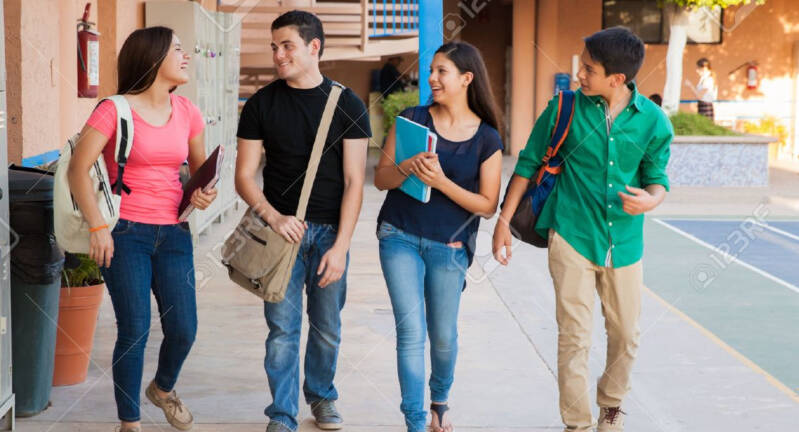
Belonging is created when peers choose to connection over assumption.

A simple warm welcome can change how a child feels about their entire day.
Hoping High School Would Be Different
When primary school ended, I felt relief.
I was excited to leave behind the label that had followed me for years.
High school felt like a chance to start again — new faces, new routines, new opportunities.
I imagined belonging waiting for me on the other side.
Sometimes children look forward to high school not for opportunity, but to escape.
What High School Actually Felt Like
But high school didn’t unfold the way I hoped.
If anything, I felt even more out of place.
The buddy system was meant to help me settle in, but it placed responsibility on peers that should have rested with the education system.
Some kids were kind and curious.
Others made no effort to help me feel comfortable.
Teachers cared deeply, but I could sense they weren’t always sure what to do around me.
Many of my peers didn’t know how to speak to me with empathy — not intentionally, but because no one had ever taught them how.
They said things that hurt.
Things they would never say to another student.
And the hardest part was that I had no familiar faces to back me up…
and no understanding of my own strengths to navigate those moments.
Lack of empathy can turn into isolation.
The Moments I Didn’t See Then
But something else was happening too — something I couldn’t recognise at the time.
A few of those same peers began inviting me out.
At first, I assumed it was out of responsibility.
It didn’t occur to me that they might actually want me there.
But they didn’t have to include me.
They didn’t have to reach out.
They didn’t have to make space for me.
I was so jaded by my early experiences that I couldn’t see it —
but looking back now, I can.
Sometimes belonging grows quietly - long before a child realises it is happening.

Inclusion places a child in a room. Belonging invites them in.
What Belonging Really Is
Belonging is not independence.
It is not fitting in.
It is not being “in the room” or being “easy” to support.
Belonging is:
- Being understood
- Being valued
- Being seen before you’re judged
- Feeling emotionally safe
- Knowing your strengths are recognised
- Feeling accepted without having to perform
Belonging shapes identity.
It shapes confidence.
It shapes how a child moves through the world.
Belonging is knowing you don’t have to change to be accepted.

Belonging grows faster when support feels safe, not conditional.
The Everyday Moments When Belonging Lives
Belonging doesn’t come from big gestures.
It’s created in moments:
- A teacher calling a child by name
- A peer making room at the table
- Someone choosing the child, not the role
- Being included without being accommodated
- A simple invitation
- A sense of “you matter here”
Belonging is emotional safety wrapped in everyday interactions.
Children shouldn’t have to perform belonging - they should feel it.
Why Belonging Matters in the Transition to Year 7
The move to high school brings one of the biggest identity shifts of a child’s life.
For students with disabilities, this shift can strengthen or shatter their sense of who they are.
When belonging is missing, students feel:
- more pressure
- more self-consciousness
- more fear of judgement
- more emotional exhaustion
But when belonging is present, students feel:
- confident
- connected
- capable
- safe
- seen
Belonging becomes the foundation that everything else is built upon.
Confidence grows where belonging exists.
The Barriers Schools Don’t Always See
Students with disabilities face barriers to belonging that others never notice:
- Low expectations
- Being spoken about, not spoken to
- Punitive independence expectations
- Peers lacking empathy
- Teachers afraid of “special treatment”
- Invisible social rules
- Sensory overwhelm
- Being celebrated only as “inspirations”
- Identity shaped through deficits, not strengths
These are not minor obstacles.
They shape identity
Belonging breaks when empathy is missing.

Belonging is built through moments, not milestones.
How Families Build Belonging at Home
Families lay the foundation for every child’s sense of belonging.
Simple things help:
• Naming strengths out loud
• Talking openly about friendships
• Creating safe routines
• Protecting emotional needs
• Celebrating uniqueness
• Advocating without apology
Belonging starts with one safe relationship.

The transition is more than a change of blindings - it’s a change of identity
A Gentle Reminder
Belonging isn’t a “bonus.”
It’s the foundation of identity, confidence, and resilience.
Every student deserves to feel seen.
Every student deserves to feel understood.
Every student deserves to belong — not because they’ve earned it,
but because they’re human.
Belonging shouldn’t be rare - it should be the baseline.
How Teachers Create Belonging at School
Teachers play one of the strongest roles in belonging.
They can:
- Welcome students warmly
- Speak strengths aloud
- Provide meaningful roles
- Repair relationships quickly
- Reduce comparison
- Prioritise safety over independence
- Allow different ways of learning
- Lead with empathy and curiosity
Small actions create lasting belonging.
Belonging grows faster when teachers lead with heart.
Closing Message
When I look back on my own school years, belonging is what I needed most.
And it’s what every child with a disability deserves as they step toward high school.
A place to land.
A sense of safety.
A community who accepts them — exactly as they are.
If you want more reflections like this, you can join me on Instagram and explore our free resources inside the Inclusion Library.
Every child deserves a place where they truly belong.

Belonging starts at home, in the safety o being fully understood.
Add comment
Comments