January Is a Season of Transitions, Not a Reset
January comes with a lot of change, often all at once.
For many children with disabilities, it isn’t just the start of a new year — it’s a rapid series of transitions layered on top of one another. The school year ends. Christmas arrives. Routines dissolve. Family gatherings come and go. A new year begins. And almost immediately, attention shifts to planning for school, setting goals, and preparing for what’s next.
That is a huge emotional shift - one that goes unrecognised.
For children, it can feel like moving through several endings and beginnings without enough time to settle in between. And yet, adults often expect them to keep up — emotionally, socially, and academically — as though these changes don’t leave a mark.
Not every transition announces itself - some accumulate quietly

After the celebrations end, the quiet feels louder than expected.
When Preparation Turns into Pressure
These transition periods matter. Parents and educators are thinking ahead — preparing for children’s futures, setting goals, planning supports. And goals can be beneficial. They can provide direction and help students with disabilities build skills over time.
But expectations are different from goals.
Goals point the way forward.
Expectations demands arrival.
When expectations arrive too quickly, they can add pressure rather than support. Children may feel as though they are constantly being measured against timelines they didn’t choose and may not yet be ready for.
What is meant to help can begin to feel heavy.
,
Goals offer direction. Expectations demands speed.

Directions matters. So does pace.
When Adult Fear Gets Projected Onto the Child
Transitions are not only hard for children — they’re hard for adults too.
When uncertainty rises, fear often follows. Fear about independence. Fear about coping. Fear about the future and what might happen if progress doesn’t come fast enough.
Those fears are understandable.
But they don’t belong to the child.
When adult anxiety gets projected onto children, readiness becomes something to prove rather than something to feel. Struggle is interpreted as failure. Time is mistaken for delay.
I know this personally.
It took me time to understand certain concepts at school. I needed repetition, patience, and support. Instead of that being recognised as part of my learning process, teaching staff were outspoken in their belief that I didn’t have a bright future.
That belief wasn’t based on who I was — it was based on fear and assumption.
Transitions are not only hard for children — they’re hard for adults too.
When uncertainty rises, fear often follows. Fear about independence. Fear about coping. Fear about the future and what might happen if progress doesn’t come fast enough.
Those fears are understandable.
But they don’t belong to the child.
When adult anxiety gets projected onto children, readiness becomes something to prove rather than something to feel. Struggle is interpreted as failure. Time is mistaken for delay.
I know this personally.
It took me time to understand certain concepts at school. I needed repetition, patience, and support. Instead of that being recognised as part of my learning process, teaching staff were outspoken about the belief that I didn’t have a bright future.
That belief wasn’t based on who I was — it was based on fear and assumption.
Transitions are not only hard for children — they’re hard for adults too.
When uncertainty rises, fear often follows. Fear about independence. Fear about coping. Fear about the future and what might happen if progress doesn’t come fast enough.
Those fears are understandable.
But they don’t belong to the child.
When adult anxiety gets projected onto children, readiness becomes something to prove rather than something to feel. Struggle is interpreted as failure. Time is mistaken for delay.
I know this personally.
It took me time to understand certain concepts at school. I needed repetition, patience, and support. Instead of that being recognised as part of my learning process, teaching staff were outspoken about the belief that I didn’t have a bright future.
That belief wasn’t based on who I was — it was based on fear and assumption.
Transitions are not only hard for children — they’re hard for adults too.
When uncertainty rises, fear often follows. Fear about independence. Fear about coping. Fear about the future and what might happen if progress doesn’t come fast enough.
Those fears are understandable.
But they don’t belong to the child.
When adult anxiety gets projected onto children, readiness becomes something to prove rather than something to feel. Struggle is interpreted as failure. Time is mistaken for delay.
I know this personally.
It took me time to understand certain concepts at school. I needed repetition, patience, and support. Instead of that being recognised as part of my learning process, teaching staff were outspoken about the belief that I didn’t have a bright future.
That belief wasn’t based on who I was — it was based on fear and assumption.
Fear about the future can drown out the child in the
present.
Why Transitions Take Longer for Children with Disabilities
Transitions often take longer for children with disabilities — not because they are incapable, but because adjustment takes time.
Time to feel comfortable.
Time to rebuild familiarity.
Time to trust new environments.
Time to feel supported — and to belong, not just be included.
Belonging doesn’t reset because the calendar changes. Safety doesn’t automatically return when routines resume. These things need space to re-settle.
And yet, January rarely allows for that space.
Belonging doesn’t operate on a schedule.
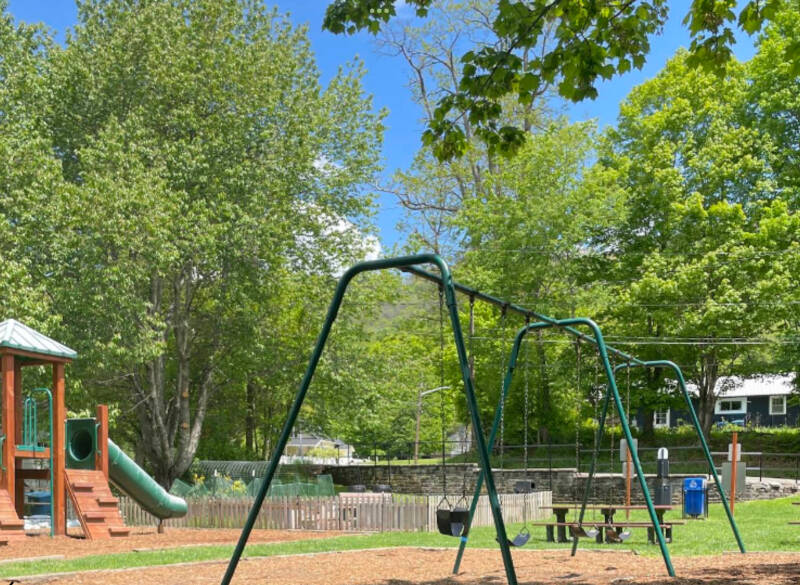
Belonging doesn’t arrive the moment routines arrives.
What Readiness Actually Looks Like
Readiness isn’t loud.
It isn’t linear.
And it can’t be forced.
Readiness often shows up quietly:
- when curiosity returns
- when tolerance increases
- when connection feels easier
- when regulation comes before compliance
These signs don’t arrive on demand. They appear when children feel safe enough to engage.
For many children with disabilities, readiness follows safety — not the other way around.
Readiness arrives when safety is steady.

Sometimes what we’re responding to isn’t the moment - it’s the future we’re afraid of.

Readiness isn’t a deadline.
Closing Reflection
Readiness isn’t a deadline to meet.
It’s something children arrive at when they feel safe enough to do so.
Time is not the enemy.
Urgency is.
And children don’t need to carry adult fear while they’re still learning how to belong.
The future doesn’t need to be rushed - it needs to be trusted.
A Reflection for Parents and Educators
Adults are allowed to worry about children’s futures.
It’s normal to think ahead. To imagine adulthood. To wonder what support will look like later on. Those thoughts come from care, not failure.
But children — especially children with disabilities — already feel different from their peers.
They notice the comparisons.
They feel the gaps.
They carry the awareness of being “other” long before anyone explains it to them.
They don’t need adult worries layered on top of that.
Children need adults who can hold concern without projecting it. Adults who can think about the future while staying grounded in the present. Adults who understand that safety, belonging, and time are not obstacles to progress — they are what make progress possible.
Children don’t need reassurance about the future - they need safety now.
Add comment
Comments