Discipline can teach responsibility - or it can teach a child to disappear.

Some days the weight starts before the lesson does.
When Discipline Replaces Understanding
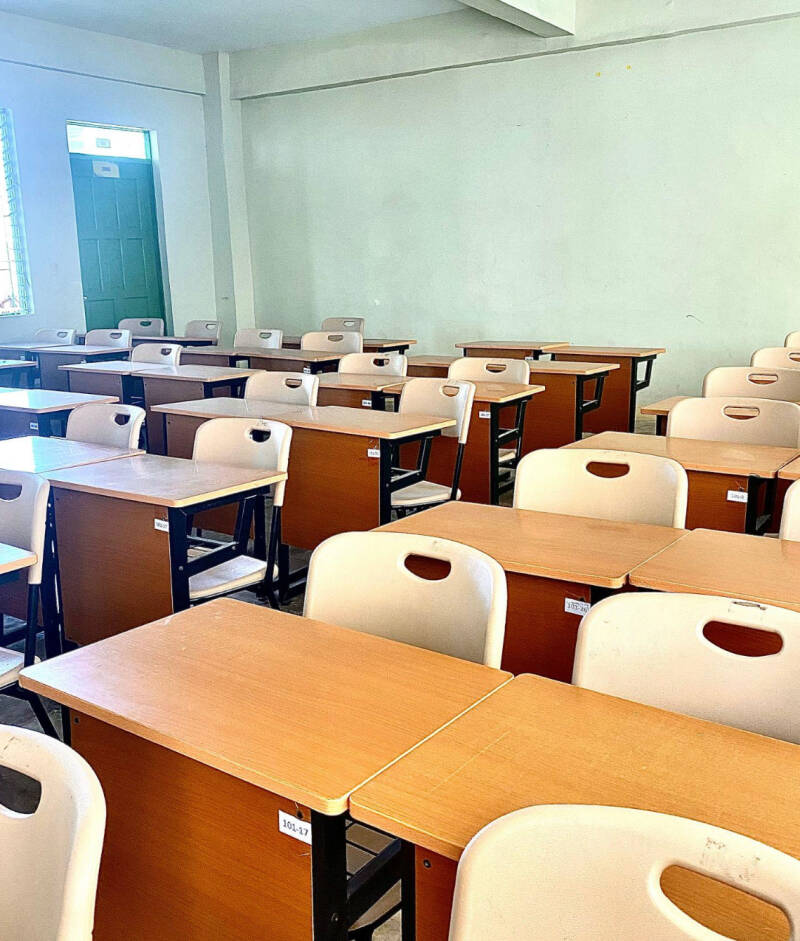
When I was in primary school, I knew exactly where I stood the moment I entered the classroom.
I could feel it in where I sat.
In who was watched closely.
In how quickly my behaviour was interpreted as “too much.”
Some mornings, the emotional weight built so quickly that I couldn’t hold it in.
I melted down.
But those moments weren’t met with empathy or curiosity.
They weren’t met with questions like “What’s happening for you?”
They were met with discipline.
I was isolated from my peers.
Left alone to “calm down.”
Watched. Stared at.
By the time I regulated myself, the lesson wasn’t responsibility — it was shame.
Control looks like order but it often creates fear.

Dignity sounds like staying close, not sending them away.
Discipline Without Dignity Teaches Silence
Children with disabilities are often disciplined for behaviours they don’t yet have the capacity to control.
Meltdowns are treated as misbehaviour.
Overwhelm is treated as defiance.
Shutdowns are treated as avoidance.
When discipline is applied during distress, children learn something quietly but deeply:
My feelings make things worse.
So they stop expressing them.
They hold everything in.
They wait.
And eventually, those feelings come out — usually in places that feel safer, like home.
This is why so many children are described as
“fine at school but falling apart at home.”
When dignity is missing, behaviour becomes quieter — not healthier

By high school, many children learn not to be seen.
When Behaviour is Managed Instead of Understood
Discipline is often framed as the opposite of compassion — especially when we talk about children with disabilities.
But discipline itself isn’t the problem.
The problem is when discipline is used during distress, and dignity quietly disappears.
Discipline, when done well, offers structure, safety, and guidance.
When done poorly, it teaches children that their emotions are inconvenient — and that being seen comes with consequences.
Discipline should guide growth — not control behaviour.

Isolation teaches silence — not regulation.
What I Learned When Regulation Wasn’t Supported
I didn’t learn how to manage my emotions in those moments.
I learned how to hide them.
By the time I reached high school, I no longer felt safe expressing distress at school.
On my first day, I did have a meltdown. I recovered quickly — but I didn’t make it through the full day.
The effort of acting like I was fine — of holding everything together — left me emotionally exhausted.
After that, adults described me as mature.
But I wasn’t regulated.
I was masking.
Compliance is not the same as emotional regulation.
Children remember where they were from.
Discipline Can Exist with Dignity
Children — including children with disabilities — do need discipline.
They need boundaries.
They need structure.
They need expectations that help them grow.
But discipline must come after regulation, not during crisis.
Dignity means:
- not disciplining a child while they are overwhelmed
- not isolating them to “teach a lesson”
- not confusing distress with disrespect
Dignity means recognising that behaviour is communication — not a moral failure.
Regulation comes before responsibility.

Boundaries don’t have to break connection.
What I Wish Adults Had Known
I didn’t need less discipline.
I needed better timing.
I needed adults who understood that:
- meltdowns aren’t choices
- safety comes before correction
- discipline without dignity teaches fear, not skills
If someone had sat beside me instead of sending me away…
If someone had helped me regulate before correcting me…
I might have learned confidence instead of compliance.
Children learn when they feel safe — not watched

This isn’t theory. It’s lived.
Closing Reflection
It’s okay to want children to learn responsibility.
It’s okay to hold boundaries.
It’s okay to expect growth.
But children with disabilities already carry the weight of being different — and they don’t need discipline that strips them of dignity. They need guidance that protects it.
Discipline works best after regulation, not during overwhelm. Because the goal isn’t perfect behaviour — it’s safety, learning, and trust.
If you want something practical to support this, I’ve just added a new tool to the email list: “Discipline vs Dignity — Boundaries without shame.” It helps you decide the moment (meltdown vs boundary), slow your pace before you speak, and use simple scripts that hold the limit while protecting dignity.
Click here to join the email list.
Discipline should never cost a child their sense of worth.
DiscIpline should shape behaviour — not identity.
Add comment
Comments