The Inclusion Library
Practical tools for when inclusion feels heavy.
Start small. Protect safety. Build belonging.
These tools are designed to help parents and educators slow down, protect nervous system safety, and move forward with clarity — without overwhelm.
Reflection & Decision-Making
Pause. Short tools for slowing down, thinking clearly, and choosing supportive next steps.
These quick reflection tools help adults pause before reacting, separate urgency from fear, and make decisions that protect emotional safety while supporting growth.

Concern vs Urgency
A 5-minute reset when care starts turning into pressure.
When we care about a child, it can be easy for concern to become urgency.
This tool helps adults pause, notice their tone, and choose a calmer next step before pressure takes over.
Best used when: support starts to feel rushed, tense, or driven by “we need to fix this now.”

Future-Fear Filter
A 60-second pause before urgency takes over .
When support starts to feel urgent, it is sometimes fear about the future driving the moment.
This reflection tool helps adults separate what is happening today from catastrophic thinking about tomorrow — so expectations can be approached with more clarity, safety, and calm.
Best used when: worries about progress, independence, behaviour, or “falling behind” are increasing pressure.

Is This Readiness… or a Need for Safety?
A 5-minute pause before raising expectations.
Sometimes what looks like resistance, avoidance, or “not ready” is actually a nervous system asking for safety first.
This reflection tool helps adults pause, assess regulation, and decide whether the moment needs support, recovery, or a softer pathway before expectations are increased.
Best used when: a child seems overwhelmed, emotionally reactive, shut down, or unable to access an expectation that usually feels manageable.

Micro-Scripts for Hard Moments
Short phrases that protect safety without dropping expectations.
When emotions are high, language matters.
This tool provides simple scripts for parents and educators that reduce pressure, protect dignity, and help keep connection intact during difficult moments.
It is designed to support calm communication without removing boundaries or expectations.
Best used when: emotions are rising, a child is overwhelmed, or a conversation feels like it may escalate.

Capacity Check
When capacity changes, support should too.
A practical reflection tool that helps parents and educators recognise the difference between a child who can’t right now and a child who won’t.
Rather than assuming behaviour reflects motivation, this resource encourages adults to consider regulation, fatigue, stress, pain, and cognitive load before increasing expectations. It provides a simple framework for responding in ways that protect dignity while supporting growth.
Best used when: a child seems inconsistent, overwhelmed, tired, or unable to meet expectations that they usually can.

Encouragement or Pressure?
Helping children grow without feeling like they have to prove themselves.
Encouragement should build confidence, not increase pressure. This reflection tool helps parents and educators recognise the difference between supporting a child to try and expecting them to push beyond their current capacity.
Through practical reflection prompts, comparison guides, and alternative phrases, it encourages adults to respond in ways that protect confidence, dignity, and emotional safety while still supporting growth.
Best used when: encouraging a child through a challenge, setting expectations, or wondering whether motivation is becoming pressure.
Encouragement or Pressure?
Helping children grow without feeling like they have to prove themselves.
Encouragement should build confidence, not increase pressure. This reflection tool helps parents and educators recognise the difference between supporting a child to try and expecting them to push beyond their current capacity.
Through practical reflection prompts, comparison guides, and alternative phrases, it encourages adults to respond in ways that protect confidence, dignity, and emotional safety while still supporting growth.
Best used when: encouraging a child through a challenge, setting expectations, or wondering whether motivation is becoming pressure.
Explaining Disability with Dignity
Awareness should never come at the expense of dignity.
Talking about disability can help build understanding, but the way those conversations happen matters. This two-page reflection tool helps adults consider whether information really needs to be shared, whether the child has agreed, and whether the explanation can be made more general and less exposing.
It also includes examples of more exposing vs more protective language, helping parents and educators shift away from singling out one child and towards language that supports inclusion, privacy, and belonging.
Best used when: preparing to talk about disability, explaining adjustments or support needs, responding to peer questions, or planning classroom awareness conversations.
Transition Mini Series
Supporting students as they move into high school with greater confidence, familiarity and belonging.
The transition to high school is about more than timetables and classrooms. These resources help parents and educators prepare for the social, emotional, and practical changes that come with becoming part of a new school community.

Strength Snapshot
Helping students bring identity into high school.
This reflection tool helps students identify the supports, environments, and routines that make their strengths easier to access.
Instead of focusing first on deficits or challenges, it centres safety, identity, and the conditions that help students participate with more confidence.
It supports transition planning by helping adults notice not just what a student can do — but what helps those strengths show up.
Best used when: preparing for high school transition meetings, support planning, or the beginning of a new school year.

Familiar Faces
Helping students feel socially safe in high school
Based on helping students identify the people, places, and routines that already feel familiar as they move into a new environment.
This practical transition tool helps students recognise the familiar faces, safe spaces, and predictable routines that can make high school feel less overwhelming.
Rather than focusing on confidence as something students either have or do not have, it helps build confidence through familiarity, small plans, and social safety. The resource includes reflection activities, a personalised Familiar Faces Plan, and a Confidence Ladder to support gradual transition preparation.
Best used when: preparing for orientation, supporting high school transition, or helping students identify safe people and places before school begins.

Beyond the School Gate
Because belonging doesn’t stop at 3pm
School is only one place where children build confidence, connection, and belonging. This three-page reflection tool helps families notice the places, people, and routines beyond school that help a child feel known and accepted.
Rather than focusing on doing more, it encourages small, meaningful opportunities for belonging—whether through family, community, hobbies, culture, sport, or one trusted relationship. It includes practical reflection activities and planning pages to help families identify existing strengths and build one safe next step.
Best used when: supporting school transition, after-school regulation, or helping children strengthen confidence and connection beyond the classroom.

First Weeks Survival Guide
Helping students settle into high school without expecting everything to feel easy straight away.
The first weeks of high school can bring new routines, unfamiliar people, social pressure, fatigue, and a constant need to adjust. This guide helps students, families, and educators focus on what makes those early weeks feel more manageable.
It supports practical planning around predictability, safe people, difficult parts of the day, recovery after school, and the small adjustments that can reduce overwhelm while confidence is still growing.
Best used when: preparing for the first weeks of high school, reviewing how transition is going, or identifying what needs to change before pressure builds.

Letting Connection Happen
Supporting friendships without judgement
Friendships do not always grow in clear, predictable ways. They can be quiet, inconsistent, awkward, and still meaningful.
This reflection tool helps parents and educators decide when to step back, when to offer gentle support, and when intervention is truly needed. It encourages adults to look for safety, mutual choice, comfort, and genuine connection rather than trying to make every friendship look a certain way.
Best used when: adults are unsure whether a developing friendship needs support, more space, or protection from harm.

Discipline vs Dignity
Boundaries without shame
Setting boundaries does not require embarrassment, escalation, or emotional withdrawal.
This two-page tool helps adults pause, decide the moment, and hold expectations in a way that protects a child’s dignity.
It supports the difference between dysregulation and a boundary moment — and gives a simple structure for responding calmly.
Gentle Connection Starters
Creating opportunities before high school begins.
Connection cannot be forced, but it can be given somewhere to begin. This two-page resource helps adults create gentle, low-pressure introductions between students based on shared interests, compatible communication styles, and mutual choice — without turning connection into a buddy system or support role.
It also includes student and family voice, preferred introduction options, comfort considerations, and a simple follow-up after the first meeting. The goal is not instant friendship — just a familiar face and less uncertainty.
Best used when: preparing for high school transition, orientation, or creating opportunities for students to meet before the first day.
Safety, Dignity & Relationships
Helping adults respond in ways that protect regulation, trust, and belonging.
These resources support the everyday moments that shape a child’s experience of inclusion. They focus on preserving dignity, understanding behaviour through a nervous system lens, and building strong partnerships between home and school.

The Alignment Conversation Starter
When home and school see different versions of the same child
Children often show different versions of themselves depending on the environment.
This tool shifts the conversation from “Who’s right?” to “What are we missing?” by helping adults compare observations without blame.
It reframes differences as data — not defiance — and protects children from carrying adult misinterpretation.
.

The Hidden Load
When children cope on the outside but carry it inside
Some children appear calm, compliant, and capable — but are holding significant effort beneath the surface.
This reflection tool helps adults notice quiet signs of social and emotional strain, understand what might be underneath, and protect dignity without lowering expectations.
It is not a behaviour tool. It is an awareness tool.

The Social Rules Nobody Teaches
Making the invisible expectation visible
Many children struggle socially not because they lack interest in connection, but because they are expected to follow rules that were never explained.
This reflection tool helps adults notice the hidden social expectations operating in everyday environments — from conversation timing to tone and group dynamics.
Visibility Check
When support makes a child stand out
Sometimes support is necessary — but how it is delivered can unintentionally make a child feel exposed or different.
This quick check helps adults reflect on whether support is increasing participation — or creating visibility pressure.
Bias Check in Support
When need is shaped by perception.
The way a child appears can influence how adults interpret their need for support. A child who is quiet or compliant may be assumed to be coping, while a child who expresses distress may be seen as difficult.
This quick reflection tool helps adults look beyond those first impressions and consider what may be happening underneath. It explores masking, compliance, behaviour, overwhelm and the assumptions that can influence support decisions.
Best used when: deciding whether support is needed, interpreting changes in behaviour, or questioning whether perceptions of a child are influencing the support they receive.
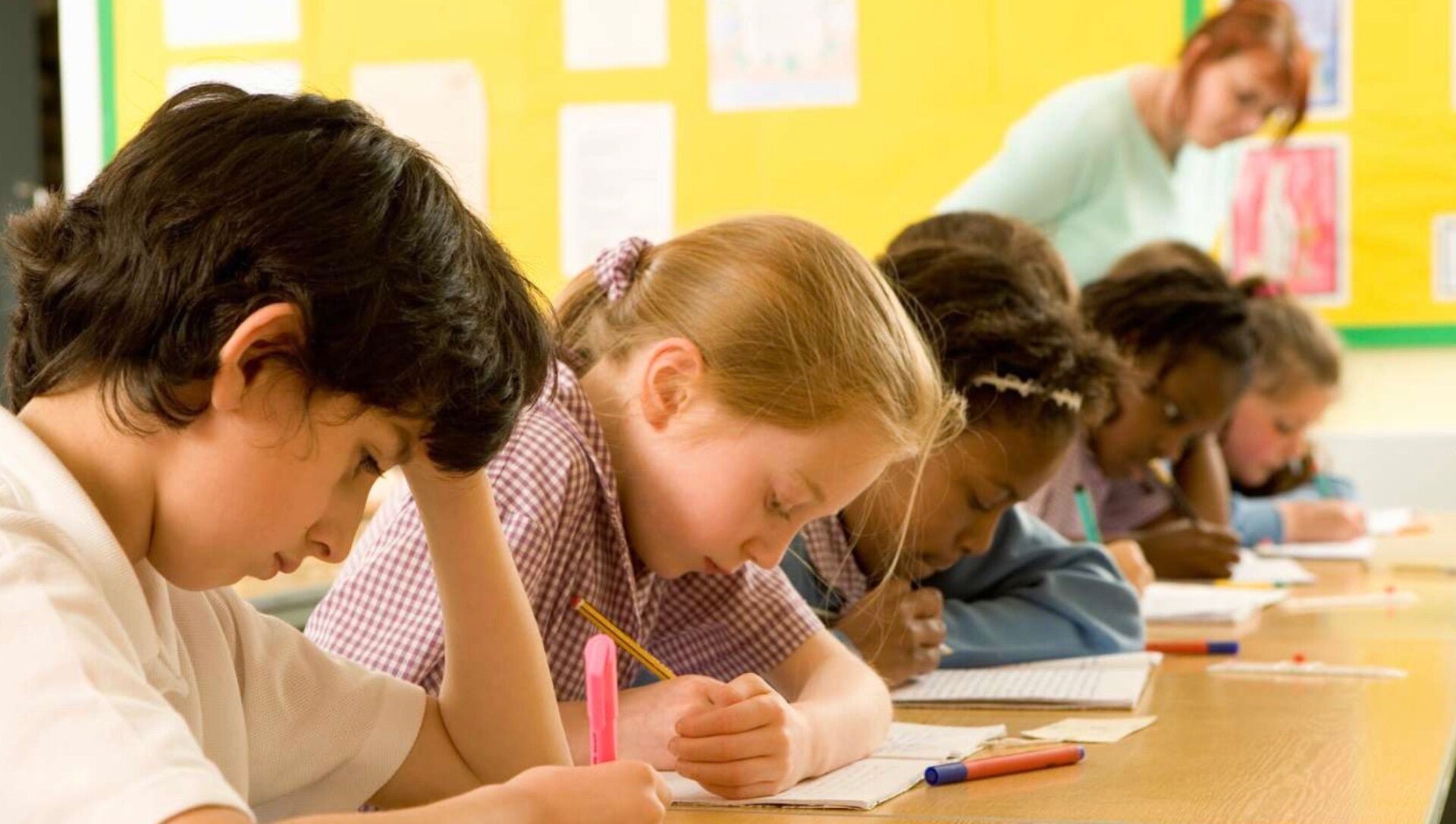
Inclusion Audit
Who is doing the adapting?
This reflection tool helps adults notice when “inclusion” is actually a child carrying the work.
It shifts the focus from behaviour and independence to responsibility, environment, and emotional safety.

When Friendship Changes
Helping children navigate friendship changes with confidence and compassion.
Friendships can change as children grow, move classes, develop new interests, or spend time with different people. This three-page reflection resource helps children understand that changing friendships are a normal part of life — and do not automatically mean someone has done something wrong.
It includes gentle reframes for common worries such as “They replaced me” or “I did something wrong,” while also helping children notice what does not change: their kindness, interests, worth, and possibility of forming new connections.
Best used when: a friendship is changing, a child feels left behind or replaced, or they are beginning to navigate new social groups and connections.

Friendship or Support?
Helping adults protect both belonging and healthy boundaries.
Friendship naturally includes helping, and support naturally includes caring — but they are not the same relationship. This four-page reflection tool helps adults recognise when a friendship is beginning to carry responsibilities that should belong to adults or formal support.
It explores the difference between healthy helping and ongoing responsibility, and includes reflection prompts to help adults protect mutual choice, reduce pressure, and make sure both children have space to simply be friends.
Best used when: one child is regularly expected to help, wait, explain, supervise, or carry responsibility for another child’s participation or support.

Before You Share: A Digital Dignity Reflection
A thoughtful pause before sharing a child’s story online.
Parents and professionals often share with good intentions, but a child’s story also belongs to them. This four-page reflection tool helps adults pause before posting and consider whose story they are telling, why they are sharing it, and what the child may think or feel about that story in the future.
It includes five reflection questions, an Awareness or Exposure? comparison, and future-focused prompts designed to protect privacy, identity, and dignity while still allowing adults to advocate and raise awareness thoughtfully.
Best used when: considering sharing a child’s diagnosis, school experiences, support needs, vulnerable moments, photographs, or personal information online.
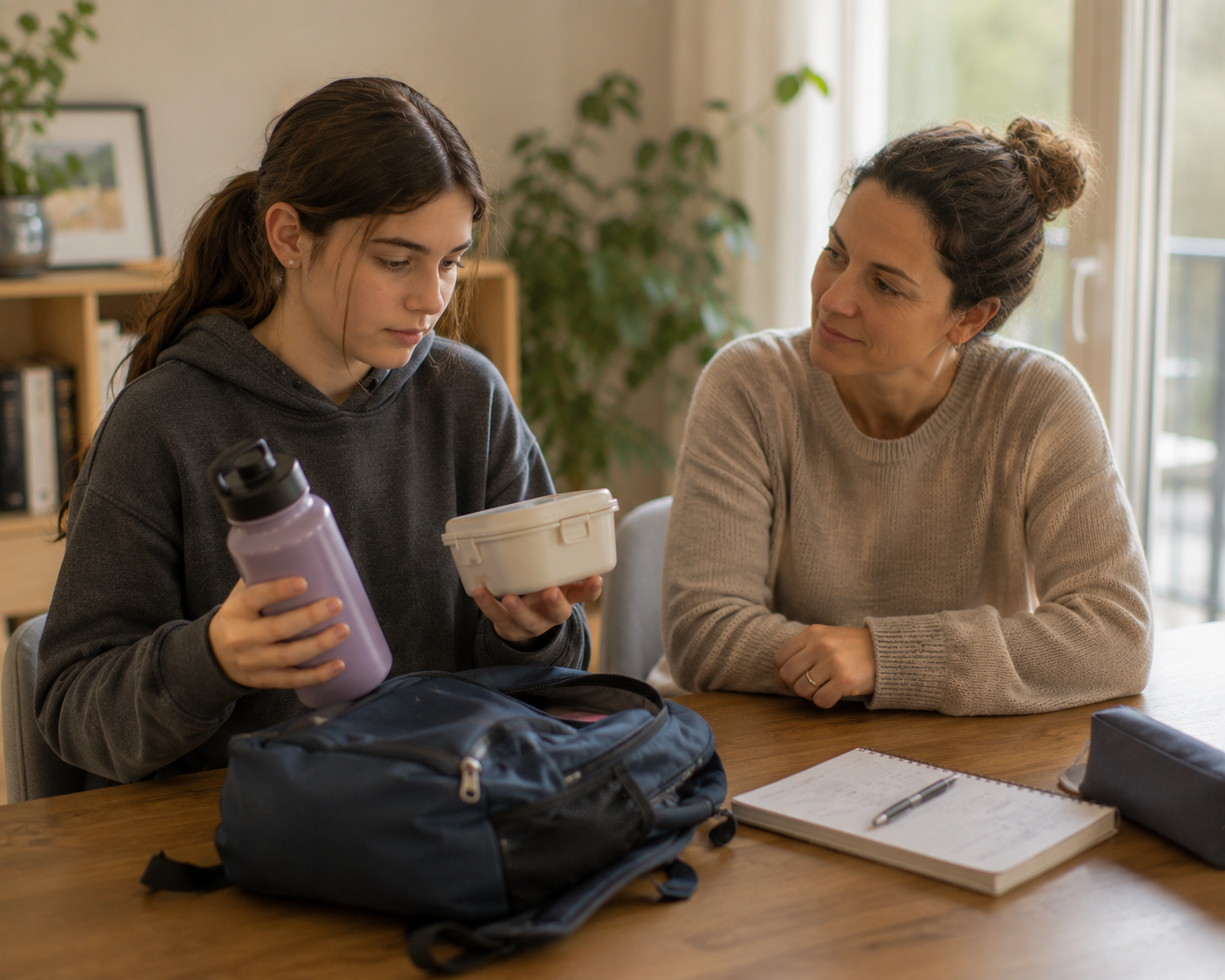
Support and Independence
Because growing independence doesn’t always mean needing less support.
Independence is not simply about doing everything alone. This four-page reflection tool helps adults notice the ways independence may already be growing through choice, self-advocacy, boundaries, responsibility, and supported decision making.
It also explores the difference between support and control, helping adults reflect on whether their responses are increasing a young person’s voice and ownership — or unintentionally replacing it. The final page guides adults to identify one small step towards greater ownership while keeping necessary support in place.
Best used when: reviewing support, building independence, preparing for greater responsibility, or deciding which choices and decisions can begin shifting more clearly to the young person.

Grateful… and Still Struggling?
Children should not have to choose between gratitude and honesty.
A child can appreciate support and still find parts of it difficult. This three-page reflection resource helps adults recognise that gratitude and struggle can exist at the same time — without expecting children to hide discomfort in order to seem appreciative.
It includes reflection prompts for adults, a check before responding with phrases such as “you’re lucky,” and practical alternatives that make more room for honesty, mixed emotions, and the child’s own experience of support.
Best used when: a child seems hesitant to talk about the difficult parts of support, therapy, adjustments, or help because they may worry about sounding ungrateful.
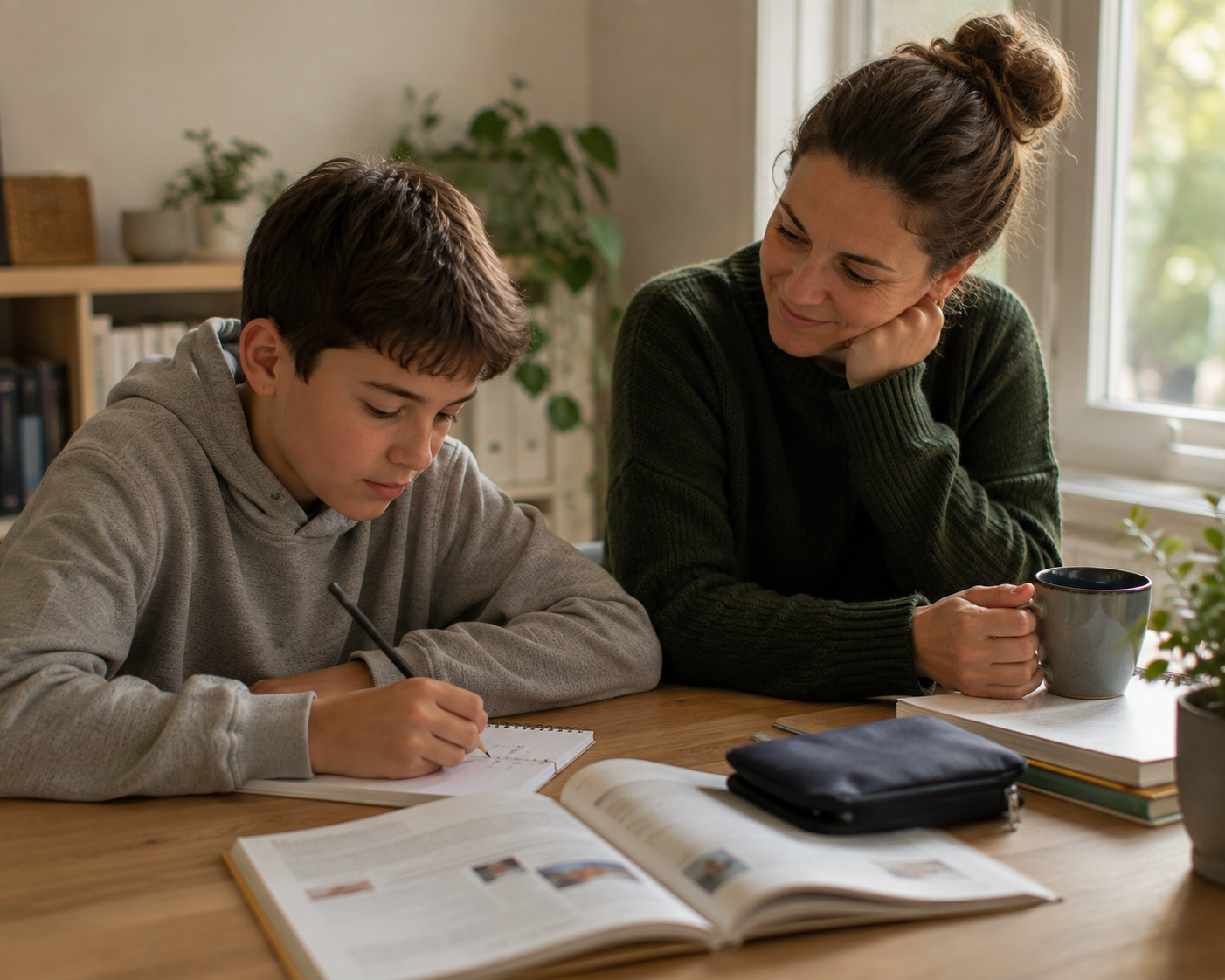
Believing in the Child
Belief should make children feel safe, not pressured.
Believing in a child is not about expecting them to prove what they can do. This three-page reflection tool helps adults notice a child’s strengths, interests, quiet successes, and the conditions that help them feel safe enough to try.
It also explores the difference between belief and expectation, encouraging adults to offer time, choice, breaks, reassurance, support, and different pathways so children can grow without feeling that their worth depends on success.
Best used when: supporting a child through challenge, setting goals, encouraging progress, or checking whether belief is starting to feel like pressure.
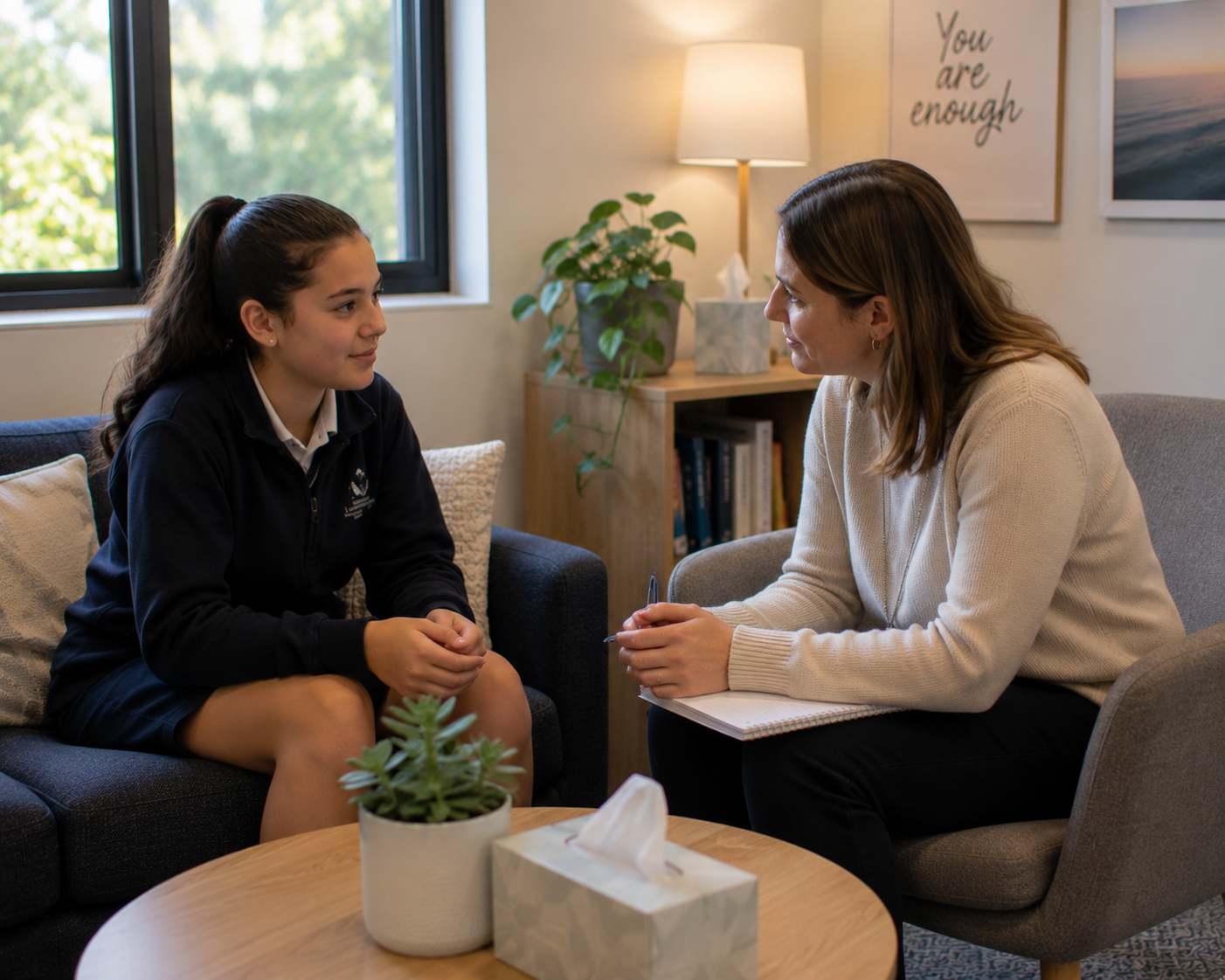
Respecting Privacy in Support
Protecting dignity, ownership, and trust.
Children deserve support that helps them feel safe without making them feel exposed. This reflection tool helps adults think carefully about what information genuinely needs to be shared, who needs to know it, and how to involve the child wherever possible.
It also explores privacy within friendships and everyday support, including when adults may be stepping in too quickly, speaking for the child, or sharing personal information in ways that reduce dignity. The resource keeps an important balance between privacy and safety — recognising that some information may still need to be shared when someone is at risk.
Best used when: discussing a child’s needs with others, deciding what information should be shared, supporting friendships, or reviewing whether support is becoming too personal or public.

Calm Afternoon
Supporting the after-school transition.
Some children hold themselves together through the school day and release everything once they reach a safe place. This one-page reflection tool helps adults understand that irritability, withdrawal, exhaustion, or big emotions after school may be signs of accumulated effort rather than something that needs immediate correction.
It highlights what the school day may have required, what adults might be seeing afterward, and the kinds of support that can help — including less talking, predictable comfort, quiet space, and gentle presence. It also offers simple language for responding with calm and connection.
Best used when: a child appears to cope during the day but becomes overwhelmed, irritable, withdrawn, or exhausted after school.

Holiday Connection Reflection
Connection should include choice, capacity, and recovery.
School holidays can bring relief and freedom, but they can also bring loneliness, disrupted routines, social pressure, or uncertainty. This two-page reflection tool helps children and teens think about what helps them feel more like themselves, who they want to connect with, and what support is available if things feel difficult.
It also helps families plan connection without pressure by considering downtime, regular activities, manageable social options, and the kind of holiday rhythm that feels sustainable rather than overwhelming.
Best used when: preparing for school holidays, planning social connection, or supporting a child who finds breaks from routine both relieving and challenging.
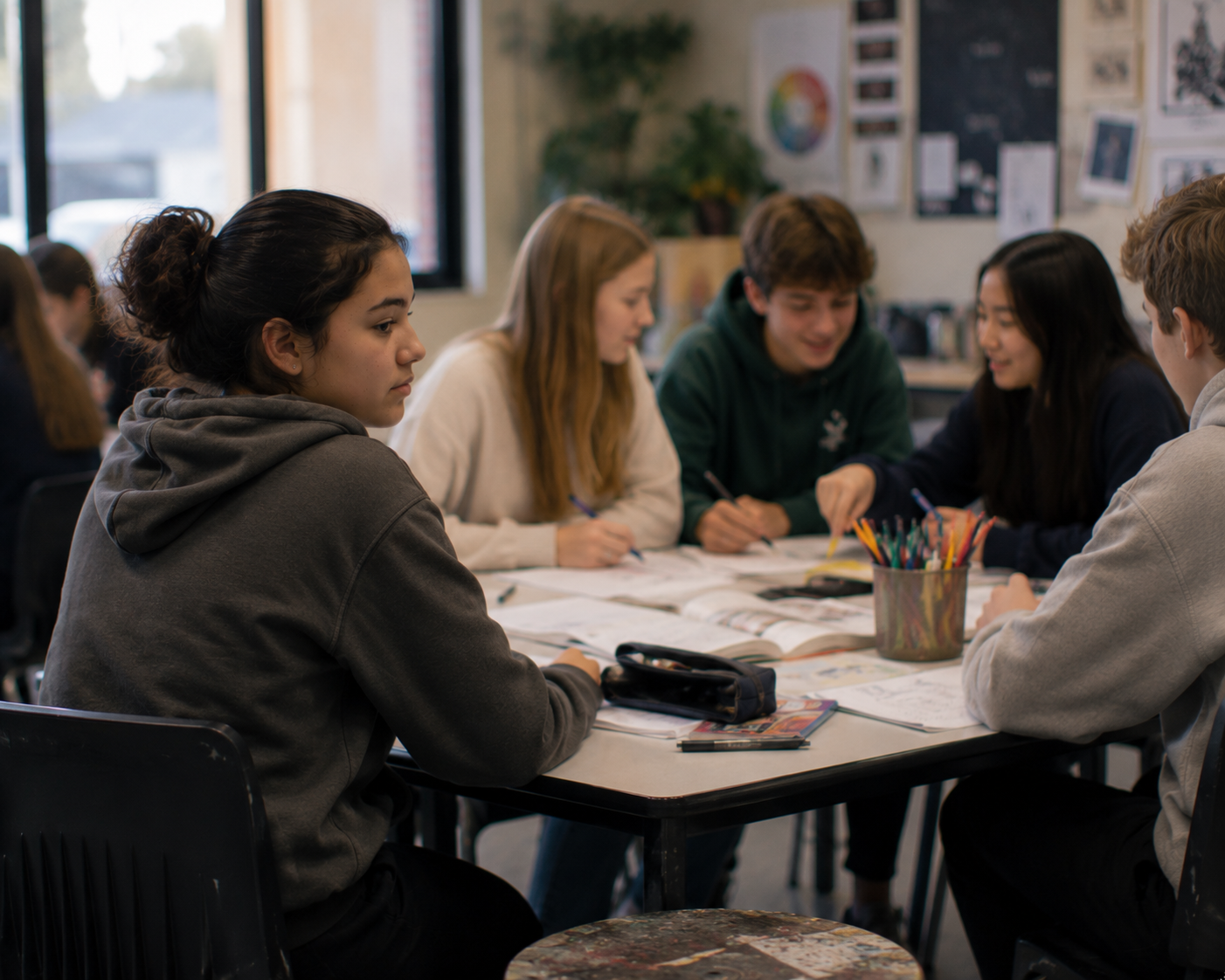
Included or Connected?
Exploring the difference between access and belonging.
A child can attend class, participate in activities, receive support, and still not feel like they truly belong. This four-page reflection resource helps adults and young people look beyond visible inclusion and consider whether a child feels welcome, known, valued, and part of what is happening.
It explores the difference between what adults can easily see — such as attendance, participation, accommodations, and support — and the quieter signs of belonging, such as having people to talk to, feeling safe being yourself, and knowing where you fit. The final page gives children and teens space to describe what inclusion and connection actually feel like for them.
Best used when: reviewing inclusion at school, checking whether participation is translating into genuine belonging, or creating space for a child or teen to explain how connected they really feel.

The Inclusion Belief Check
Looking beneath everyday inclusion decisions.
Inclusion decisions are rarely just practical. This four-page reflection resource helps adults notice the beliefs and assumptions influencing decisions about support, independence, participation, capability, and belonging.
It explores familiar statements such as “Their friend can help them,” “They need to become more independent,” and “At least they were included,” and encourages adults to look underneath the wording to consider what belief is shaping the response. It also examines the difference between charity, kindness, and equity, before offering alternative questions that can lead to more thoughtful and dependable inclusion.
Best used when: reviewing support decisions, planning inclusion, questioning assumptions about independence or capability, or reflecting on whether access is depending too heavily on goodwill.
Expectation or Pressure?
Recognising when challenge begins to ask too much.
High expectations can help children grow, but an expectation can become pressure when meeting it repeatedly requires more than a child has available.
This three-page reflection tool helps parents, educators and support staff look beyond whether a child completed something and consider capacity, support, effort and cost.
It also explores what repeated expectations may be teaching a child about asking for help, keeping up, making mistakes and their own abilities.
Best used when: a child is being encouraged to persist, expectations are being reviewed, or adults are unsure whether a challenge is supporting growth or creating pressure.
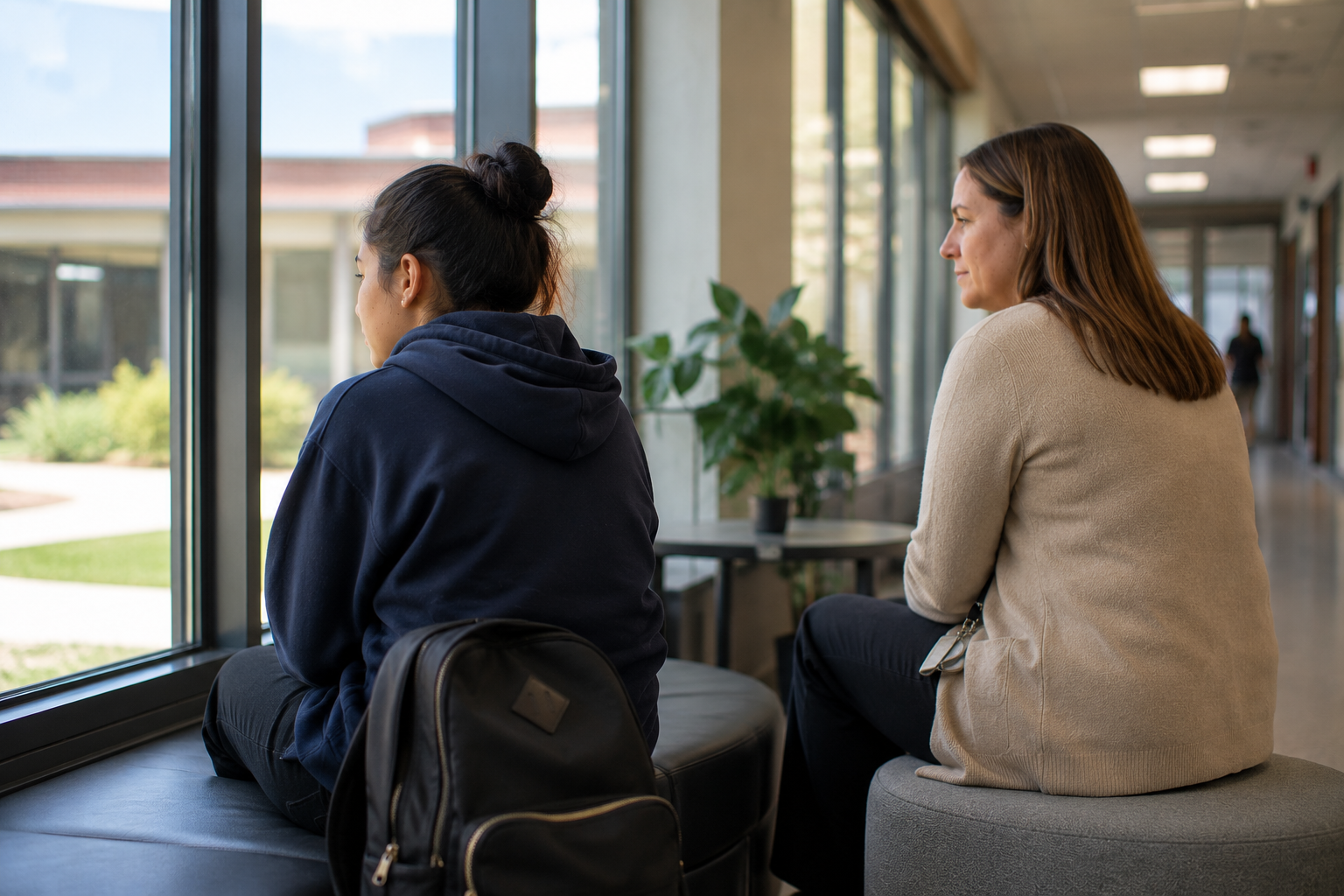
Growing Up With Support
A reflection for protecting dignity, privacy and choice through puberty and adolescence.
As young people grow, the support that once worked well may need to change too. This three-page reflection helps parents, educators and support staff consider changing privacy needs, comfort, independence and choice — while keeping the young person’s voice at the centre.
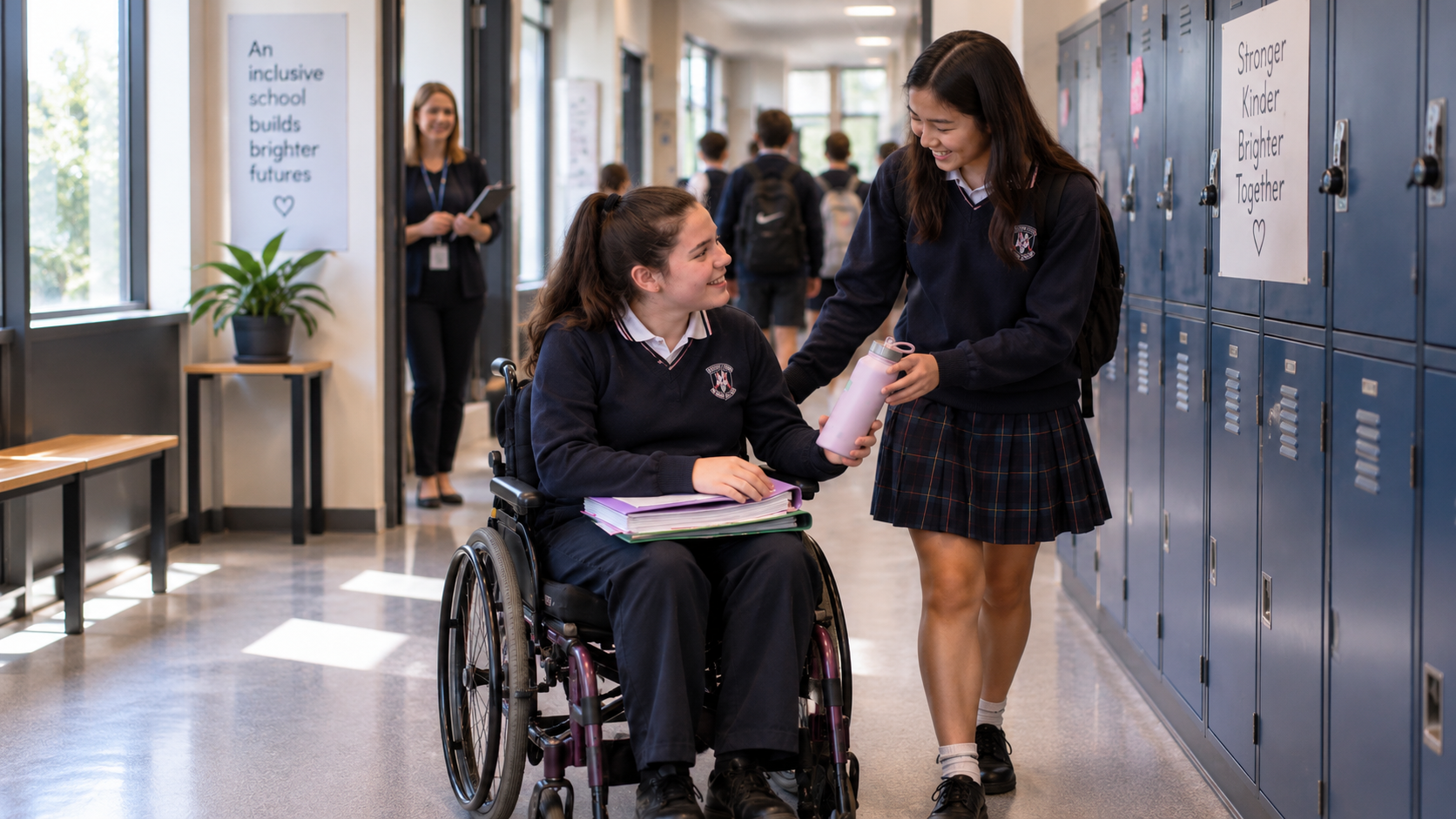
Peer Support or System Gap?
Recognising when peer support is complementing inclusion — and when it is compensating for missing support.
Peer support can be a valuable and natural part of school life. But when a child’s participation depends on another student being available, willing, or able to help, peer support may be doing work that belongs to the support system.
This three-page reflection tool helps parents, educators and support teams examine what support is being provided, who is responsible for it, how reliable the arrangement is, and what happens when the helpful peer is no longer there. It then helps adults identify what should remain naturally between peers, what needs to change, and what should become an adult, environmental or formal support responsibility.
Best used when: a child regularly relies on classmates for access, participation, communication, physical assistance or other support — or when adults are unsure whether a peer-support arrangement is enhancing inclusion or compensating for a gap.
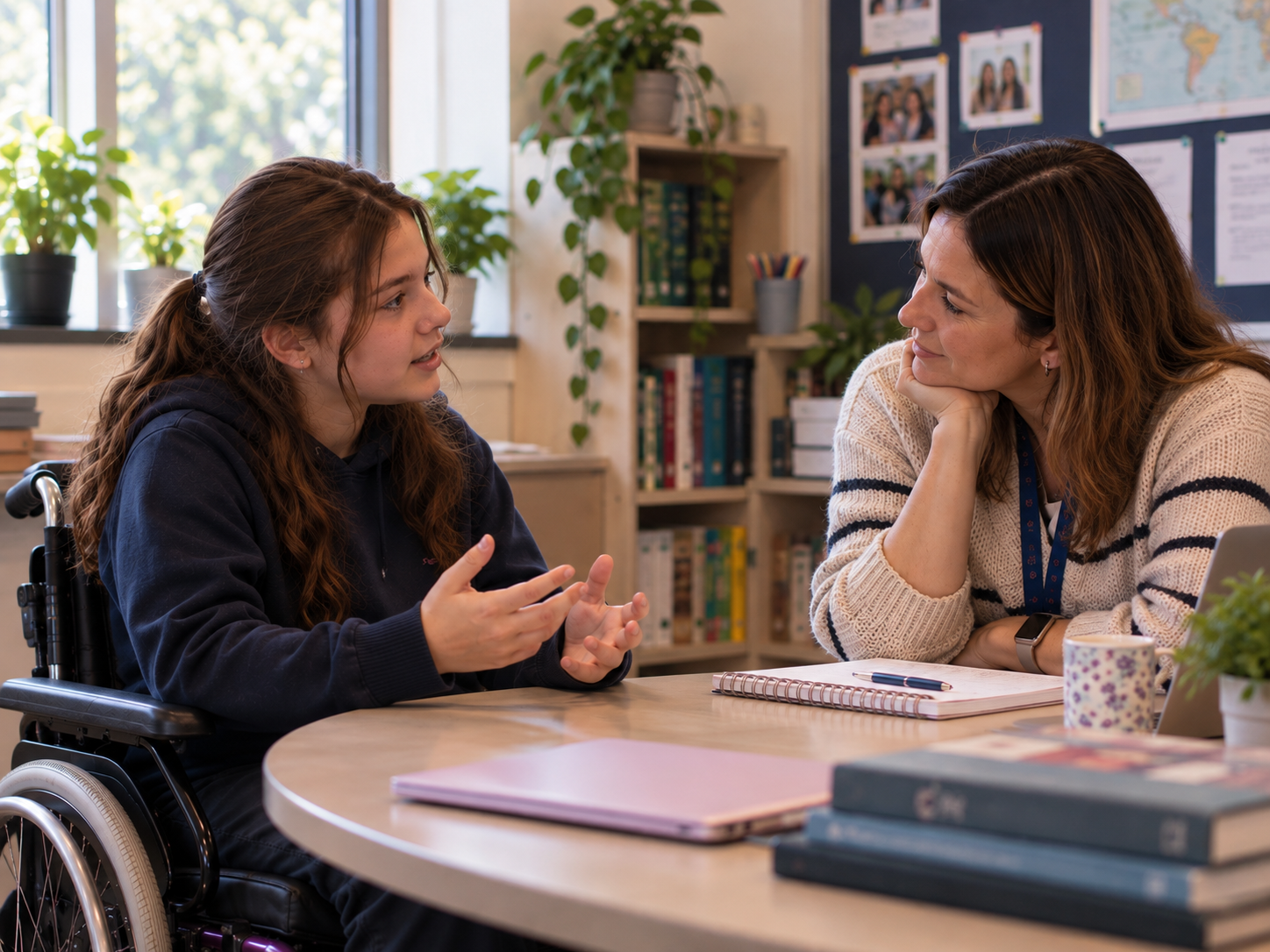
What Does This Language Leave Room For?
Thinking beyond good intentions when talking about disability.
Language about disability is often chosen with positive intentions, but the same words can communicate very different messages depending on who chooses them, how they are used, and what they allow the person themselves to say.
This three-page reflection tool helps parents, educators and support providers examine who chose the language, what it communicates, what it leaves room for, and who ultimately has ownership over the story being told. It encourages adults to move beyond whether language sounds positive and consider whether it still leaves space for honesty, difficulty, pride, frustration, support needs and the person’s own interpretation of disability.
Best used when: talking about disability, describing a child or young person’s experience, celebrating achievement, sharing personal stories, or reviewing language that is intended to feel encouraging or empowering.
More Than One Way to Grow
Looking beyond expected milestones when supporting independence.
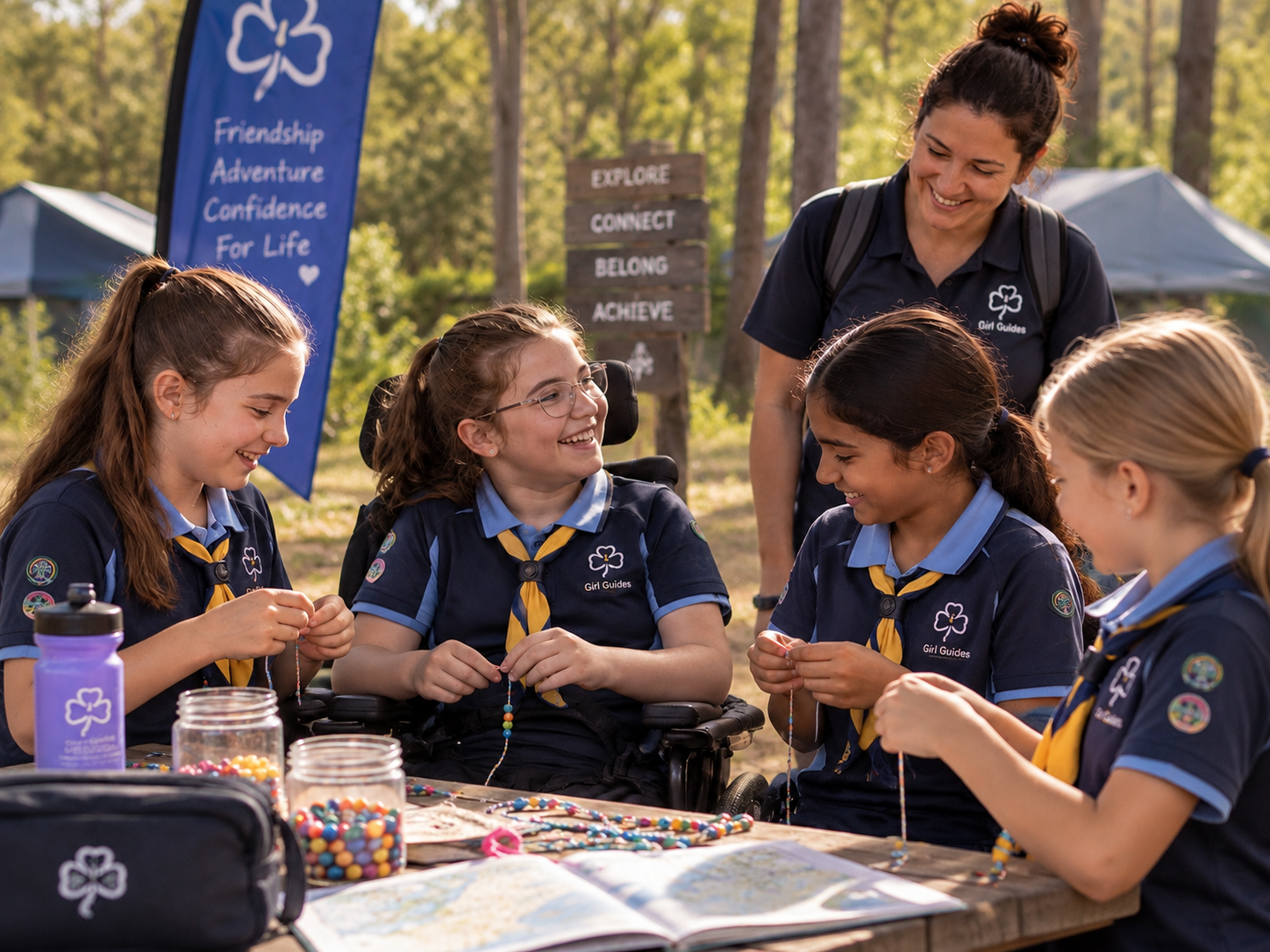
Independence does not have to develop through one expected pathway. Sleepovers, respite, camps and time away from family can create opportunities for growth — but completing a particular milestone is not the same thing as developing independence.
This three-page reflection tool helps parents, educators and support providers look at the goal beneath the milestone and consider different ways a child might build confidence, autonomy, participation and connection. It also encourages reflection on family preferences, culture, support needs and the child’s own views before interpreting a different pathway as dependence.
Best used when: adults are considering independence goals, respite, sleepovers, camps, separation from family or other childhood milestones — particularly when there is concern that a child is not following the expected pathway.
Is the Child Being Heard?
Supporting self-advocacy without making children responsible for securing their own support.
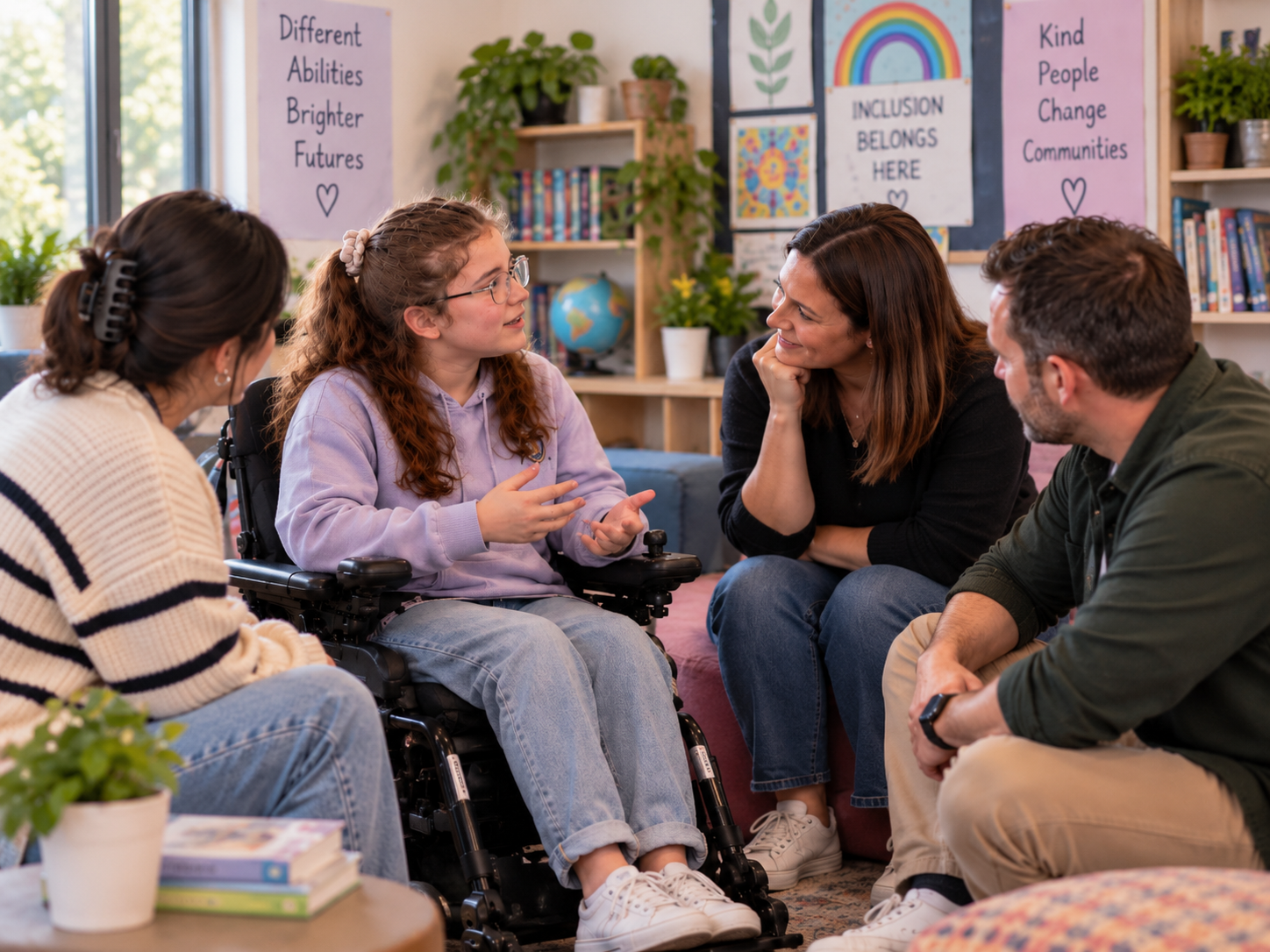
Self-advocacy can help children with a disability develop greater choice, confidence and control. But having a voice is only one part of advocacy — children also need to know that adults will listen and respond.
This three-page reflection tool helps parents, educators and support providers notice when a child is being given genuine opportunities to advocate, and when they are repeatedly having to remind, explain, defend or prove needs that should already be understood or supported.
It also helps adults reflect on what they can take responsibility for themselves, what can change in the environment, and how to keep the child’s voice involved without making them responsible for making the support system work.
Best used when: a child frequently has to repeat support needs, remind adults about adjustments, explain when something is not working, defend a choice, or become visibly distressed before a concern is taken seriously.