Distress often shows up before anyone asks why.

Exhaustion is often mistaken for maturity
Two Different Versions of the Same Child
In primary school, I wasn’t a “naughty” child.
I wasn’t disruptive.
I wasn’t intentionally defiant.
But mornings were hard.
Before school, I would become overwhelmed. Getting ready felt enormous. The thought of walking into a place where I didn’t feel fully understood would build until I couldn’t contain it anymore.
By the time I reached school, I was already dysregulated.
And once that happened, I wasn’t met with curiosity.
I was met with discipline.
I didn’t meltdown at home in the afternoons.
Most of my meltdowns happened before school or at school.
That distinction matters.
Sometimes the hardest part of the day happens before the bell rings.

Seen but not fully understood.
The Day Started Before School Did
Children with disabilities often live in two different worlds.
At school, they are seen through a professional lens — support plans, behaviour notes, goals, expectations.
At home, they are simply a child.
When those two worlds don’t align, the child feels it — even if no one says it out loud.
Sometimes behaviour is the end of a story that started hours earlier
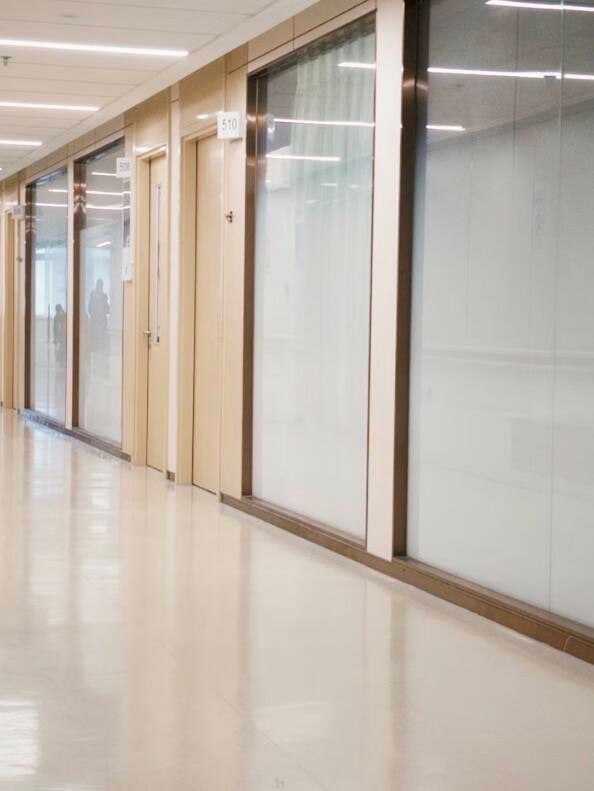
The same child. Two different spaces
The Assumptions That Followed
Because I was neat.
Because I was organised.
Because I appeared capable.
Some staff assumed I was spoilt.
They didn’t see the context.
At home, I had structure.
I had responsibilities.
I was expected to keep my space tidy — as much as I could within my limitations.
My upbringing was strict in many ways.
Disability was never used as an excuse.
What looked like entitlement was actually high expectation.
Presentation is not personality.
Advocacy and Misalignment
My mum advocated strongly for my education.
She believed I was capable academically. She didn’t want independence training to replace academic opportunity. She didn’t quietly accept lowered expectations.
Some families complied.
My mum pushed.
And when you are the child in the middle of adult tension, you feel it.
At school, I was often reduced to my diagnosis.
At home, I was seen as a child first.
I think that is where the misalignment began.
My family is South African. In our culture, appearance and behaviour matter. Responsibility is expected. Education is deeply valued.
At home, I was disciplined like a child.
At school, I was managed like a disability.
Those are not the same thing.
Children feel misalignment long before adults acknowledge it.

When adults don’t align, children feel it.
The Split That Developed
At home, I pushed boundaries.
I was stubborn.
And I was punished when I crossed them.
At school, I didn’t dare.
By high school, I had learned something quietly powerful:
Hide it.
I didn’t meltdown.
I didn’t explode — unless something truly broke me.
Instead, I internalised everything.
If a group stopped talking so I could speak because of my speech impediment, I would replay it for days. I would analyse their expressions. Wonder if they were whispering about me.
Outwardly, I was called mature.
Internally, I was exhausted.
Compliance is often mistaken for coping.
Compliance doesn’t always mean comfort.

Exhaustion is often mistaken for maturity.
What Listening Actually Looks Like
Listening across home and school does not mean agreeing on everything.
It means:
- Asking what mornings look like.
- Asking what afternoons feel like.
- Being curious instead of defensive.
- Recognising that behaviour shifts across environments for a reason.
- Understanding that regulation is context dependent.
It means remembering that a child can be capable and overwhelmed at the same time.
It means seeing the whole child — not just the version that shows up between 9 and 3.
Children shouldn’t have to split themselves to survive different rooms.
When Adults See Different Things
What school may have seen:
A responsible student.
Academically capable.
Occasionally emotional.
What home may have seen:
Pressure building.
Morning anxiety.
Internal tension.
Neither environment was entirely wrong.
But without alignment, the child becomes the bridge.
And bridges crack under too much weight.
Children with disabilities already navigate:
- therapies
- meetings
- goals
- comparisons
- being visibly different
They should not also have to manage adult miscommunication.
When adults don’t align, children absorb the gap.

I didn’t have the language then, I do now.
Closing Reflection for Parents and Educators
Looking back, I didn’t have the language to describe what was happening.
I just knew something felt different.
At school, I was often seen through one lens.
At home, I was seen through another.
Both spaces cared about me — but they didn’t always speak the same language.
Adults are allowed to disagree.
They are allowed to worry.
They are allowed to see different versions of the same child.
But children should never feel like the gap between adults is theirs to carry.
Children with disabilities already feel different from their peers.
They do not need to feel divided too.
If you’re reading this and thinking, “Yes — this is exactly what we’re living,” I created a practical tool to help: The Alignment Conversation Starter (available only to email subscribers). It helps parents and educators compare patterns across home and school and shift the conversation from “Who’s right?” to “What are we missing?”
Sign up here for exclusive access
Children shouldn’t have to manage the adults in their lives.
Add comment
Comments