Some children stop melting down — and start disappearing.
What Children Learn to Carry When They Don’t Feel Safe
Sometimes the biggest impact of school isn’t academic.
It’s social.
It’s what a child learns about where they fit.
How much space they’re allowed to take up.
And what happens when they show emotion in public.
When distress is treated like misbehaviour — and support is delivered with urgency instead of safety — children don’t just “improve their behaviour.”
They learn to disappear.
When children learn to hide nothing disappear — it just moves.
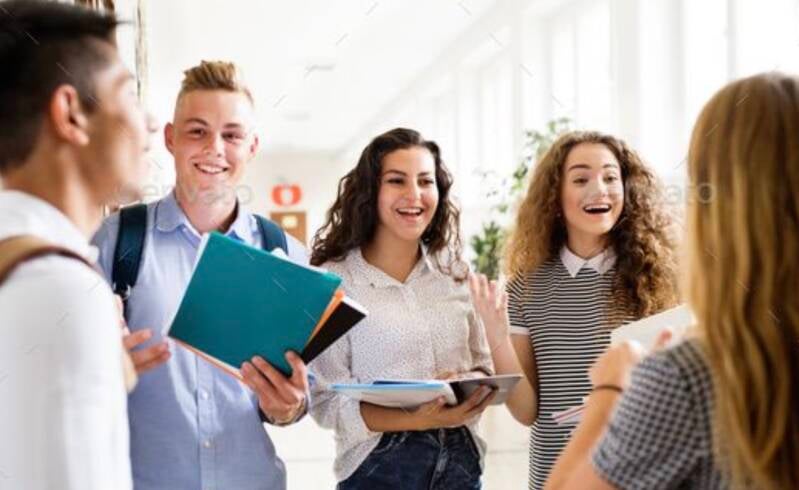
Behaviour was managed. Understanding was missing.
The Social Cost of Being Seen
When I finally found a good group of friends in high school, conversations were still hard.
Because of my speech, conversations often paused so I could speak. I would stumble over my words, and even when nobody said anything unkind, I felt exposed — like I was slowing the whole moment down.
Afterwards, I would replay it for days.
I would go over the looks on people’s faces, the pauses, the tone — convincing myself they were judging me or whispering about me.
That was the social consequence nobody could see:
I started choosing silence over the risk of being noticed.
My teacher aide in high school was genuinely wonderful — but she expected a lot from me, and she would sometimes correct my peers. Even when she was right, it drew attention back to me.
It made my social life harder, because I didn’t want my support to become a spotlight. I wanted to be a kid. I wanted friendships that felt equal.
I wasn’t calmer — I was quieter


Some days, the weight starts before the lesson does.
When “Good Behaviour” Comes At a Cost
One of the hardest truths for parents and educators to hold is this:
Sometimes a child looks calmer because they’ve learned the cost of being seen.
They’ve learned that showing emotion leads to consequences.
That overwhelm gets judged.
That distress gets managed.
So they adapt.
They become quieter.
More compliant.
Easier to teach.
Less “disruptive.”
And from the outside, it can look like progress.
But inside, it often feels like fear.
Compliance can look like coping — until you listen closely.
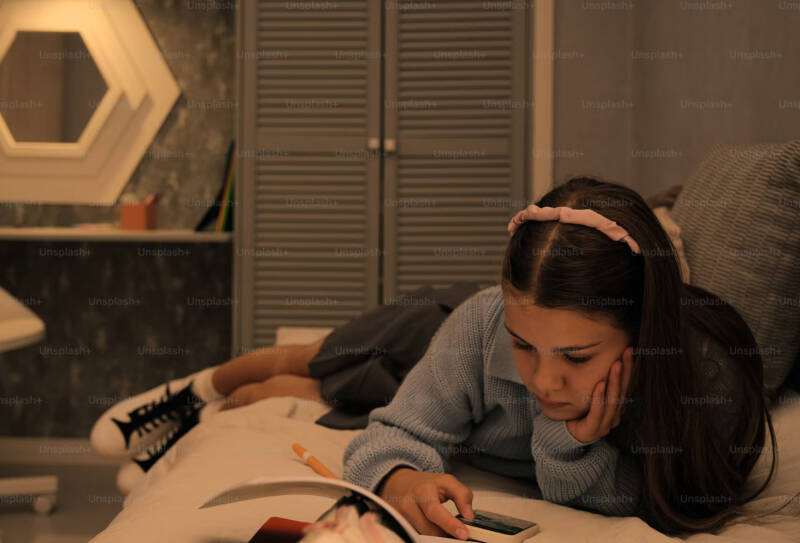
Isolation teaches silence — not regulation.
When ‘Safety’ Means Silence
When a child learns that emotions are dangerous at school, their nervous system adapts — but not in a healthy way.
They learn to:
- stay small
- stay quiet
- avoid attention
- stop asking for help
- stop speaking up when something hurts
And the social message underneath all of it becomes:
Belonging is conditional.
That’s when school becomes more than a place to learn.
It becomes a place to perform.
When safety requires silence, connection becomes risky.
By high school, many children learn not to be seen.
The Consequences That Show Up Later
This is where the impact often gets misunderstood.
Because the child may still be attending school.
Still completing work.
Still appearing fine.
But the social consequences begin to form underneath:
- anxiety in group conversations
- constant overthinking
- fear of being judged
- reluctance to take social risks
- people-pleasing to avoid conflict
- laughing instead of crying
- holding things in until it explode later, somewhere, safer
These aren’t personality flaws.
They’re adaptations.
They’re what happens when a child learns that dignity is optional — and that their comfort matters less than the room staying calm.
Adaptation isn’t the same as resilience.

Children remember where they were removed from.
A Closing Reflection for Parents and Educators
It’s normal to care about behaviour.
It’s normal to want children to develop responsibility and social skills.
But children with disabilities already feel different from their peers.
They don’t need adult urgency added to the weight they carry.
They don’t need to learn that belonging is earned through silence.
They don’t need to perform coping just to stay included.
They need support that protects dignity — especially in front of others. Because school isn’t only where children learn literacy and numeracy — it’s where they learn whether it’s safe to exist as themselves.
If you’re noticing a child who seems “fine” on the outside but carries everything on the inside, that’s exactly why I created The Hidden Load — a resource for recognising the unseen effort, emotional masking, and quiet pressure that so many children carry through the school day.
Belonging shouldn’t require a child to disappear

Dignity sounds like staying close — not sending them away.
What Could Have Changed The Outcome
This isn’t about blaming educators or parents.
Most adults are doing their best with the support, training, and time they have.
But there is one shift that changes everything:
Regulation before responsibility.
Connection before correction.
Curiosity before consequence.
Because when a child is overwhelmed, discipline doesn’t teach a skill.
It teaches a child what happens when they are not okay.
And that lesson follows them socially.
A child who feels safe enough to be seen learns confidence.
A child who feels watched learns self-protection.
Children learn courage when they feel safe enough to be seen.

This isn’t theory. It’s lived.
Add comment
Comments