When support takes over, can lose the chance to trust themselves

Support can feel different when it never steps back
When Support Stays Too Close
Some children are rarely given the chance to do things without adult involvement.
An adult stays nearby.
Steps in quickly.
Answers for them.
Corrects before they have time to work it out.
And over time, that can make it harder for children to trust their own abilities.
Because when support never steps back, independence does not get the chance to grow.
Support should create space — not take it away
When Support Stops Feeling Like Support
Support is meant to help children participate.
It is meant to reduce pressure.
Build confidence.
Create safety.
But sometimes support can slowly become something else.
More supervision than support.
More correction than guidance.
More adult control than child choice.
And when that happens, children can lose opportunities to try, decide, and trust themselves.
Support should help children feel more capable — not more controlled
The Difference Between Help and Control
Help supports a child to do something.
Control does it for them.
Speaks for them.
Decides too quickly.
Steers every moment.
The difference can be subtle.
But children notice it.
They notice when they are trusted.
And they notice when they are not.
Support should build trust, not replace it

Correction can feel different when everyone can see it
Correction in Front of Peers
Correction can sometimes happen too publicly.
An adult redirects behaviour.
Answers on behalf of a child.
Points out mistakes in front of others.
And even when the intention is good, it can create embarrassment.
Because children are often very aware of who is being corrected, who is being helped, and who is being watched.
Support that happens in front of peers can sometimes feel more like exposure than guidance.
Correction protects learning when it also protects dignity

Support can change the shape of a friendship
When Adults Step Into Friendships
After that hospitalisation, I could not return to school for months.
I knew my friends were busy preparing for their final exams, and I understood that their time and energy were limited.
I was trying not to pressure them.
I only texted or spoke to them when they reached out first.
What I did not know at the time was that my teacher aide had been pressuring them to visit me.
When I eventually found out, it changed how the situation felt.
Because it no longer looked like I was giving them space anymore.
It looked like I had been complaining about them.
It looked like I wanted adults to step in.
And that was never what I wanted.
Looking back, I think that changed things when I returned to school.
Because once adults become part of a friendship dynamic, it can be hard to separate what was actually said from what people think happened.
Support can become control when adults step into relationships that children are trying to navigate themselves

Sometimes a pause is part of trying
When Adults Step In Too Quickly
Sometimes adults step in before a child has had the chance to try.
A pause is mistaken for struggle.
Silence is mistaken for confusion.
Tiredness is mistaken for disengagement.
I remember being corrected often, even on days when I was simply exhausted.
Especially after late nights trying to keep up with schoolwork.
What I needed in those moments was more understanding, not more management.
But when tiredness was read as not listening, being disengaged, or being in a bad mood, support could feel less like help and more like control.
Because I was not being given space to explain what was happening.
I was being interpreted before I had the chance to speak for myself.
Not every pause means a child needs rescuing
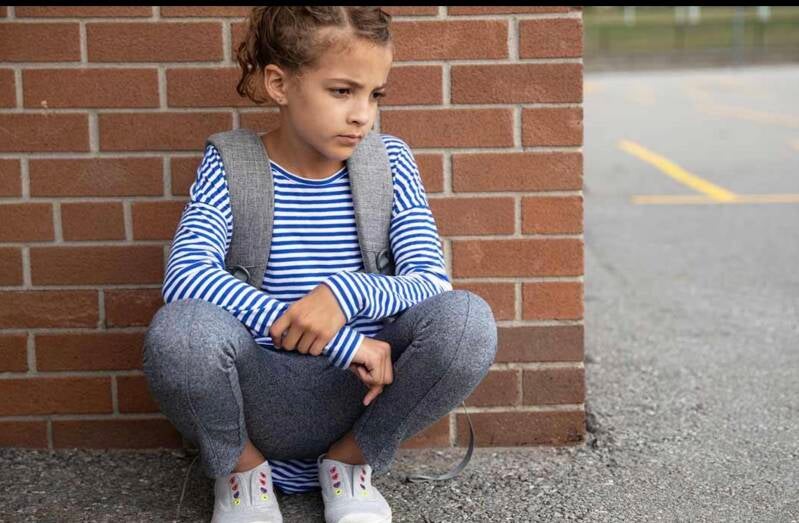
Too much help can sometimes leave children feeling less sure of themselves
When Personal Support Takes Ownership of Personal Information
Sometimes support does not stay in the classroom.
Sometimes it moves into private conversations and deeply personal parts of a child’s life.
In Year 12, I was admitted to hospital.
I expected my core group of friends to know.
That part did not upset me the most.
What stayed with me was who found out first.
My teacher aide told newer friends first because she liked them.
But my core group of friends found out later through the grapevine.
And that changed things.
Because it no longer felt like the information had been shared in a way that made sense for the relationships I already had.
Eventually, the information reached my cousin, who had no idea what had happened.
She became emotional, and at that point we were still trying to keep her out of it until we had spoken to my aunt and uncle.
That was the part that stayed with me.
Not that people knew.
But that something so personal moved further and faster than I expected, before my family had the chance to decide what should happen next.
Support can become control when adults take ownership over who should know what

Some things stay with the child and family first

Children notice when they are trusted and when they are not
What Support Can Look Like Instead
Support does not have to disappear.
But it can become quieter.
It can:
- wait before stepping in
- give children time to process
- offer choices
- protect privacy
- trust children to try first
Because the goal of support is not to control the outcome.
It is to help children feel more able to navigate things for themselves
The best support is support that slowly steps back
The Cost of Over-Management
When children are constantly guided, reminded, or corrected, they can start to rely on adults to manage things for them.
Not because they cannot do it.
But because they stop feeling like they are allowed to try without someone stepping in.
This can show up as:
- waiting for permission
- avoiding decisions
- feeling unsure without reassurance
- losing confidence in their own judgment
Because over time, too much control can make children feel less capable — not more supported.
Support should increase confidence, not dependence

Sometimes support means stepping back

There were times I needed help but I also needed room to be trusted
Closing Reflection for Parents and Educators
Some children are not only learning what to do.
They are learning whether adults believe they can do it.
And that message matters.
Because support should not leave children feeling smaller, more dependent, or less sure of themselves.
It should leave them feeling more capable than before.
If this is something you are reflecting on, I am also creating a simple resource around respecting privacy in support — looking at dignity, personal information, friendships, and how to make sure support does not take ownership away from children.
The goal is more independence not less
Add comment
Comments