Being supported shouldn’t feel like being watched
When Being Supported Also Means Being Seen
Some children are not just navigating school.
They are navigating being watched within it.
Their behaviour is noticed.
Their responses are interpreted.
Their actions are often observed in real time.
And over time, that can begin to change how school feels.
Being seen all the time can change how a child experiences school
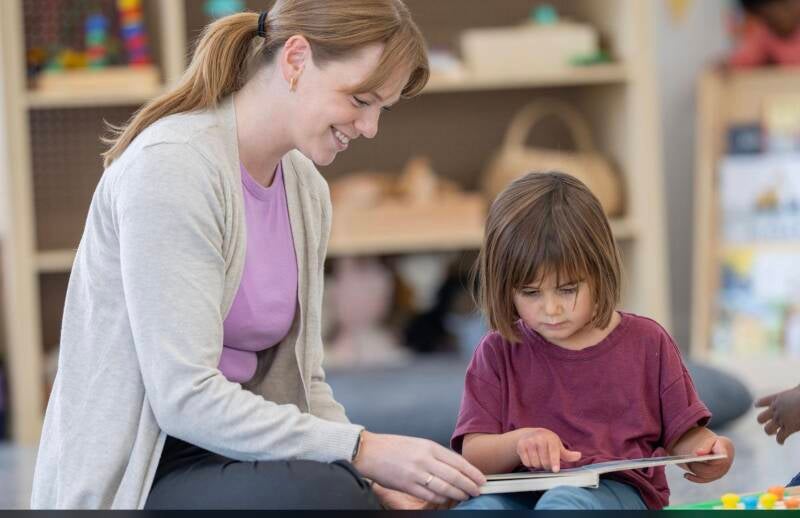
Support that stays close can be hard to step back
When Support Feels Like Evaluation
I remember being corrected often.
Even on days when I was exhausted — especially after late nights trying to keep up with schoolwork — that didn’t always seem to be recognised.
It could be seen as disengagement.
As not listening.
Or as being in a bad mood.
But from my perspective, nothing had really changed.
I was just tired.
Over time, that started to shift how I experienced those moments.
I became more aware of how I might be coming across —
and more careful about how I responded.
Support should feel safe — not like a test


Being seen can feel different when it doesn’t step back
What Being Observed Can Feel Like
Support is meant to help.
But when it is constant or highly visible,
it can begin to feel different.
An adult nearby.
Frequent check-ins.
Attention that doesn’t quite step back.
Not because anything is wrong —
but because it’s always there.
And for some children, that can feel less like support
and more like being evaluated.
Support can feel different when it’s constant
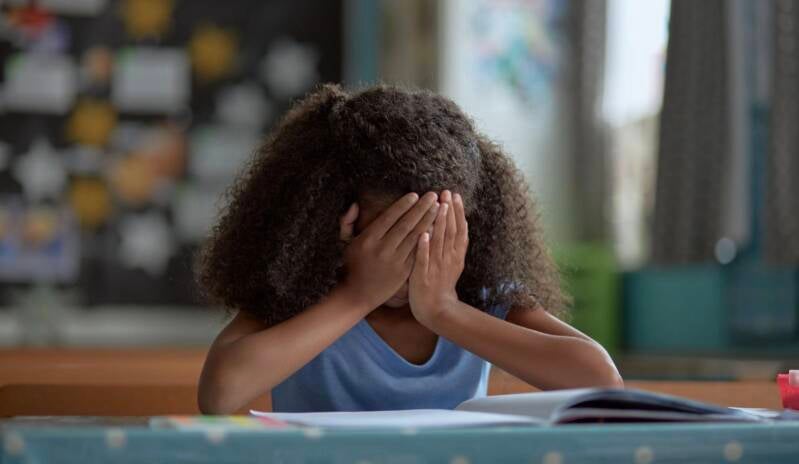
Sometimes the pause isn’t uncertainty — it’s awareness
The Pressure to Get It Right
When a child knows they are being watched,
it can create pressure.
To respond the “right” way.
To behave the “right” way.
To avoid getting it wrong.
This isn’t always visible.
But it can show up as hesitation.
Overthinking.
Holding back.
Because it no longer feels like space to learn.
It feels like space to perform.
Being watched can turn into performance
Awareness doesn’t always feel like confidence
The Social Layer
Observation doesn’t only come from adults.
Sometimes, it’s about who else can see.
I remember needing support with feeding at lunch.
And it wasn’t only the support itself that stayed with me.
It was what happened around it.
Group conversations could become more careful when my teacher aide was there.
Sometimes the group would branch off while that support was happening.
No one said anything directly.
But over time, it left an impression.
It made me feel like needing support made me riskier to be around.
Not because of what was said —
but because of how quickly the social space could shift
Support can quietly change the social space around a child


Sometimes support changes space around the child
When Observation Changes Behaviour
Sometimes, being observed doesn’t just change how something feels.
It changes what a child does.
One of my accommodations was completing exams in a separate room, where I would dictate my answers.
I remember studying hard for one test.
I knew the content.
I knew the answers.
But I still held something back.
I intentionally made a few mistakes.
Not because I didn’t understand —
but because I was aware of how it might look.
I didn’t want my peers to think the answers had come from someone else.
That awareness stayed with me —
even in a space that was meant to support me.
Being observed can change behaviour — even when support
Support can be necessary and still feel visible
What This Means For Adults
This doesn’t mean support should be removed.
But it does mean it needs to be thoughtfully delivered.
Because how support feels matters just as much as what is provided.
Support can look like:
- stepping back when possible
- reducing visibility where possible
- allowing space before stepping in
- protecting dignity within support
Because support should not create pressure.
It should reduce it.
Support should feel safe — not like a spotlight


Sometimes stepping back feels safer than being seen
Closing Reflection for Parents and Educators
Some children are not just learning the curriculum.
They are learning how to exist while being watched.
And that can carry a weight we don’t always see.
Because being supported should never feel like being on display.
If this is something you’re reflecting on, I’ve created a simple Visibility Check — available in the Inclusion Library — to help notice when support may be increasing pressure, rather than reducing it.
Support should feel safe —not like something on display
There was more being noticed than people realised
Add comment
Comments