Belonging can’t be assigned — it has to be felt.

Some friendships are placed together before they are ready to form.
Buddy Systems Vs Real Friendships
In many school settings, friendship is supported through structure.
A peer is assigned.
A group is organised.
An opportunity is created.
And while this can support access,
it doesn’t always lead to connection.
Because friendship is different.
It’s not assigned.
It’s chosen.
It grows through mutual understanding — not expectation.
A child can be sitting next to someone every day
and still feel completely alone.
Because proximity is not the same as connection.
Proximity is not the same as connection.
When Inclusion Is Carefully Planned
In schools, there is often a strong focus on helping children feel included.
Buddy systems.
Group work.
Structured social opportunities.
All created with good intentions.
Because connection matters.
But something I’ve come to understand — both through experience and reflection — is this:
Connection doesn’t always come from structure.
inclusion can be planned but connection can’t.

Sitting next to someone is not the same as feeling. connected.

Some connections feel easier when expectations are simpler
When Connection Became Complicated
In high school, friendship felt more uncertain.
There was one girl in my friendship group I often felt drawn to.
Sometimes she would let me in —
include me in conversations, share moments, make it feel like we were connecting.
But just as quickly, she would pull back.
And I was often left feeling frustrated, trying to understand what had changed.
Looking back, I don’t think it was about either of us doing something wrong.
I think we were trying to build a connection in a space where the expectations weren’t clear.
We met through a buddy system.
And I’ve often wondered —
if we had met naturally, without that structure,
would things have felt different?
There was also another layer I didn’t fully understand at the time.
My teacher aide didn’t approve of the friendship.
And while that may have come from a place of protection,
it added tension to something that already felt uncertain.
Instead of supporting connection,
it made it feel more complicated.
What I’ve come to understand now is this:
Friendship wasn’t the problem.
The environment around it was.
Understanding shapes connection
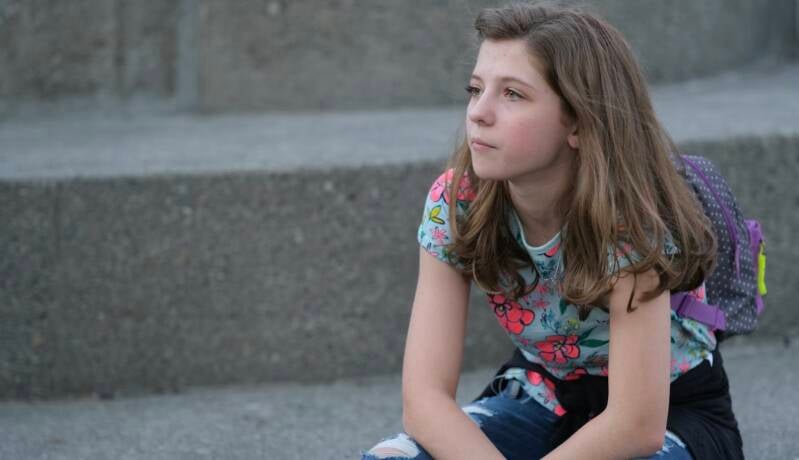
It’s always about friendship but understanding how it works
When Friendship Felt Easier
In primary school, friendship felt different.
Many of my friendships were with other children who also had disabilities.
At the time, it felt simple.
We understood each other in ways that didn’t need to be explained.
There was less pressure to interpret social cues or respond in a certain way.
Connection felt more natural — not because we were the same,
but because the expectations around us were different.
Looking back, I realise those friendships weren’t basic.
They were accessible.
They didn’t rely on navigating invisible social rules in the same way.
And that’s something that changed for me in high.
Connection felt easier when it didn’t rely on unspoken rules

Sometimes connection feels close and then suddenly out of reach
When Inclusion Feels Forced
Sometimes, when schools try to support social connection,
it can unintentionally create pressure.
Repeated pairing.
Structured interaction.
Expected inclusion.
And when there isn’t mutual choice,
the connection can feel unbalanced.
Not because children don’t want to connect —
but because connection is being directed instead of developed.
When inclusion is forced,
it can highlight difference instead of reducing it.
Forced inclusion can create difference instead of connection.
Reflection For Parents and Educators
Instead of asking:
How do we include this child socially?
Maybe the better question is:
How do we create environments where connection can happen naturally?
Because belonging isn’t something we organise for children.
It’s something we make possible.
And when connection feels watched, judged, or over-managed, even good intentions can make friendship harder — not easier.
If this reflection resonates, I’ve created a small companion resource for email subscribers only called Letting Connection Happen.
It is a simple guide for parents and teachers on how to support friendships without over-controlling them, and when to step back unless harm is present.
Because belonging grows best when connection feels safe enough to develop naturally.
Belonging happens when connection is safe, mutual, and real.

Belonging isn’t something we organise it’s something we make possible
Add comment
Comments