What looks like coping at school may be everything being held in
When Coping is Quiet, it’s Often Missed
Some children seem to cope well at school.
They follow routines.
They meet expectations.
They hold it together throughout the day.
But that doesn’t always mean they are coping.
Because when they get home, everything can shift.
Emotions surface.
Regulation drops.
What looked steady during the day begins to unravel.
What looks like steady on the outside, may be taking everything in to hold it together
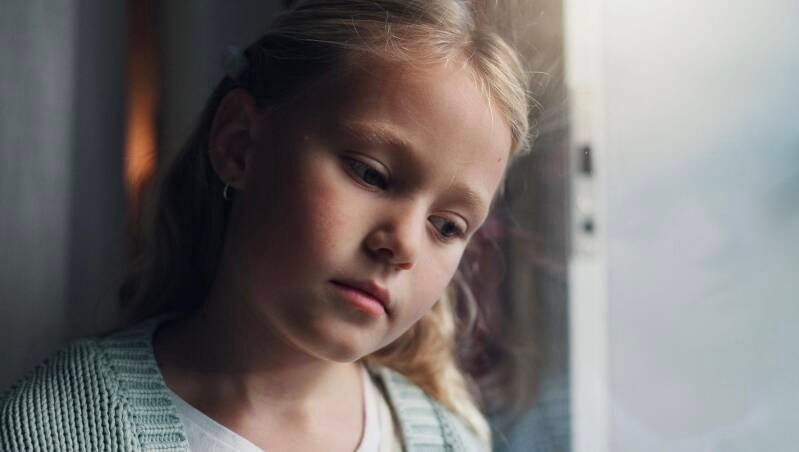

The school day ends, but the effort doesn’t always end with it
What We See vs What’s Happening
From the outside, it can feel confusing.
A child who seemed “fine” at school
may struggle once they get home.
But this isn’t inconsistency.
It’s capacity running out.
Nothing has disappeared during the day —
it has been managed, contained, and held in.
And eventually, it needs somewhere to go.
What looks like coping may be capacity being stretched
SometImes the shift happens — not all at once
Holding It Together All Day
Holding it together takes effort — even when it isn’t visible.
I learned pretty quickly in primary school
that I couldn’t have a meltdown at school.
It took a lot to keep my emotions in
and behave in the way that was expected.
But that didn’t mean those feelings went away.
When I got home, they often came out —
in ways that looked like misbehaviour or a meltdown.
It wasn’t that I was coping.
I was holding it in.
Holding it in all day can mean falling apart later
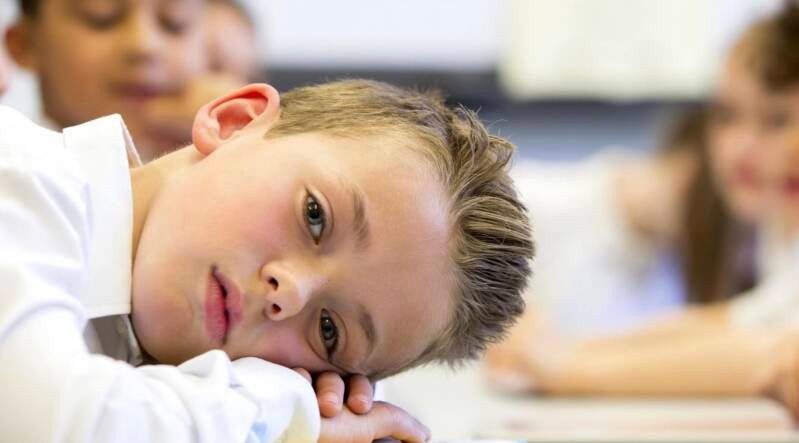
At school, looking okay doesn’t always mean feeling okay

Holding it together can take more energy than we realise
Masking and Emotional Containment
Some children learn to manage their reactions in structured environments.
They watch what others do.
They adjust their responses.
They try to stay within expectations.
But that doesn’t mean they feel less.
High school felt completely different for me.
I didn’t know the rules — especially the social ones.
So much of my energy went into trying to figure them out,
while also trying to stay unnoticed.
That constant effort was exhausting.
And by the end of the day, there was very little left.
Sometimes children don’t feel less — they just show it later
Why It Comes Out at Home
Home is often where children feel safest.
There is less pressure to perform.
Less need to monitor behaviour.
Less expectation to get everything right.
So when the day ends, the body begins to release.
What comes out at home isn’t new.
It’s everything that has been held in.
The after-school crash often happens when a child feels safest.

In these moments, presence matters more than fixing

What comes out at home isn’t new — it’s what’s been held in
The Nervous System
Regulation takes energy.
Throughout the school day, children are:
- managing expectations
- navigating social environments
- processing sensory input
- staying within structure
By the end of the day, that energy can be depleted.
And when energy runs low, regulation becomes harder to maintain.
Regulation requires energy — and energy is not unlimited
Different Environments, Different Responses
Children don’t behave differently without reason.
School and home ask for different things.
At school:
- behaviour is monitored
- expectations are clear
- structure is consistent
At home:
- expectations are lower
- environments are more flexible
- safety allows for expression
It’s the same child —
responding to different demands.
Different environments don’t change the child — they change the demands
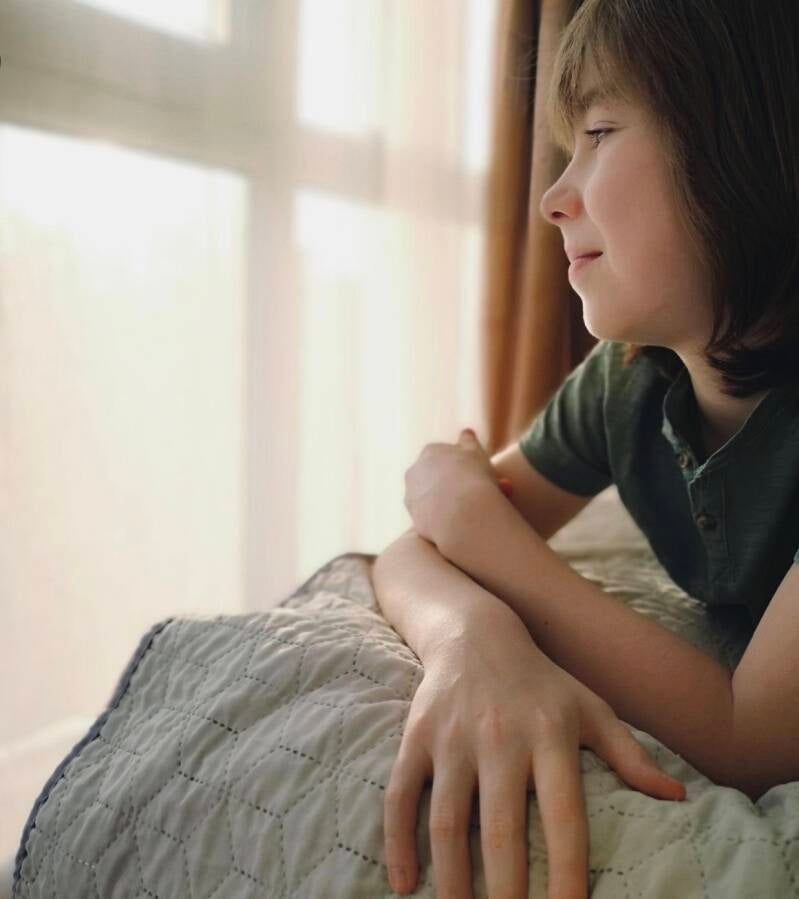
Rest is not avoidance — it’s recovery

SometImes what helps most is less — less pressure, less expectation
What This Means for Adults
When a child struggles after school,
it can be easy to focus on the behaviour in front of us.
But behaviour doesn’t exist in isolation.
It carries the weight of the day.
Instead of asking,
“How do we stop this?”
We might ask,
“What has this day required of them?”
Because what looks like “too much” at home
may be the result of too much being held in all day.
Behaviour is often a reflection of what the day has required
Closing Reflection For Parents and Educators
What looks like coping during the day
may be costing more than we realise.
And what looks like falling apart
may actually be a child finally able to let go.
The after-school crash isn’t failure.
It’s release.
For some children, what they need most in that moment
is not correction — but calm.
A quieter afternoon.
Less expectation.
Space to come back to themselves.
If this is something you’re navigating,
I’ve created a simple Calm Afternoon guide
— available for email subscribers —
to support this transition in a gentle, practical way.
Sometimes the safest place is where everything finally comes out

This part of the day held more than people realised
Add comment
Comments