School should be based on a child’s need — not on they are perceived

What looks like coping is not always ease
The Labels That Shape Access
In school, children are often described in simple ways.
“Easy to support.”
“Hard to manage.”
“Trying their best.”
“Not putting in effort.”
But these labels can shape how support is given.
Who is offered help.
How quickly adults step in.
How much patience is given.
How behaviour is interpreted.
And over time, that can affect access.
Support should be based on what child needs.— not how they are labelled
When Perception Shapes Support
Some children receive support more easily than others.
Not always because their needs are greater but because they are seen in certain ways.
Polite.
Quiet.
Cooperative.
Easy.
And other children are seen differently.
Difficult.
Disengaged.
Unmotivated.
Challenging.
But those labels do not always reflect what is actually happening underneath.
Need should not have to look a certain way to be better

Tiredness can be mistaken for disengagement

How a child is seen shapes what happens next
When Politeness Hides Need
Other children learn to be agreeable.
They follow instructions.
They do not interrupt.
They try not to draw attention to themselves.
And because of that, their needs can be missed.
In primary school, I was often seen as one of the more independent students.
And because of that, independence was pushed.
Sometimes it felt easier to just do the work than to ask for help.
Not because I didn’t need support.
But because asking for help felt harder than struggling through.
Sometimes the children who appear to be coping the most are the ones working the hardest underneath.
Independence should not be mistaken for need

Behaviour is often seen before need
When Behaviour Masks What’s Underneath
Some children show their struggle more visibly.
They may:
- withdraw
- resist
- react
- disengage
And those responses are often seen as behaviour first.
Rather than being understood as communication.
I remember times when tiredness was read as disengagement.
I was not trying to be rude.
I was not trying to be difficult.
I was exhausted.
But once a child is seen through that lens, the support can change.
Because behaviour becomes the focus — instead of what the behaviour is communicating.
Behaviour is often communication — not just something to be managed

Being capable should not mean being overlooked
The Difference in Adult Response
Two children can need the same support.
But receive it differently.
One is met with understanding.
The other is met with frustration.
One is given time.
The other is expected to adjust quickly.
One is seen as trying.
The other is seen as not trying.
And that difference is not always about need.
It is about perception.
Support should be shaped by need — not perception
The Hidden Cost of Being “Easy”
Being seen as “easy” can come at a cost.
Because those children are often:
- given less attention
- expected to cope independently
- overlooked when they are struggling
- assumed to be fine
Over time, that can lead to:
- silent overwhelm
- increased pressure
- unmet needs
- emotional exhaustion
Because their effort is not always visible.
Being easy to support does not mean support is not needed
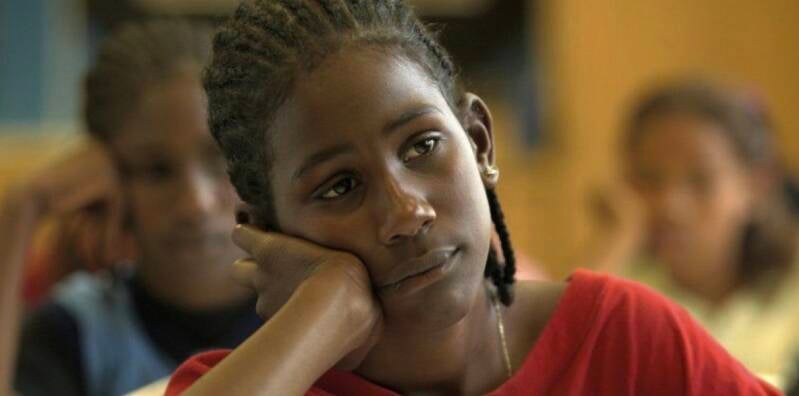
Quiet coping can hide real need
What Adults Can Reflect On
Adults cannot remove bias completely.
But they can become more aware of it.
They can ask:
- Am I responding to behaviour or to need?
- Do I give more time to some children than others?
- Who do I assume is “fine”?
- Who do I find harder to support — and why?
- Am I adjusting expectations based on perception?
Because awareness is where change begins.
Awareness helps shift how support is given

Support is not always given equally
What This Means For Support
If access to support is influenced by likeability, then it is not fully equitable.
Support should not depend on:
- how easy a child is to manage
- how polite they appear
- how well they mask
- how comfortable they make adults feel
I also saw this at a system level in high school.
I was fully mainstreamed, but I was not given full-time support.
I was seen as independent.
I could manage.
But that didn’t mean I didn’t need support.
It meant I had learned how to cope without it.
And that difference matters.
Because access to support should not be shaped by how a child appears on the surface.
It should be shaped by what they need underneath.
Access should be based on need — not how capable a child appears

What adults notice is not the full picture

What I needed was not always what people saw
Closing Reflection for Parents and Educators
Some children are not receiving less support because they need less.
They are receiving less support because their need is less visible.
And some children are not receiving more support because they need more.
They are receiving it because their behaviour is more visible.
That is where bias can quietly shape access.
Because support should not depend on how a child is perceived.
It should depend on what they need.
If this is something you are reflecting on, I am also creating a simple Bias Check in Support resource — designed to help adults notice when support decisions may be influenced by perception, behaviour, or likeability rather than actual need.
Because awareness is where change begins.
Every child deserves support that reflects their needs — not their labels
Add comment
Comments