Awareness should never comes at the expense of a child’s dignity.
When Understanding Turns Into Exposure
Sometimes adults try to create understanding.
They explain.
They raise awareness.
They help peers “understand difference.”
And often, the intention is good.
But when the explanation centres one child too publicly, something can shift.
A child stops feeling supported.
And starts feeling exposed.
Understanding should not require a child to feel on display

Visibility can feel very different when the child becomes the story
When Visibility Feels Too Heavy
I remember my first day of high school.
I was already emotional about starting a school where I didn’t know anyone.
And that morning, there was a newspaper crew at my house.
Looking back, I think people saw it as a positive story.
But at the time, it felt like one more layer of visibility when I was already overwhelmed.
Sometimes adults focus so much on awareness that they forget what it feels like to actually live inside that attention.
Visibility can feel very different from the inside

Understanding should not require a child to feel on display
When Awareness Becomes Exposure
In primary school, students in the support classes were often used in newspaper stories for the school.
The intention was usually positive.
It was presented as awareness.
Inclusion.
Publicity for the programs.
But over time, it started to feel uncomfortable.
Because some students were chosen more than others.
And eventually, it began to feel less like inclusion and more like visibility being rewarded.
Some students would become upset when they were not picked.
Sometimes the focus was not really on the students themselves.
It was on what their presence represented for the school.
The image of inclusion.
The story of inspiration.
The feeling of doing something good.
But children are not symbols.
And they should not have to become publicly visible in order for inclusion to feel meaningful.
Looking back, I think that says a lot about what happens when children become part of a public image before they fully understand what that means.
Because support should never become a popularity contest.
Children deserve dignity — not to become symbols of inspiration

Even kind explanations can feel exposing when they happen publicly
The Difference Between Exposure and Understanding
Exposure says:
“Look at this child so you can understand.”
Understanding says:
“Let’s build a classroom where difference is normal.”
Exposure makes one child visible.
Understanding changes the culture around them.
That difference matters.
Because inclusion is not just about peers knowing more.
It is about the child feeling safer.
Sometimes awareness crosses a line when a child stops being seen as a person first.
Instead, they become a story people feel good about sharing.
But inclusion should not depend on making children publicly inspirational.
It should depend on whether they feel safe, respected, and genuinely included.
The goal is not attention — it is understanding

Peers noticed difference — adults shape what it means
When Peers Notice Support
Children notice more than adults realise.
They notice who gets help.
Who leaves the room.
Who has different rules.
Who is corrected, supported, or explained.
And when adults do not handle that carefully, curiosity can become attention.
Attention can become discomfort.
And discomfort can become distance.
Peers Notice difference — adults shapes what it means
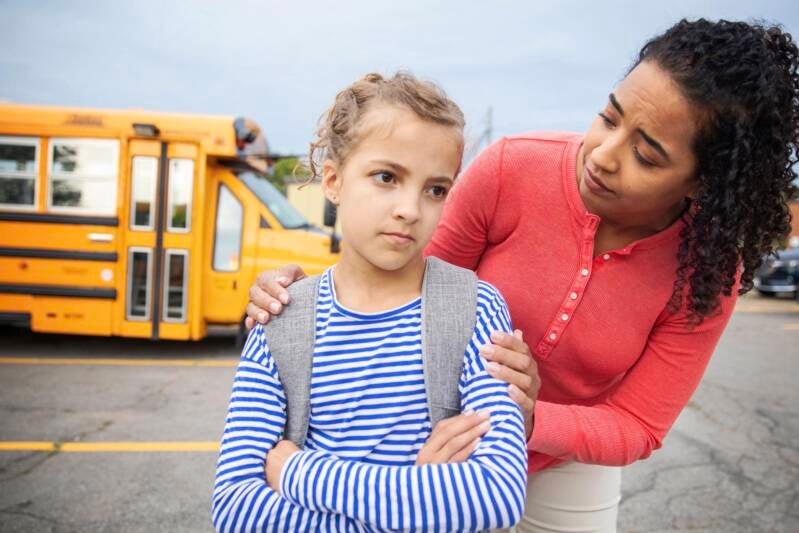
Sometimes attention arrives before safety
Being Pointed Out In Class
Sometimes children are pointed out with good intentions.
To explain why something is different.
To help others be kind.
To stop questions before they begin.
But even gentle explanations can feel heavy when they happen publicly.
Because children know when attention has shifted toward them.
They know when they are being discussed.
And they know when the room has changed.
Even kind explanations can feel exposing when they happen in public

Participation should not come at the cost of dignity
When Support Becomes Public
One of my accommodations in high school was completing written assignments instead of oral presentations because of my speech impediment.
Most teachers understood that.
But one term, I had a replacement teacher who insisted I complete the oral assessment anyway.
I remember feeling extremely anxious that day.
And I still remember hearing some classmates giggling while I was speaking.
What stayed with me was not only the embarrassment.
It was the feeling of being made visibly different in front of everyone else.
Because support is not only about participation.
It is also about protecting dignity while a child participates.
Support should never come at the cost of humiliation

Dignity often starts with checking privately first

Classrooms can learn inclusion without making one child carry it
What Adults Can Do Instead
Adults can build understanding without centring one child.
They can:
- teach inclusion generally
- normalise different needs without naming one student
- answer peer questions respectfully and briefly
- check privately with the child first
- model language that protects dignity
Classrooms can learn inclusion without making one child carry it
Protecting Dignity in the Classroom
Protecting dignity does not mean hiding support.
It means thinking carefully about how support is explained, delivered, and discussed.
It means asking:
Does this need to be said publicly?
Does this child have a choice?
Is this protecting their privacy?
Is this helping the class understand — or making one child stand out?
Because support should never require a child to lose ownership of their own story.
Support should protect privacy as much as participation
Reflection For Parents and Educators
Children should not have to become examples in order for others to understand them.
They should not have to be pointed out so others can learn kindness.
And they should not have to trade privacy for support.
Because dignity matters.
Privacy matters.
And inclusion should make children feel safer — not more exposed.
If this is something you are reflecting on, I am also creating an Explaining Disability with Dignity resource — focused on how adults can build understanding in classrooms without making one child carry the weight of awareness.
Because children deserve understanding that protects both dignity and privacy.
Awareness should never come at the expense of dignity

Children deserve understanding that protects both dignity and privacy.
Add comment
Comments