When routine disappears, belonging can feel quieter too.
When Holidays Do Not Feel The Same For Everyone
People often talk about school holidays as a break.
A chance to rest.
Recharge.
Slow down.
And sometimes they are.
But school holidays are not experienced the same way by every child.
For some children, holidays feel freeing.
For others, they can quietly highlight changes in connection, routine, belonging, and independence.
Because when school routines disappear, other things can shift too.
Structure.
Predictability.
Social connection.
Support.
A sense of belonging.
The absence of school does not always feel the same for every child.
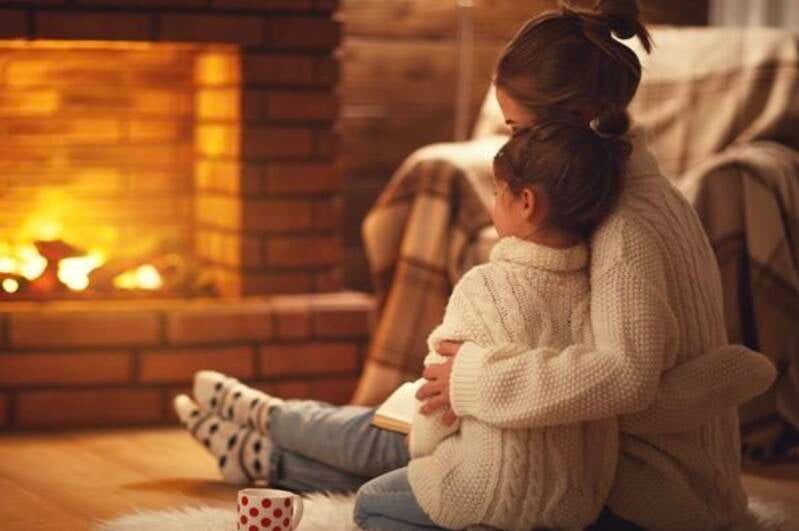

School holidays do not feel the same for every child
When Holidays Felt Safe
In primary school, school holidays did not really feel lonely for me.
They actually felt like a break.
Mum always had activities planned.
My cousins were usually around.
And after school and therapy sessions, holidays felt like time where I could finally relax.
Looking back, I think holidays often felt emotionally safer than school itself.
The harder part was usually returning.
Going back to school often felt emotional and overwhelming again.
Sometimes holidays safer than the environments children are returning to.
Sometimes holidays feel safer than the environments
children are returning to.
When Connection Started Changing
In primary school, our parents had often helped organise opportunities for us to meet up.
At the beginning of high school, I still caught up with some of my friends from primary school.
But as interests shifted, friendships changed, and everyone’s lives moved in different directions, those connections slowly faded.
That was when I began to notice how much belonging can depend on adults creating opportunities — until young people are expected to manage those connections themselves.
Even in early high school, holidays still felt like time where I could just be myself.
Before I had close friendships, there was less social pressure.
But as I got older, things slowly started to shift.
My friends became more independent.
They started working.
Going out more often.
Making plans more spontaneously.
And I could not always be part of that in the same way.
Belonging can change quietly as social life changes around
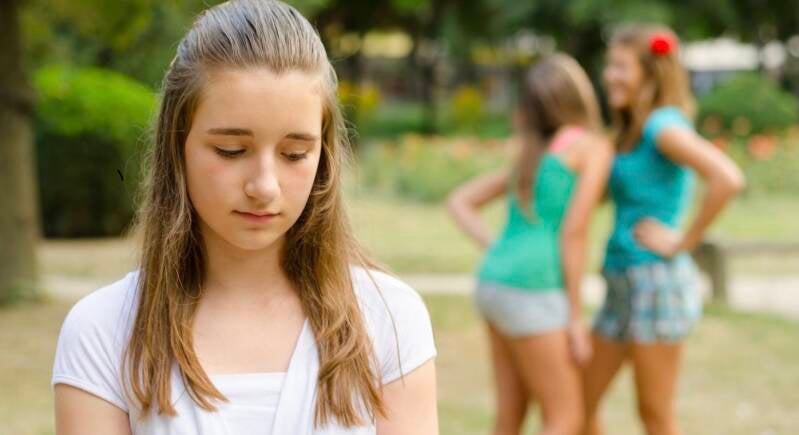

Belonging can feel easier when connection still feels familiar
The Difference Between Being Included and Keeping Up
In Year 9, friendship still felt easier to hold onto.
One day might be going to the movies.
The next day, friends would come to my house to swim or go shopping.
But I also needed recovery time.
There were days where I needed quiet after socialising.
And as everyone became busier, those gaps slowly became more noticeable.
By Year 11, things had changed more.
Sometimes holidays became one movie day during the break instead of regular time together.
My cousins were also getting older and doing their own thing.
And I became more aware of what I could not keep up with socially.
Not always because people were intentionally excluding me.
But because life was moving differently around me.
Sometimes loneliness is not sudden — it is the gradual feeling of falling out of rhythm with everyone else
Sometimes loneliness is the feeling of falling out of
rhythm of without else
When Support and Structure Disappears
During school terms, life often has rhythm.
Wake up times.
Familiar people.
Predictable expectations.
Regular contact.
And even when school is difficult, that rhythm can still create structure.
But holidays can disrupt that suddenly.
Sleep shifts.
Routine changes.
Motivation fluctuates.
Capacity becomes less predictable.
For some children and teenagers, that loss of structure can feel emotionally unsettling.
Routine often holds more emotional safety than people realise.


Recovery time is time of belonging.
What Adults Can Miss
Adults sometimes focus on whether a child is “doing enough” during holidays.
Going out enough.
Socialising enough.
Being productive enough.
But sometimes the deeper question is:
Does this child still feel connected somewhere?
Because belonging is not only built through big social moments.
It is built through consistency.
Through familiar people.
Predictable contact.
Feeling remembered.
Connection often matters more than activity.
When routine disappears, emotional safety can shift too.
Supporting Belonging During School Holidays
Support does not need to look big to matter.
Sometimes it is:
- one familiar message
- one planned meet-up
- one trusted adult checking in
- one predictable routine staying in place
- one person continuing contact outside school
Because belonging often weakens quietly.
And it can also be protected quietly too.
Small moments of consistency can protect belonging.

Sometimes loneliness is not about being alone — it is about feeling out of step with the world around you.

Small moments of consistency can protect belonging
Closing Reflection for Parents and Educators
School holidays are not always lonely because children are physically alone.
Sometimes they feel lonely because the routines, people, and structures that supported belonging become quieter for a while.
And sometimes growing up means becoming more aware of the social rhythms you cannot always keep up with.
Not because you do not care about connection.
But because capacity, independence, access, and energy do not always move at the same pace for everyone.
Because sometimes loneliness is not about isolation.
It is about feeling out of step with the world moving around you.
If this is something you are navigating, I am also creating a simple Holiday Connection Check resource focused on protecting connection, routine, recovery, and belonging during school breaks — without adding pressure.
Because small moments of consistency can matter more than people realise.
When routine disappears, some children lose more than structure.
Add comment
Comments