Because transition is about more than finding your classroom.
More Than a New School
Starting high school is often described as an exciting milestone.
New subjects.
New teachers.
New opportunities.
For many children, it is all of those things.
But beneath the excitement is another transition that adults do not always see.
The transition from being known to becoming unknown.
From familiar routines to unfamiliar ones.
From feeling recognised to wondering where you fit.
For many children, especially those with disability, high school is not simply a new school.
It is a completely new world.
Starting high school is not just about finding classrooms. It is about finding somewhere you belong.

Sometimes children are not afraid of change itself. They are afraid of losing the people who helped them feel safe.
From Known to Unknown
Primary school often gives children something they do not realise they have.
Adults who know them.
Teachers who understand how they learn.
Peers who recognise their personality.
Support that has developed over years.
High school often resets all of that.
Children find themselves introducing who they are over and over again.
Some do it with words.
Others do it simply by trying to get through each day.
Being known is not only about people recognising your name.
It is about feeling understood.
And that feeling takes time to rebuild.
Being known can make a child feel safe long before any adjustment does.

A bigger school can make a child feel smaller.
Bigger Schools, Bigger Social Worlds
One thing that surprised me was not only how much bigger the school was.
It was how much bigger the social world became.
Hundreds of students.
Different friendship groups.
Busy corridors.
Changing classrooms.
Lunchtimes where everyone seemed to know exactly where they belonged.
My classmates did not really understand my disability.
Looking back, I do not think they were trying to be unkind.
But at the time, I could not understand why making friendships felt so much harder for me than everyone else.
I wanted connection desperately.
Like many children starting high school, I was not simply looking for friends.
I was looking for somewhere I felt safe enough to belong.
Belonging does not happen automatically just because children share the same playground.
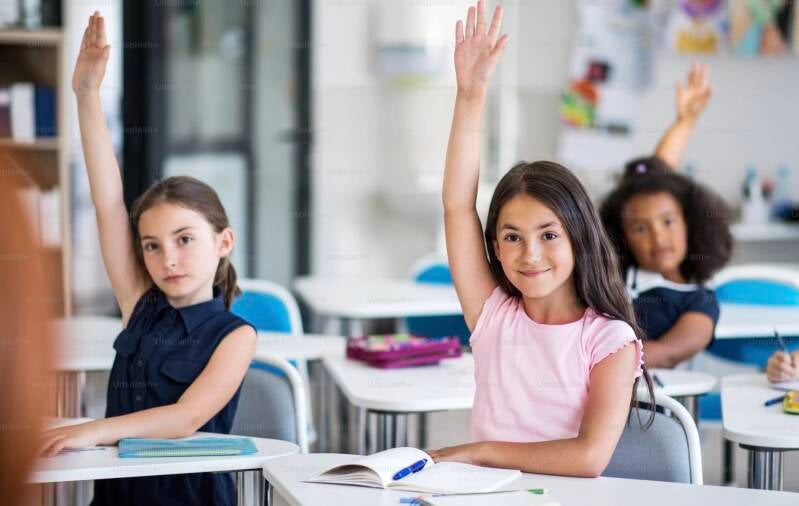
Every new classroom can mean another adult learning how a child works.
What Schools Can Miss
Schools often work hard to prepare children for high school.
Orientation days.
Timetables.
Maps.
Lockers.
But transition is not only about preparing the child.
It is also about preparing the environment.
Children should not have to spend their first term teaching everyone else how to include them.
When schools understand the child before expecting the child to adapt to the school, transition becomes more than successful.
It becomes welcoming.
The responsibility for a successful transition belongs to the whole school, not just the child.
Sometimes one safe person is enough to change a child’s whole experience of school.
Closing Reflection for Parents and Educators
Preparing for high school is about much more than buying a new uniform or learning how to read a timetable.
It is about helping children feel safe in a place where almost everything is unfamiliar.
When children know where to go, who they can trust, and that they belong, the transition becomes more than manageable.
It becomes meaningful.
If your family is preparing for this next step, I have also created a new mini resource for my email subscribers called First Weeks Survival Guide.
It is designed to help students navigate those early weeks of high school with practical ideas, gentle encouragement, and reminders that belonging takes time.
Because the goal is not simply to help children get through their first few weeks.
It is to help them believe they have a place there.
The goal is not simply to help children start high school. It is to help them believe they have a place there.

Starting high school is not just about finding classrooms. It is about finding somewhere you belong.
Leaving Familiar Faces
People often assume leaving primary school is the hardest part.
For me, it was actually a relief.
My parents decided to stop all of my therapies so I could focus on settling into high school and my education. After years of appointments, it finally felt like I had space to simply be a student.
But on my first day, I quickly realised something I had not expected.
I was the only student with a disability in a very large high school.
There were no familiar teachers who already knew me.
No support class.
No staff who understood how I learned.
Apart from the students in the buddy program, I did not know anyone. They were not people I already knew. They were simply students from my year who had been assigned to the program.
The school was bigger.
Busier.
And nobody had really thought about what it would be like to navigate those crowded corridors in a wheelchair.
Looking back, I realise I was not only learning a new school.
I was grieving the feeling of being known.
Sometimes children are not afraid of change itself. They are afraid of losing the people who helped them feel safe.
Being known can make a child feel safe long before any adjustment does.
When Everyone Is Learning
Being the first student with a disability at my high school was a learning experience for everyone.
The teachers were learning.
The students were learning.
And so was I.
I remember the hesitation from some teachers.
They were not always sure what I was capable of.
Or when I needed my accommodations.
One day my buddy and I arrived late to class because we had to take the longer accessible route across the school.
We still received detention.
The rule had been applied equally.
But my circumstances had not been understood.
Looking back, I do not believe anyone intended to be unfair.
The school was learning.
But while everyone else was learning how to include me, I was living the consequences of those lessons.
Sometimes inclusion is not limited by a lack of care. Sometimes it is limited by a lack of understanding.

Sometimes the hardest lesson is helping other people understand you.
Different Teachers, Different Expectations
One part of high school that I genuinely loved was having different subjects.
I enjoyed learning new things.
But moving from one primary school teacher to many subject teachers brought challenges I had not expected.
In primary school, my teacher had years to get to know me.
In high school, every classroom meant another adult learning how I worked.
Each teacher had different expectations.
Different teaching styles.
Different assumptions about what I could or could not do.
Some practical subjects were especially difficult because the activities were not always designed with my physical disability in mind.
I was not just learning new subjects.
I was constantly teaching people how to teach me.
That is a hidden part of transition many children carry.
Learning becomes harder when you are also responsible for helping others understand your needs.
Sometimes the hardest lesson is not the one on the timetable. It is helping other people understand you.
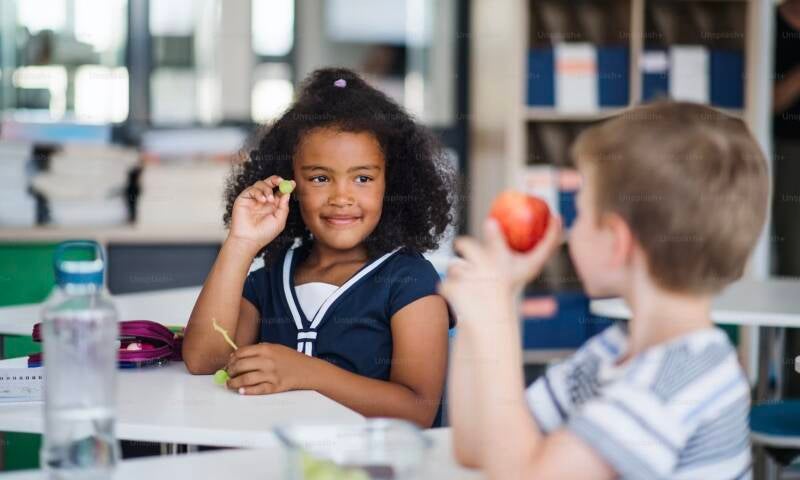
Belonging does not happen automatically just because children share the same playground.
Finding Safe People
Every child benefits from knowing there is someone they can turn to.
A teacher.
A year adviser.
A teacher aide.
An office staff member.
A librarian.
A trusted peer.
Safe people do not remove every challenge.
But they remind children they do not have to face those challenges alone.
Often, belonging begins with one person who sees you.
Sometimes one safe person is enough to change a child’s whole experience of school.
The goal is not simply to help children start high school.
It is to help them believe they have a place there.
Add comment
Comments