How honest encouragement helped me build confidence without ignoring my limits.

Real encouragement grows confidence without ignoring capacity.
Every Child Needs Different Encouragement
No two children need encouragement in exactly the same way.
One child may need reassurance to take the first step.
Another may need permission to stop and rest.
Another may simply need someone to notice that they have already tried their best.
Encouragement is not about expecting every child to reach the same destination.
It is about helping each child grow from where they are.
When adults understand the child before setting the expectation, encouragement becomes something children feel safe receiving.
The best encouragement starts with knowing the child, not the goal.

The best encouragement gives children room to discover what is possible.
Giving Children a Voice
Encouragement is also about trusting children with their own lives.
When I was seven or eight years old, my parents sat me down and explained they were considering taking the hospital where I was born to court.
They also explained what that would mean.
Doctors in South Africa would need to examine me.
I would spend months away from my dad and grandparents.
I would probably repeat a year at school.
I asked Mum one question.
“Will it fix me?”
She answered honestly.
“No. It won’t fix you. It may make you more comfortable in the future.”
I thought about it.
Then I said no.
That was the end of the conversation.
Looking back, I realise how much trust my parents placed in me.
I was only a child.
Yet they believed my voice mattered.
Children do not need to make every decision.
But they deserve to be part of conversations that shape their lives.
Respecting a child’s voice is one of the greatest forms of encouragement.
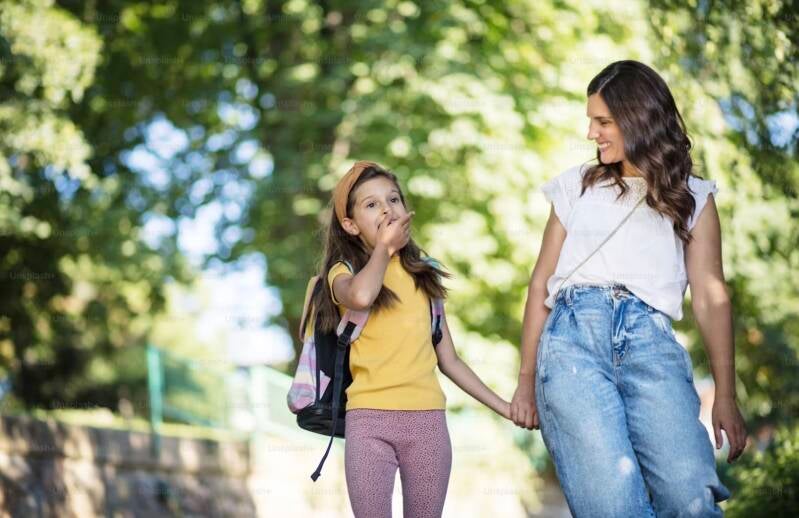
Sometimes the greatest encouragement is opening the door and trusting children to find their own way.
The Quiet Pressure Children Carry
Even when adults encourage children in healthy ways, some children still place pressure on themselves.
I know I did.
Not because my parents expected perfection.
They never did.
But I was their only child.
I saw how hard they advocated for me.
How much they believed in me.
How many doors they worked to open.
Without anyone ever saying it, I quietly decided that I could not let them down.
Looking back, I realise that pressure came from me, not from them.
It reminds me that many children carry invisible expectations that adults never intended to create.
Sometimes the children who seem the most determined are also carrying the greatest fear of disappointing the people they love.
Some of the greatest pressure children carry is the pressure they quietly place on themselves.

Encouragement is not measured by achievement. It is measured by how safe children feel to grow.
Closing Reflection for Parents and Educators
Looking back, I do not think the greatest gift my parents gave me was confidence.
It was safety.
I knew I could try.
I knew I could fail.
I knew I could change my mind.
I knew my worth was never measured by what I achieved.
That is the kind of encouragement I hope every child experiences.
Encouragement that says,
“I believe in you.”
Not because of what you achieve.
But because of who you are.
If this is something you have been reflecting on, I have also created a companion resource for my email subscribers called Believing in the Child.
It explores how parents, educators, and support professionals can communicate belief in ways that build confidence without creating pressure, while helping children feel seen, valued, and safe enough to discover their own capacity.
Because children do not need adults who expect them to be limitless.
They need adults who believe in them while making room for who they are today.
The best encouragement begins by believing in the child, not just their potential.
More Than “You Can Do Anything”
Encouragement is often described as believing children can do anything.
“Keep trying.”
“Don’t give up.”
“You’ve got this.”
Those words can be powerful.
But encouragement is about much more than motivating children to keep going.
It is about understanding who they are.
Recognising their strengths.
Respecting their limitations.
And helping them discover what is possible without making them feel they have something to prove.
Every child has a different capacity.
The best encouragement makes room for that.
Real encouragement grows confidence without ignoring capacity.

The best encouragement starts with knowing the child, not the goal.
Encouragement Made Room for Me
For as long as I can remember, my parents were honest with me about my disability.
I always knew there would be things I could do.
I also knew there would be things that would be difficult.
But they never discouraged me from trying.
Sometimes they quietly wondered whether something might be beyond my capacity.
They still let me have a go.
Sometimes I surprised all of us.
Other times, they could see I was becoming overwhelmed.
That was when they stepped in.
Not because they had stopped believing in me.
Because they understood there was a difference between helping me grow and asking me to carry more than I could manage.
Looking back, I realise they gave me something far more valuable than success.
They gave me the freedom to discover my own capacity.
Children build confidence by discovering what they can do—not by constantly proving it.

Respecting a child’s voice is one of the greatest forms of encouragement.
Opening Doors Without Taking Over
Encouragement is not about doing everything for children.
It is about helping them reach a place where they can do more for themselves.
Education mattered deeply in our family.
When therapists regularly took me out of class during primary school, my mum questioned whether that was helping.
She believed my education mattered just as much as my therapy.
Later, when it was time to choose a high school, many people believed mainstream education was not the right place for me.
My mum believed differently.
She believed I could reach both my academic and social potential.
She advocated until the door opened.
Then she gradually stepped back and let me find my own feet.
Looking back, that balance was one of the greatest gifts she gave me.
She helped me until I was on steady ground.
Then she trusted me to keep walking.
Sometimes the greatest encouragement is opening the door and trusting children to find their own way.
Belief should make children feel safe, not responsible for proving themselves..
Looking Beyond Achievement
We often measure encouragement by what children achieve.
But perhaps we should measure it differently.
Did the child feel safe enough to try?
Did they feel safe enough to say something was too hard?
Did they learn something about themselves?
Did they know they were valued whether they succeeded or not?
That is the kind of encouragement children remember.
Not because it demanded more from them.
But because it helped them believe they were enough while they continued to grow.
The best encouragement gives children room to discover what is possible.
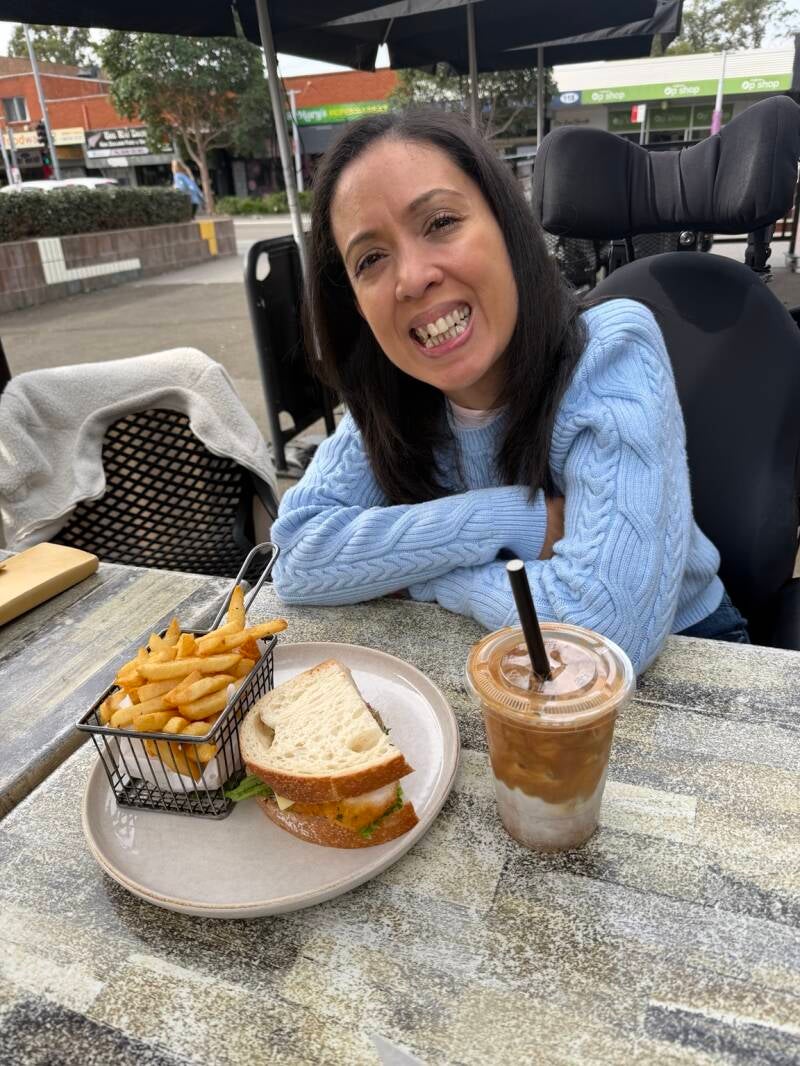
The best encouragement begins by believing in the child, not just their potential.
Add comment
Comments