When friendship changes without anyone doing anything wrong.
When Friendship Changes Quietly
Friendship is often talked about as though it ends with an argument.
Someone is left out.
Someone says something hurtful.
Someone decides to walk away.
But many friendships do not end that way.
Sometimes they simply change.
Children grow.
Schools change.
Interests change.
Lives become busier.
And the friendship that once felt effortless begins to look different.
Because there is no obvious ending, children often struggle to understand what they are feeling.
There is no fight to explain the sadness.
No apology to make things right.
Just the quiet realisation that something has changed.
That loss can be just as real.
Not every friendship ends because someone did something wrong.
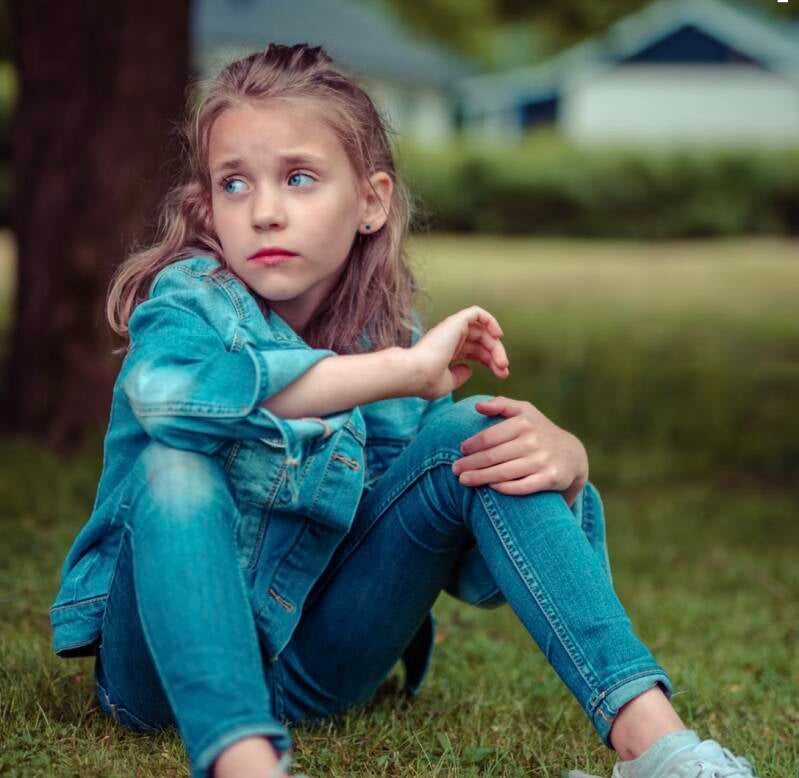
Sometimes children are grieving the loss of their familiarity as much as friendship itself.
Growing in Different Directions
One of the hardest parts of growing up is discovering that friendships rarely stay exactly the same.
As children become teenagers, their worlds naturally expand.
New interests develop.
Different opportunities appear.
Friendship groups change.
Children begin discovering who they are outside the friendships they once depended on.
None of that means somebody has done something wrong.
It simply means people are growing.
At first, I still spent weekends and school holidays with my primary school friends.
But high school became busier.
My workload increased.
At the same time, my friendships at high school were growing.
I found myself trying to balance two friendship groups and two different parts of my life.
Eventually, I realised I could not give both groups the same amount of time.
I chose to invest more in my high school friendships.
My primary school friends were hurt by that decision.
I understood why.
Looking back, I do not think anyone was wrong.
We were simply growing in different directions.
Sometimes friendship changes because children are becoming the people they are meant to become.
Growing apart does not erase what a friendship once meant.

Sometimes friendships change because life begins asking different things of each person.
Some Friendships Simply Change Shape
When friendships become less frequent, it is easy to assume they have ended.
But not every friendship disappears.
Some simply become quieter.
Life becomes busier.
People take different paths.
The friendship may no longer look the way it once did, yet the connection remains.
There was one girl from high school who was always kind and understanding of my disability.
During school we spent time together over the holidays and on the occasional weekend.
By our final years of school, she had become part of another friendship group.
I honestly thought our friendship would end after school.
Instead, she kept reaching out.
She stayed in touch.
Today, we are still friends.
That friendship reminded me that change does not always mean loss.
Sometimes it simply means the friendship has found a new shape.
Some friendships last because they learn how to grow alongside change.

Children do not always need solutions first. Sometimes they need their feelings recognised.
Closing Reflection for Parents and Educators
Looking back, I realise I wasn’t grieving one friendship.
I was grieving many different kinds of change.
Leaving people who already understood me.
Trying to find where I belonged.
Watching independence reshape our lives.
Learning that some friendships quietly fade while others simply become different.
Those experiences taught me that friendship is not measured by how long it lasts.
It is measured by how deeply it shapes us while it is part of our lives.
If your child is preparing for high school—or already finding that friendships are changing—I have also created a companion resource for my email subscribers called Preparing Children for Changing Friendships.
It explores how to help children understand that friendships naturally grow, change, and sometimes drift apart without anyone being at fault. It also offers gentle ways to prepare children for the reality that sharing the same high school does not always mean sharing the same friendships.
Because friendship changes are part of growing up.
Children deserve support to navigate those changes with honesty, compassion, and hope.
Not every friendship is meant to last forever. But every friendship can leave something valuable behind.

Not every friendship ends because someone did something wrong.
Friendship Grief Is Still Grief
When children grieve friendships, adults often look for a problem to solve.
“Did you have a fight?”
“Have you tried talking to them?”
“You’ll make new friends.”
But friendship grief does not always come from conflict.
Sometimes it comes from transition.
A new school.
Different routines.
New friendship groups.
Or simply growing older.
Children may still care deeply about someone while recognising that the friendship no longer feels the same.
That can be confusing because nothing has gone wrong.
When I left primary school, all of my friends went to the same high school.
We all had disabilities, and there was a level of understanding between us that never needed explaining.
We understood each other’s communication.
We understood what support looked like.
We understood how to navigate school together.
Starting a different high school meant leaving behind people who already knew me.
Looking back, I wasn’t only missing my friends.
I was missing the comfort of being understood.
Many children experience that same feeling during transition.
Sometimes they are grieving familiarity just as much as friendship.
Sometimes children are grieving the loss of familiarity as much as the friendship itself.

Growing apart does not erase what a friendship once meant.
When Independence Changes Relationships
As children grow older, independence often changes the shape of friendships.
Some teenagers begin working.
Some start driving.
Some join sporting teams.
Others spend more time with friends outside school.
For children with disability, those milestones may happen differently.
That does not mean they are behind.
It simply means their pathway looks different.
Those differences can quietly reshape friendships, even when the care between friends remains.
As the years went on, my friends began building lives outside school.
They had part-time jobs.
More freedom.
New friendship circles.
They could make spontaneous plans.
My life looked different.
I still needed support to get to events.
Some places were inaccessible.
Many outings needed planning before I could even say yes.
Nobody was excluding me.
Nobody had stopped caring.
Life was simply moving at different speeds for each of us.
Sometimes friendships change because circumstances change.
Not because people stop caring.
Sometimes friendships change because life begins asking different things of each person.

Some friendships last because they learn how to grow alongside change.
Helping Children Navigate Friendship Change
When children talk about changing friendships, adults often focus on helping them make new ones.
While new friendships are important, children also need permission to grieve the old ones.
They need someone to recognise that missing a friendship does not mean they are living in the past.
It means that relationship mattered.
Simple responses can make a difference.
“It’s okay to miss how things used to be.”
“Friendships sometimes change.”
“That doesn’t mean they weren’t real.”
“You can miss someone and still be excited about meeting new people.”
Helping children name friendship grief helps them understand that change is a normal part of growing up.
It also reminds them that one changing friendship does not define every friendship they will have.
Children do not always need solutions first. Sometimes they need their feelings recognised.
Not every friendship is meant to last forever. But every friendship can leave something valuable behind.
Add comment
Comments