Friendships are not simply an enjoyable part of childhood. They give children opportunities to make choices, navigate disagreements, build trust, discover who they are and learn what they want from relationships.

Friendship gives children more than someone to spend time with. It gives them experiences through which they learn about relationships, other people and themselves.
Friendship Gives Children Somewhere to Practise Social Decisions
Children cannot learn everything about relationships by being taught social skills.
At some point, they have to make real decisions involving real people.
One of my first major arguments with a friend happened after I had moved from primary school to high school.
A close friend from primary school and I had gone to different high schools, but we still saw each other on weekends and during the school holidays. At the same time, my social world at high school was beginning to expand.
Then my primary-school friend and one of my high-school friends had parties on the same night.
I really wanted to attend my high-school friend’s party, but I knew my primary-school friend would be upset if I didn’t attend hers.
My mum didn’t tell me which party I should choose. She told me to take my time and make the decision myself.
Eventually, I chose the high-school party.
My primary-school friend was extremely upset, and after that we barely spoke again.
It was painful, but it was also part of learning that making your own social decisions doesn’t mean everyone will be happy with them.
Sometimes there isn’t a choice that keeps everybody happy.
Sometimes our choices have consequences for relationships.
Children with a disability need opportunities to learn this too—not through adults deciding what the safest social choice is, but through having enough ownership of their social lives to make real decisions.
Friendship gives children opportunities to make decisions that matter because the relationships matter.
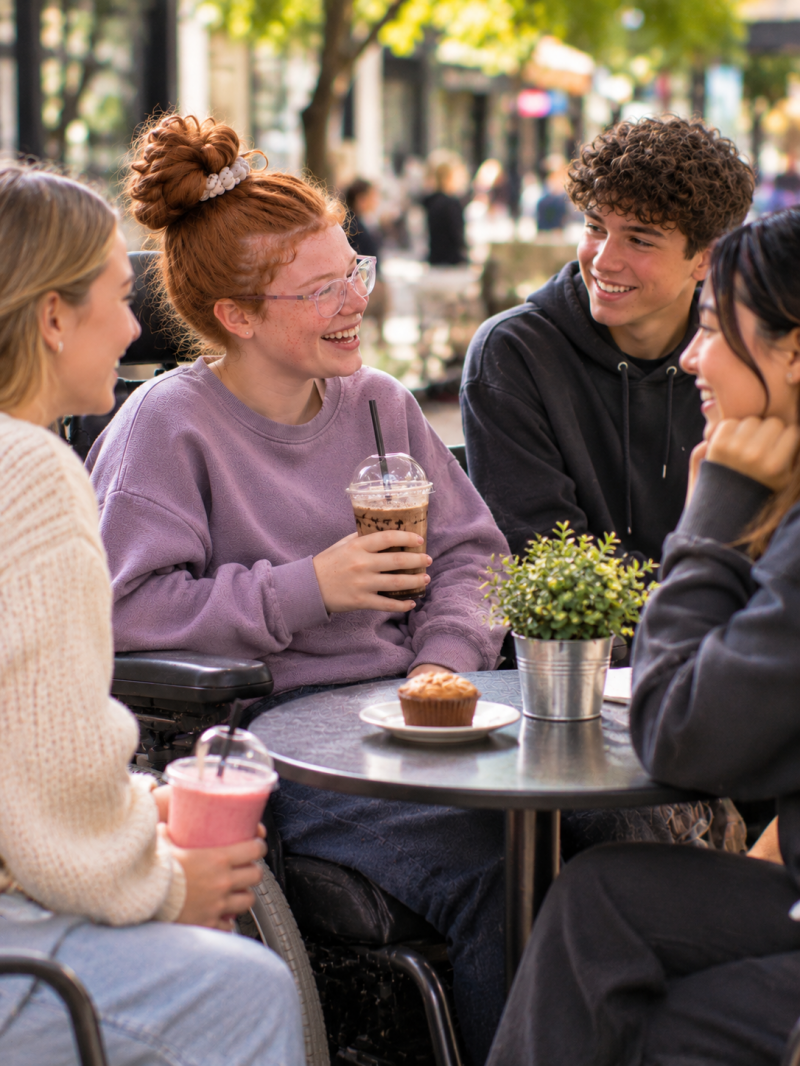
There is a different kind of belonging in knowing you don’t have to keep proving why you deserve a place in the group.
Friendship Teaches Us How to Navigate People We Wouldn’t Choose
Real social development doesn’t only happen through relationships with people we naturally connect with.
Sometimes it comes from learning how to exist alongside people we find difficult.
There was a girl in my high-school friendship group who my teacher aide didn’t like.
She didn’t really understand my disability, and interacting with her could be exhausting.
But she was part of my friendship group.
For me, it wasn’t as simple as deciding that I didn’t want to be around her. I felt that if I rejected her, I risked losing the other friendships that were important to me.
So I had to navigate the situation.
That is something children encounter in ordinary social life all the time.
A friend has another friend you don’t particularly like.
Someone doesn’t understand you.
Personalities clash.
A group dynamic isn’t perfect.
Adults can support children through these situations, particularly when something becomes harmful or unsafe. But trying to remove every difficult relationship can also remove opportunities to learn how social relationships actually work.
For children with a disability, there can be an added temptation for adults to manage those relationships for them.
Protection matters.
But so does having the opportunity to decide which imperfections you can live with, where your boundaries are and when a relationship really has become too costly.
Social development includes learning that relationships do not have to be perfect to be meaningful.
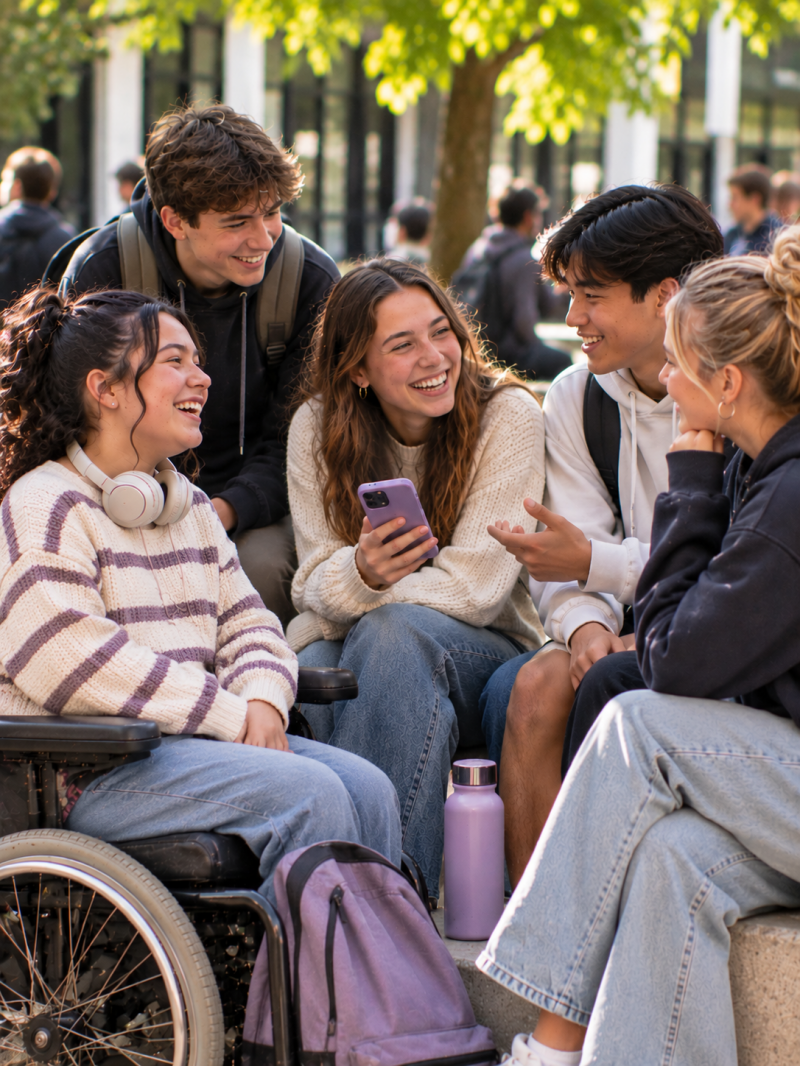
Friends can know parts of a child that support plans never capture their humour, opinions, interests, preferences and the person they are becoming.
Social Independence Includes Being Allowed to Try
As my high-school friends got older, they naturally began gaining more freedom.
I wanted that too.
At one point, I wanted to join a social group for people with a disability.
My parents didn’t think it would work for me.
I disagreed.
I insisted that I wanted to try, and they let me.
In the end, they were right that the group wasn’t a good fit.
But I needed the opportunity to discover that myself.
I spent about a year trying to make it work. I kept trying to find my place, but I never really felt that people were letting me in.
Eventually, I was the one who said I had had enough.
That experience wasn’t meaningless simply because the social group didn’t work out.
There was value in being allowed to try.
There was value in discovering for myself that I didn’t belong there.
And there was value in being the person who eventually decided to stop trying.
We often talk about independence for children with a disability in practical terms—completing tasks, travelling somewhere, managing personal care or needing less physical assistance.
But there is also social independence.
Choosing where you want to go.
Deciding who you want to spend time with.
Trying something your parents aren’t convinced about.
Discovering they may have been right.
And still having ownership over the experience.
Independence isn’t only making the right choice. Sometimes it is being allowed to discover for yourself that a choice wasn’t right for you.

Caring about a friend can mean helping them find their way. It doesn’t mean becoming responsible for whether they find their place.
Children Need Access to the Difficult Parts of Friendship Too
When we want children to be included, it is understandable that we focus on positive experiences.
Invitations.
Friendship groups.
Kindness.
Belonging.
But some of the developmental value of friendship comes from the parts we would never deliberately create for a child.
An argument.
Someone being upset with you.
Choosing between people.
Realising a friendship no longer fits.
Trying to belong somewhere and eventually deciding to leave.
Learning to navigate someone you find difficult.
Learning that you can care about somebody without becoming responsible for them.
These experiences can hurt.
Children need adults who notice when support is required and who step in when situations become unsafe.
But protecting children with a disability from every social difficulty can also unintentionally protect them from experiences their peers are using to develop.
The goal isn’t to manufacture hardship.
It isn’t to leave children unsupported when they’re struggling.
It is to recognise the difference between supporting a child through a social experience and taking the experience over for them.
Sometimes adults need to help.
Sometimes they need to listen.
And sometimes they need to leave enough room for the child to work out what they think, what they want and what they are going to do next.
Equal access to friendship also means having room to experience some of its ordinary difficulties.
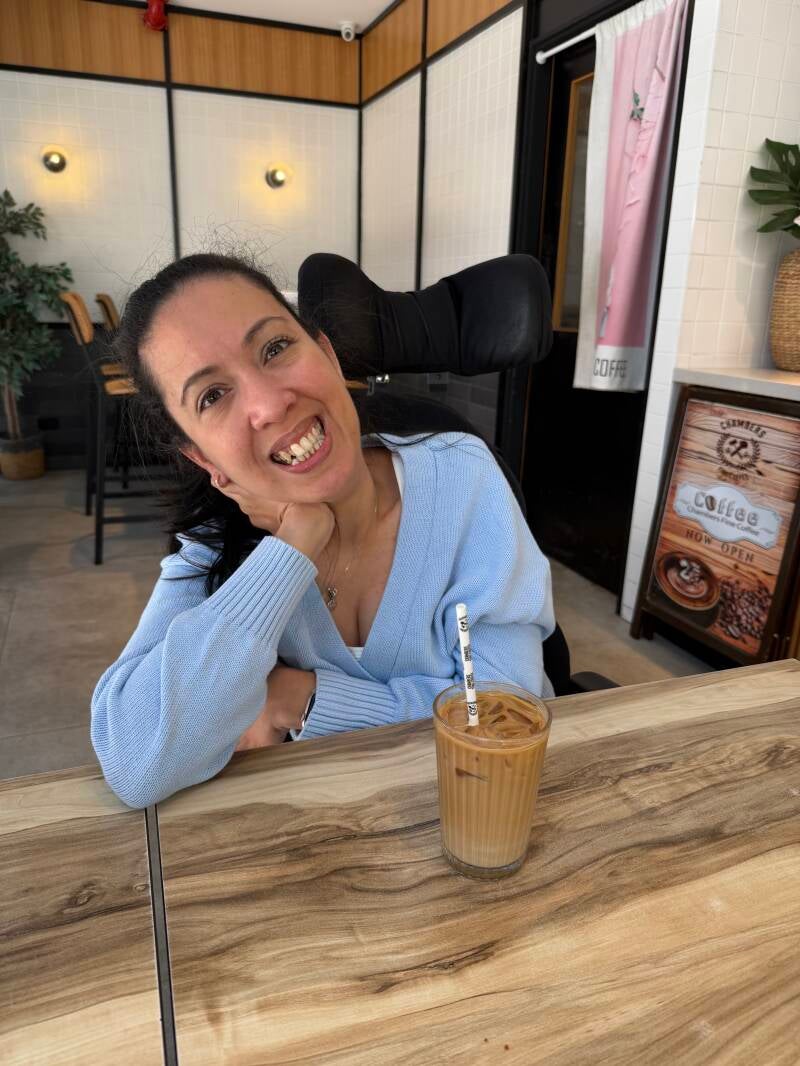
My friendships didn’t last, and they didn't all work the same way. But through them I learned about belonging, choices, boundaries, independence and the kind of relationships I wanted in my life.
Friendship Is Part of How Children Grow
When we talk about friendship for children with a disability, the conversation often begins with inclusion.
Do they have friends?
Are they invited?
Are they included at lunchtime?
Do they have someone to spend time with?
Those questions matter. But friendship gives children much more than company.
Through friendships, children learn how to disagree with someone they care about. They discover that not every relationship will last. They learn what makes them feel comfortable around another person, what they will tolerate and where their boundaries sit.
They make social decisions. Sometimes those decisions work out. Sometimes they don’t.
They also discover parts of themselves that may have very little to do with disability.
For children with a disability, equal access to friendship should therefore mean more than making sure somebody sits beside them.
It should include having access to the ordinary, complicated and sometimes uncomfortable experiences through which friendships help children grow.
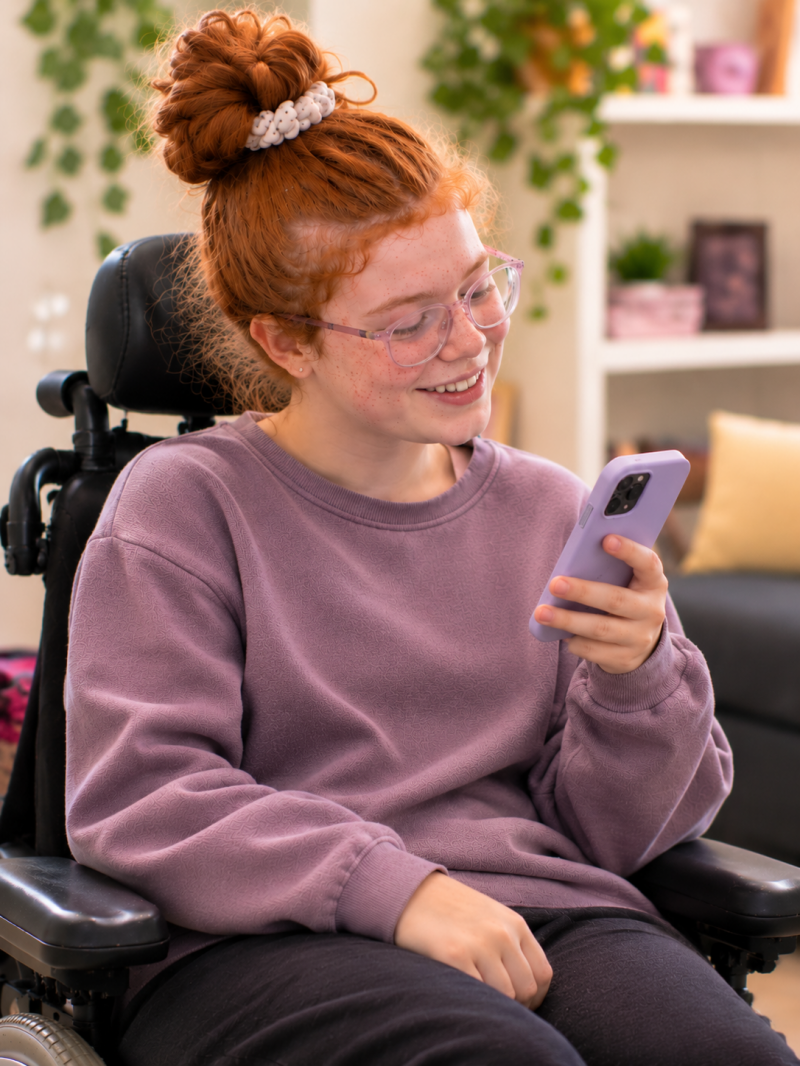
Real friendships bring real choices and sometimes choosing what you want means accepting that someone else may be disappointed.
Feeling Secure in Friendship Changes the Experience of Belonging
Not every developmental experience within friendship comes from conflict.
There is also enormous value in simply knowing that you belong.
During the middle of high school, I had a small group of really good friends.
We spent time together outside school, and for that period of my life I felt secure in those friendships.
They tried to make me feel included. I didn’t feel as though my disability made me fundamentally different from everyone else in the group.
That security mattered.
When children are constantly wondering whether other people actually want them around, a lot of energy can go into reading reactions, trying to fit in and worrying about whether they belong.
A secure friendship can provide somewhere a child doesn’t have to continually prove their place.
It can build confidence.
It can create trust.
And it can give children an experience of themselves that isn’t centred on how adults describe their needs or how support systems define them.
For a child with a disability, that can be particularly important.
They deserve relationships where disability can be understood and accommodated without becoming the most important thing about who they are.
Belonging feels different when a child doesn’t have to keep wondering whether their place is secure.

Social development also happens when children learn to navigate personalities they wouldn’t necessarily choose for themselves.
Friendship Can Help Children Discover Who They Are
Friendships are also part of identity development.
Children discover things about themselves through being around other people.
They learn what makes them laugh.
What they enjoy talking about.
Who they trust.
What makes them comfortable.
What they won’t tolerate.
What kind of friend they want to be.
For children with a disability, friendship can provide an important space outside relationships that are primarily organised around care, education, therapy or support.
Adults may know a great deal about a child’s needs.
Friends get opportunities to know different things.
Their humour.
Their interests.
Their opinions.
Their personality.
The things they get excited about.
The things they might not want adults knowing.
That doesn’t mean disability disappears within friendship. Friends may need to understand communication, accessibility or support needs.
But those things can exist alongside everything else that makes someone who they are.
Friendship gives children an opportunity to experience themselves not only as somebody receiving support or having their needs discussed, but as somebody another young person actually wants to know.
Children need relationships where they can discover who they are beyond the roles adults have created around them.
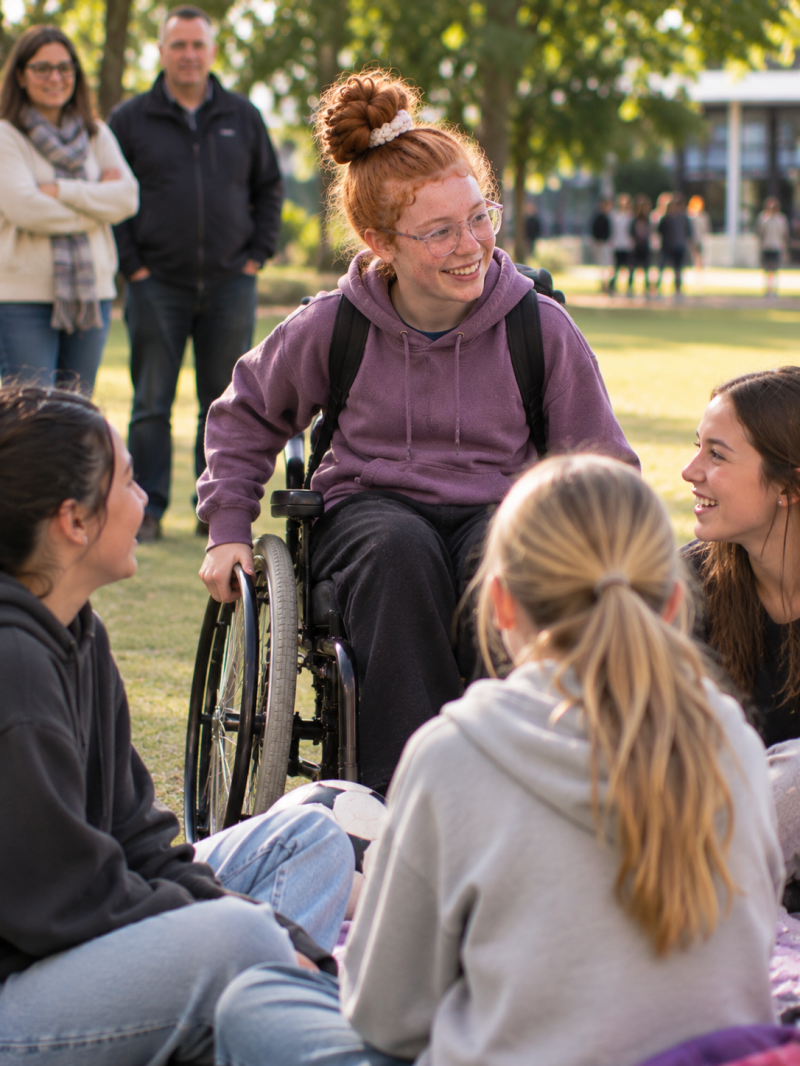
Social independence includes being allowed to try something for yourself even when the people who know you best aren’t sure it will work.
Caring About a Friend Doesn’t Mean Becoming Responsible for Them
Another friend from primary school wanted to attend my high school.
She had experienced bullying, and I was willing to show her around the school.
But I wasn’t taking responsibility for supporting her socially.
There is an important difference between the two.
Children can care about a friend.
They can help them.
They can show them around.
They can introduce them to people.
They can notice when someone is struggling.
But friendship should not automatically make one child responsible for another child’s social life.
Learning where that responsibility ends is part of relationship development too.
It allows children to care about other people without believing they have to solve everything for them.
For children with a disability, this can have another layer.
Sharing the experience of disability does not automatically mean two children will have the same needs, personalities or social worlds. Nor should one child with a disability automatically become responsible for helping another child with a disability belong.
They are still two individual children navigating their own relationships.
Friendship can include care without turning one child’s belonging into another child’s responsibility.
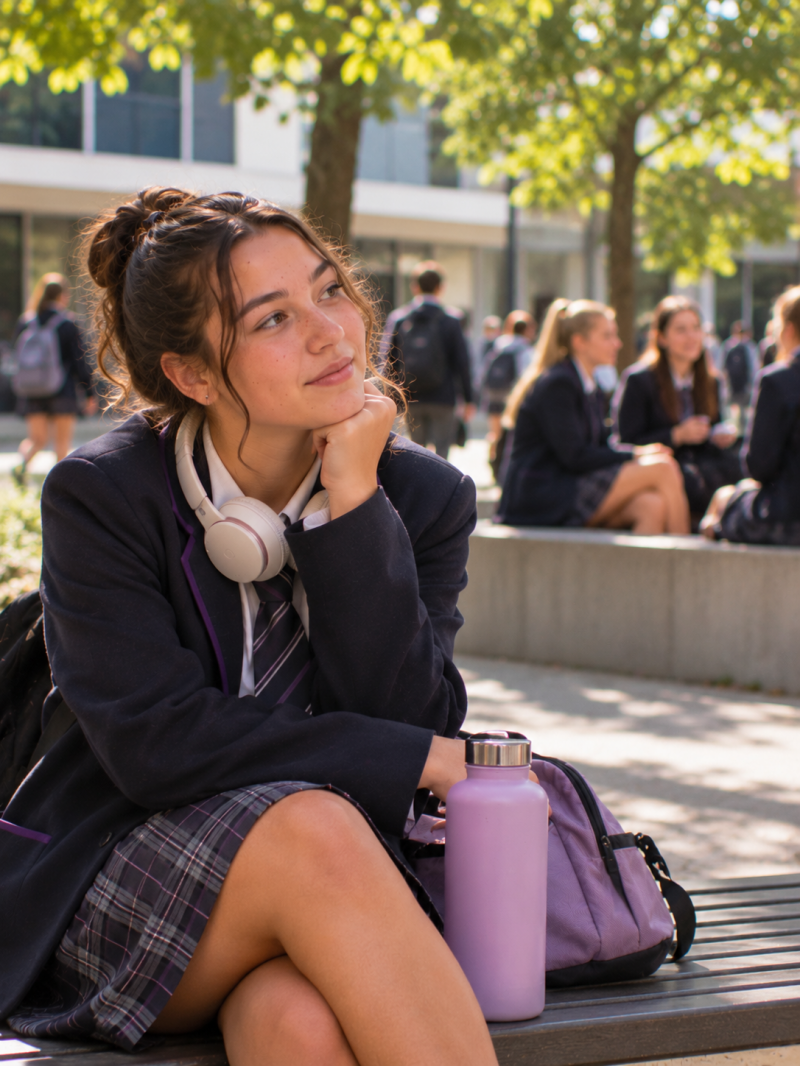
Arguments, disappointment, difficult choices and relationships that don’t work out can all be part of learning what friendship means. Children need support through these experiences, not always protection from them.
A Reflection for Parents, Educators and Support Providers
When thinking about friendship and a child with a disability, it is worth looking beyond whether they have someone to spend time with.
Ask what their friendships are allowing them to experience.
Are they getting opportunities to make social choices?
Can they disagree with friends and discover what happens next?
Are they experiencing the security of knowing they genuinely belong somewhere?
Can they navigate people adults might not necessarily have chosen for them?
Are they allowed to try social opportunities that might not work?
Can they decide when they have tried for long enough?
Do they have enough privacy and freedom to discover who they are within their relationships?
And when something becomes difficult, are adults supporting the child to navigate it—or immediately taking control?
Looking back, I don’t think the value of my friendships can be measured by how many friends I had or how long every friendship lasted.
Different people came into my life at different times.
Some friendships made me feel secure.
Some relationships were exhausting.
Some ended.
Some choices had consequences I didn’t want.
And sometimes I tried very hard to belong somewhere before eventually recognising that it wasn’t where I wanted to be.
All of those experiences contributed to what I eventually learned about friendship.
You don’t need a huge number of friends.
People can come into and out of your life at different times.
What matters is having opportunities to build relationships with people who accept you as you are—and enough freedom to learn for yourself what friendship means to you.
For children with a disability, friendship should never be treated as an optional extra once education, therapy and support have been organised.
Friendships are one of the places where children practise making decisions, develop confidence, learn boundaries, experience belonging and discover more about who they are.
They don’t only grow alongside their friends.
They grow through the experience of friendship.
Children with a disability deserve access not only to friendship, but to the growth that happens within it.
Add comment
Comments