Growing independence is not always about needing less support. Sometimes it is about having more responsibility, more choices and a greater voice in your own life.

Independence in high school is not only about what a young person can do alone.
Responsibility Doesn’t Arrive Overnight
High school asks young people to manage far more than primary school.
There are more teachers.
More subjects.
More homework.
More competing priorities.
Learning how to balance all of that takes time.
I remember struggling to prioritise my homework, especially after a busy week or a weekend spent with family and friends.
A full weekend often meant staying up late on Sunday night trying to finish everything before Monday morning.
Looking back, I wasn’t avoiding responsibility.
I was learning it.
Like many teenagers, I was still figuring out how to balance school with everything else that had become important.
Responsibility is rarely something young people suddenly have.
It develops through experience, mistakes and gradually learning to plan ahead.
Growing up is not about getting everything right. It is about learning from the times you didn’t.

A young person may still need practical support while making their own social choices.
Learning to Speak Up
High school also meant learning when to advocate for myself.
Recognising when I needed an accommodation was one thing.
Asking for it was another.
Like many students with a disability, I knew there would sometimes be people who questioned why I received something different.
That could be uncomfortable.
But I also learned that asking for support was not avoiding responsibility.
It was taking responsibility for making sure I could participate and learn.
Self-advocacy is often talked about as though it comes naturally.
For many young people, it doesn’t.
It develops one conversation at a time.
Sometimes independence sounds like asking for help.
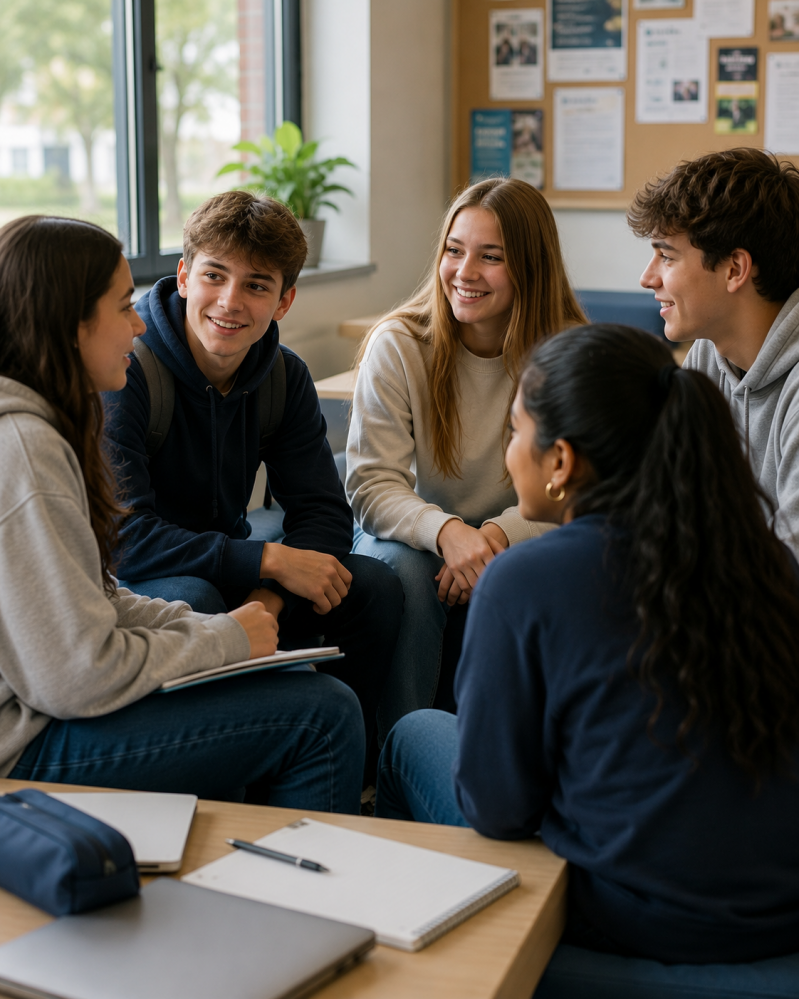
High school also brings difficult social decisions that young people gradually learn to navigate.
Growing Independence Also Means Growing Boundaries
As children become teenagers, they also begin expecting more privacy.
That should include students with a disability.
I remember sharing personal concerns with my teacher aide because I trusted her.
Later, I discovered some of those conversations had been passed on to teachers without me knowing.
She believed she was helping.
But it taught me something important.
Needing support did not mean giving up my right to have boundaries.
Eventually, I spoke to her about how uncomfortable that made me feel.
There will always be situations where adults need to share information.
But wherever possible, young people should understand what is being shared and why.
Growing independence also means growing ownership over your own story.
Support should help a young person find their voice, not speak for them.
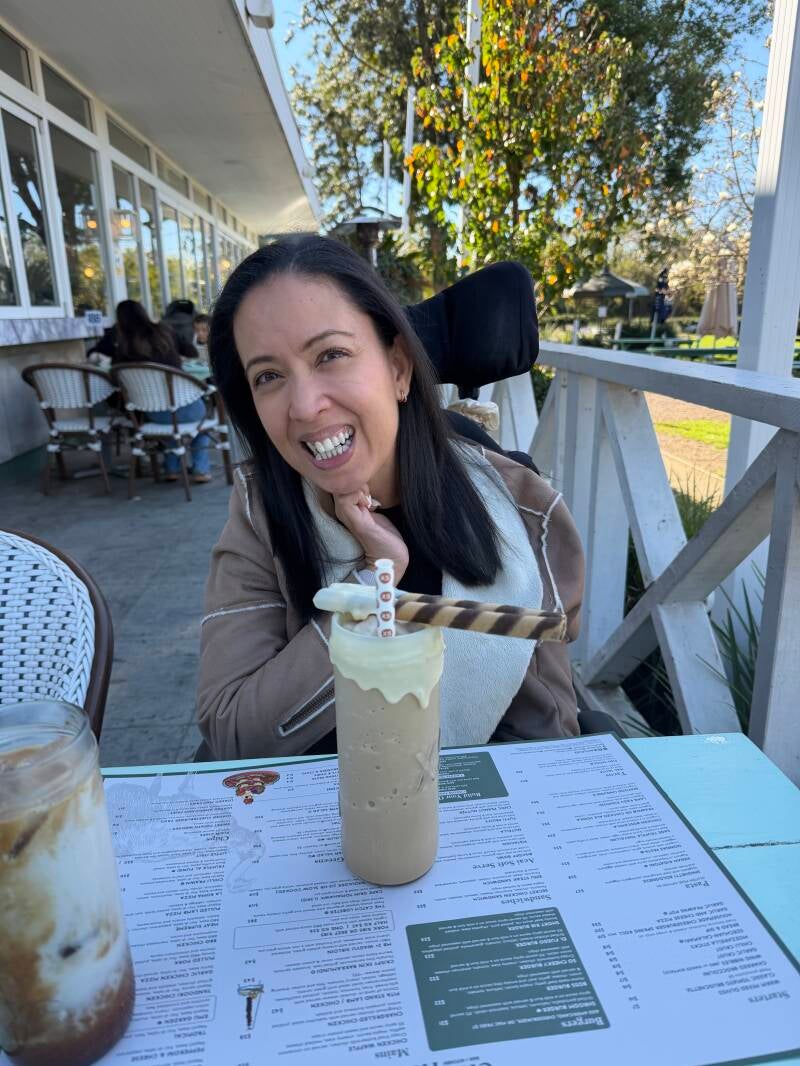
High school did not teach me to need no support. It taught me to take more responsibility, speak up for what I needed and have a greater voice in my own life.
Independence Is Broader Than Doing Things Alone
When people talk about independence in high school, they often think about practical skills.
Getting to class on time.
Managing homework.
Travelling independently.
Making decisions without relying on parents.
Those things certainly matter.
But independence is much broader than that.
It also develops through everyday experiences.
Learning how to manage responsibilities.
Making social decisions.
Recognising when support is needed.
Speaking up for yourself.
Setting boundaries.
And gradually taking greater ownership of your own life.
For students with a disability, these moments are often overlooked.
When support remains visible, people can assume independence is not developing.
In reality, it may simply be developing differently.
Independence is not measured only by what a young person can do alone. It is also measured by the responsibility they gradually learn to carry.
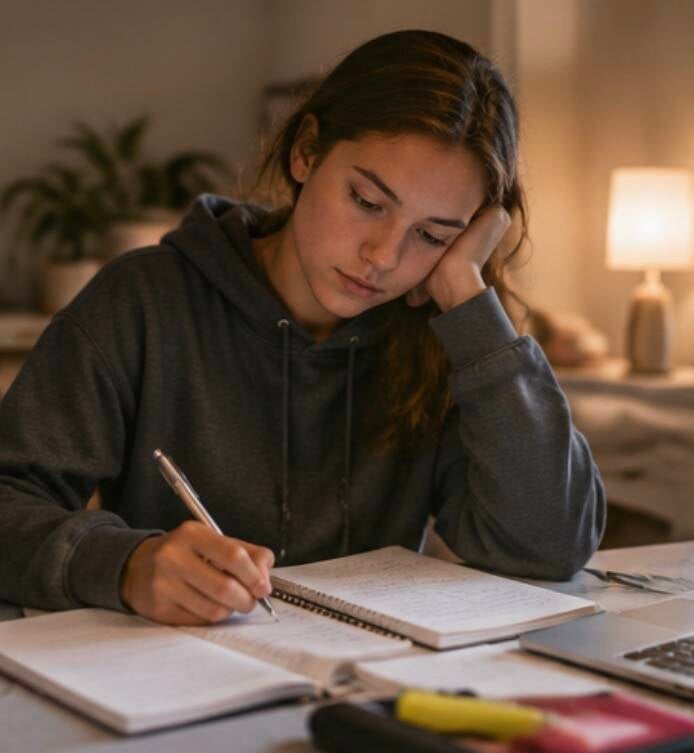
Managing homework, routines and competing priorities is part of learning responsibility.
Independence Can Look Different
One of the biggest surprises for me was how much my social independence grew during high school.
I started going shopping with friends.
Watching movies.
Spending time at friends’ houses.
My parents didn’t need to come with me every time.
I still had cerebral palsy.
I still needed support.
But my world became bigger.
Sometimes people assume that because a young person has a disability, they cannot experience the same independence as their peers.
Often, independence simply looks different.
A young person may still need physical support while making their own social decisions.
They may need assistance getting somewhere but still choose where they want to go and who they want to spend time with.
Those choices matter.
Support and independence are not opposites. They often grow alongside each other.
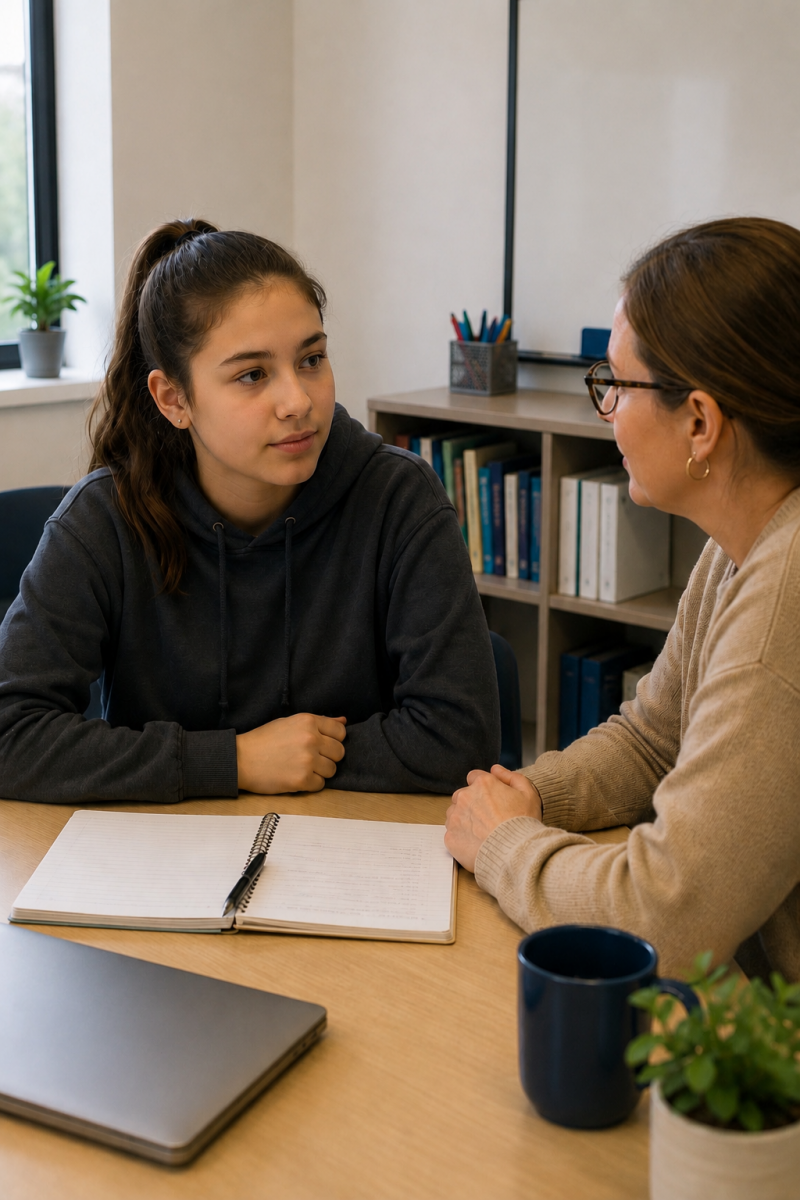
Asking for an accommodation can be an important act of independence.
Not Every Lesson Happens in the Classroom
High school also teaches lessons adults cannot teach for us.
Relationships become more complicated.
Friendship groups change.
People make decisions that can hurt others.
Sometimes there isn’t a clear right or wrong answer.
I remember realising I was the only person in my friendship group who hadn’t been invited to a party.
I chose to stay quiet.
Later, one of my closest friends asked me about it, and eventually everyone realised what had happened.
Looking back, that experience wasn’t simply about being left out.
It was about learning how to respond to disappointment, navigate awkward situations and decide when I wanted to speak.
Those are lessons every young person encounters in different ways.
Some of the biggest steps towards independence happen when there isn’t an adult there to tell us what to do.
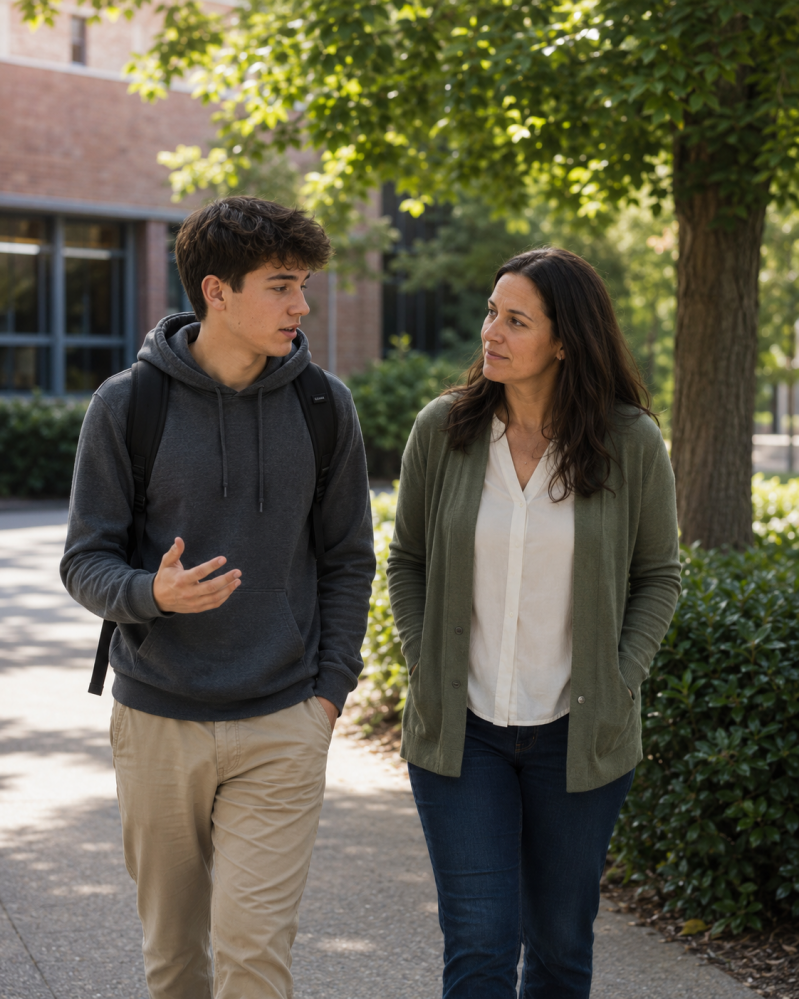
Needing support should not remove a young person’s right to privacy, choice and personal boundaries.
A Reflection for Parents and Educators
Independence does not suddenly appear when a child starts high school.
It develops slowly.
Sometimes through responsibility.
Sometimes through friendships.
Sometimes through difficult conversations.
Sometimes through mistakes.
And sometimes through learning to ask for help.
For students with a disability, this journey may not always look the same as it does for other young people.
But that does not make it any less real.
The goal should never be to remove support before a young person is ready.
The goal is to gradually give them more responsibility, more choices and a greater voice in the decisions that affect their life.
That may mean noticing where independence is already growing.
It may mean asking whether support is helping a young person take greater ownership or quietly making too many decisions for them.
And it may mean identifying one small area where they are ready for more choice, more privacy or more responsibility.
The companion resource, Support and Independence, has been created to help parents, educators and support staff reflect on these questions.
It offers a practical way to recognise where independence is already developing, where support still matters and where a young person may be ready to take a greater lead.
Because independence is not about needing nobody.
It is about becoming an active participant in your own life.
True independence is not measured by how little support a young person needs. It is measured by how much ownership they have over their own life.
Add comment
Comments