Awareness can help people understand disability. But every child deserves the opportunity to grow into the author of their own story.
Every Child Has a Story
Parents and educators tell stories every day.
Sometimes to celebrate progress.
Sometimes to explain disability.
Sometimes to raise awareness.
Sometimes to help another family feel less alone.
Stories can build understanding.
They can reduce stigma.
They can help people feel seen.
Those things matter.
But stories also do something else.
They shape how other people see a child.
Often before the child has the opportunity to introduce themselves.
That is why it is worth asking one simple question.
Whose story is being told?
Stories can build understanding. They can also shape identity.
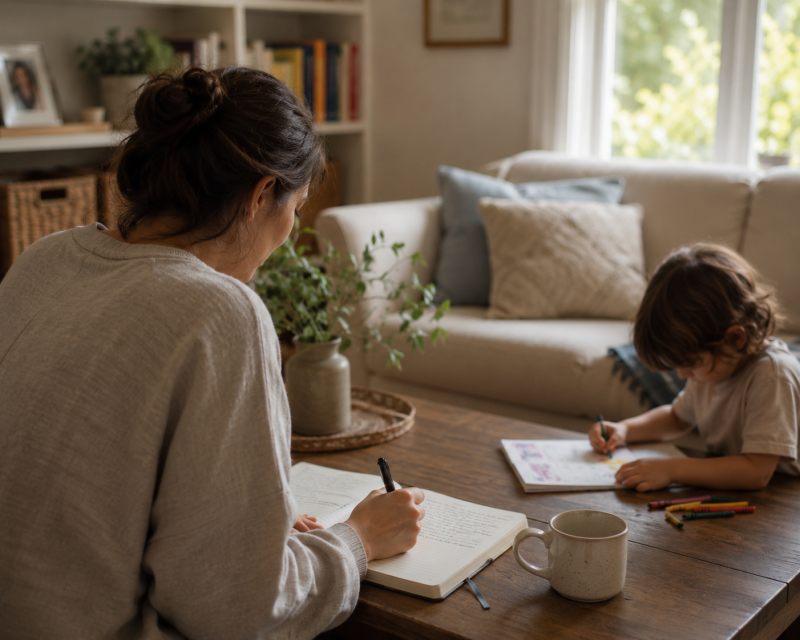
Parents and children can experience the same journey in different ways.
Both stories matter.
Children Grow Up
One day, children become teenagers.
Teenagers become adults.
As they grow, they develop their own opinions about what happened.
What felt difficult.
What felt embarrassing.
What they wish had remained private.
The story that made sense when they were six may not be the story they would tell at sixteen.
Or twenty-six.
Growing up also means developing ownership over your own experiences.
Children deserve the opportunity to grow into their own voice.

Awareness can educate.
Protecting dignity should remain part of the conversation.
Long Before Social Media
Long before children grew up on social media, some children were already growing up in the public eye.
I was one of them.
As a child, I appeared in newspapers and on television because of my disability.
The intention was positive.
People wanted to celebrate inclusion and possibility.
But I also remember something else.
The attention faded.
The stories stopped.
Life continued.
I was still the person those stories had been written about.
After reporters came to my house on my first day of high school, I chose not to accept any more media opportunities.
Not because I regretted those experiences.
But because I wanted the next chapter of my story to belong to me.
The spotlight may disappear. The child continues living the story.

Growing up also means having a greater voice in how your own story is told.
A Reflection for Parents and Educators
Most adults who share stories about children do so with love.
This is not about blame.
It is about pausing long enough to ask a few thoughtful questions.
Is this my story to tell?
What purpose does sharing it serve?
Could I raise awareness while protecting more of my child’s privacy?
How might they feel about this story when they are older?
We cannot know how children will view the stories shared about them in five, ten or twenty years’ time.
But we do know that they are growing into people with their own voices, perspectives and identities.
Perhaps the goal is not simply to tell children’s stories well.
Perhaps it is to leave enough space for them to tell their own.
If this conversation has prompted you to reflect, I’ve created a companion resource, Before You Share: A Digital Dignity Reflection, to help parents, educators and advocates think through these questions before sharing a child’s story online.
Rather than telling you what you should or shouldn’t post, it offers practical prompts to help balance awareness with dignity, privacy and a child’s growing ownership of their own story.
Because every child deserves not only to be heard, but also the opportunity to decide how they want to be known.
The greatest gift we can give children is not only a voice today, but the freedom to become the authors of their own stories.

Every child has a story.
Some parts belong to the adults who love them.
Some parts belong to the child.
There Is A Difference Between Two Stories
Parents have their own story.
The diagnosis.
The appointments.
The uncertainty.
The emotions.
The decisions they have had to make.
Those experiences belong to them.
Children have a story too.
How they experience school.
Friendships.
Support.
Privacy.
Belonging.
Sometimes those two stories overlap.
Sometimes they don’t.
Recognising the difference allows both stories to exist without one replacing the other.
Telling your own story is different from telling someone else’s.

Children grow into young people with their own memories, perspectives and voices.
Awareness And Exposure Are Not Always The Same
Many families share stories because they want to educate others.
That intention is often thoughtful and generous.
Awareness has changed communities.
Schools.
Attitudes.
Opportunities.
But awareness does not always require sharing every vulnerable moment.
Medical appointments.
Meltdowns.
Personal care.
Moments of distress.
Sometimes awareness is strongest when dignity remains at the centre.
Awareness should never come at the expense of dignity.

Public stories existed long before social media.
The questions about dignity and ownership have existed just as long.
Who Gets To Tell The Story?
For many years, I thought I would write a book.
I always believed I would tell my story one day.
Instead, I created Challenges Behind Acceptance.
That decision taught me something important.
There is a difference between having your story told…
…and choosing to tell it yourself.
My experiences are part of this work.
But they are not the purpose of it.
The purpose is helping people think differently about inclusion, belonging and the experiences that shape children long after everyone else has moved on.
There is power in choosing how, when and why your story is told.
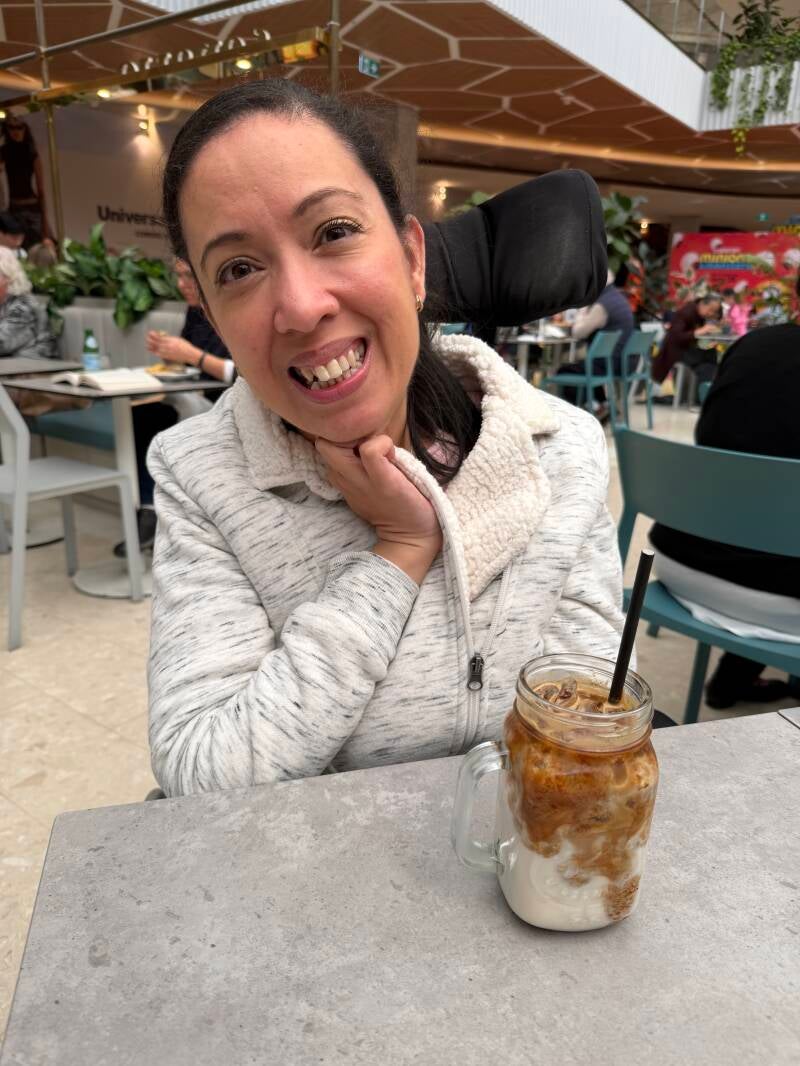
As a child, other people often told my story.
Today, I choose how I tell it.
That choice has become one of the most meaningful parts of my journey
Add comment
Comments