Friendship naturally includes helping one another. But helping should never become the reason a friendship exists.

Friendship begins with choice, not responsibility.
Support Has a Different Purpose
Support is different from friendship.
Support exists to make everyday life more accessible.
It helps someone participate.
Learn.
Communicate.
Move safely.
Complete everyday tasks.
Those responsibilities are important.
But they are also responsibilities.
That is why schools, families and funded services exist.
Children should not quietly become part of another child’s support plan simply because they are kind.
Children deserve dependable support. They also deserve the freedom to simply be friends.
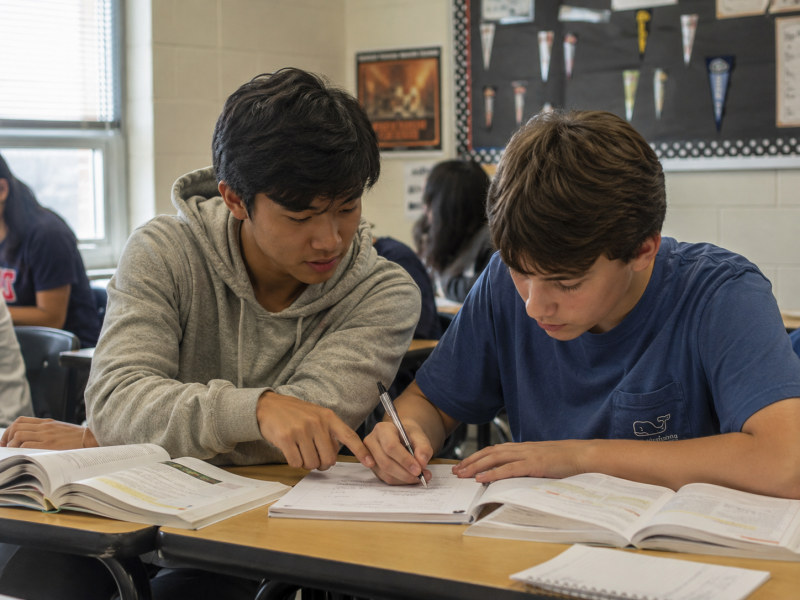
Helping becomes different when it quietly becomes an expectation.
Helping Can Still Be Part of Friendship
Helping someone is not the problem.
Growing up, my cousins naturally helped me.
If I needed a drink, someone would bring one.
If I needed help getting to another room, someone would simply give me a hand.
Nobody appointed them.
Nobody expected them to do it.
They were my cousins first.
The help happened because we cared about one another.
The relationship never depended on it.
That is very different from expecting a child to become responsible for another child’s ongoing support.
When relationships come first, support often follows naturally.

Reliable support allows friendship to remain a choice.
Why Boundaries Matter
As an adult, I made a personal decision.
My friends would never become my paid support workers.
I have developed meaningful relationships with support workers over the years.
Some have become people I genuinely care about.
But they entered my life as support workers.
Not as friends.
I also knew someone who chose a different approach.
She employed friends as support workers.
I understood why.
For many people with disabilities, catching up with friends can involve organising support, transport and accessibility before the social part can even begin.
Combining those roles can seem easier.
There were benefits.
But when friendships broke down, she wasn’t only losing a friend.
She was also losing a support worker.
Watching that reinforced my own decision.
Clear boundaries can protect both relationships.
Support workers and friends can both be important. They do not have to be the same people.

Sometimes protecting friendship means making sure support comes from the right place.
Closing Reflection for Parents and Educators
When we think about inclusion, it is easy to ask:
“Who can help this child?”
But perhaps there is another question worth asking:
“Whose responsibility is it to provide that help?”
Friendship naturally includes care.
Friends may wait for one another.
Offer help.
Listen.
Step in during an emergency.
But children should not quietly become responsible for meeting another child’s ongoing support needs.
Children with a disability deserve dependable support from the adults, schools and services responsible for providing it.
Their friends deserve the freedom to care without feeling that they must always be available.
When those roles are clear, both relationships are better protected.
Support can remain reliable.
Friendship can remain mutual.
And neither child has to carry more than the relationship was meant to hold.
To support this reflection, I have created a companion resource called Friendship or Support?
It is designed to help parents, educators and support providers recognise when friendship and responsibility may be becoming blurred.
The resource explores the difference between friendship and support, questions adults can ask when one child is becoming responsible for another, and practical ways to create enough support for genuine friendship to grow naturally.
Because the goal is not to find a friend who can become support.
It is to provide enough support that friendship is free to remain friendship.
The strongest friendships are built on choice, not responsibility.
Friendship Is Built on Choice
Friendships naturally involve helping.
Children wait for one another.
Carry each other’s bags.
Explain something that was missed.
Listen after a difficult day.
Celebrate successes.
Support each other through disappointments.
Helping is part of caring about another person.
But friendship works because both people are free to choose it.
When helping becomes expected rather than chosen, something important begins to change.
Friendship grows through choice. It cannot grow through obligation.

Support creates access. Friendship creates connection.
When The Roles Become Blurred
Sometimes the line between friendship and support becomes difficult to see.
A classmate may always be expected to help.
Always explain.
Always wait.
Always include.
Always be available.
The young person receiving support may begin worrying that they are asking too much.
The friend may begin feeling responsible for saying yes.
Neither child created those expectations.
But both children can feel the weight of them.
Healthy friendships leave room for both children to choose.
Friendships becomes difficult when responsibility quietly replaces choice.

Helping can be part of a relationship without becoming the relationship.
What I Learned At School
School introduced a different experience.
Sometimes another student was expected to support me through buddy systems or organised peer support.
Looking back, I often felt like a burden.
Not because my classmates were unkind.
But because the relationship began with responsibility instead of friendship.
It made me wonder whether people saw me first or simply saw the support I needed.
Children with disabilities deserve opportunities to build friendships in the same way every other child does.
Through shared interests.
Shared experiences.
And genuine choice.
Children should never have to wonder whether someone is there because they want to be or because they have been asked to be.

The best friendships leave room for both people to simply enjoy being together.
Protecting Friendship
Children deserve reliable support.
They also deserve friendships that are free to grow naturally.
One relationship should never have to carry the responsibilities of the other.
Support workers have a professional responsibility to provide support.
Friends have the freedom to care without becoming responsible.
When adults provide the right support, friendships have space to become exactly what they were always meant to be.
Relationships built on trust.
Shared experiences.
Mutual enjoyment.
And choice.
Support should make friendship easier. It should never become the reason friendship exists.
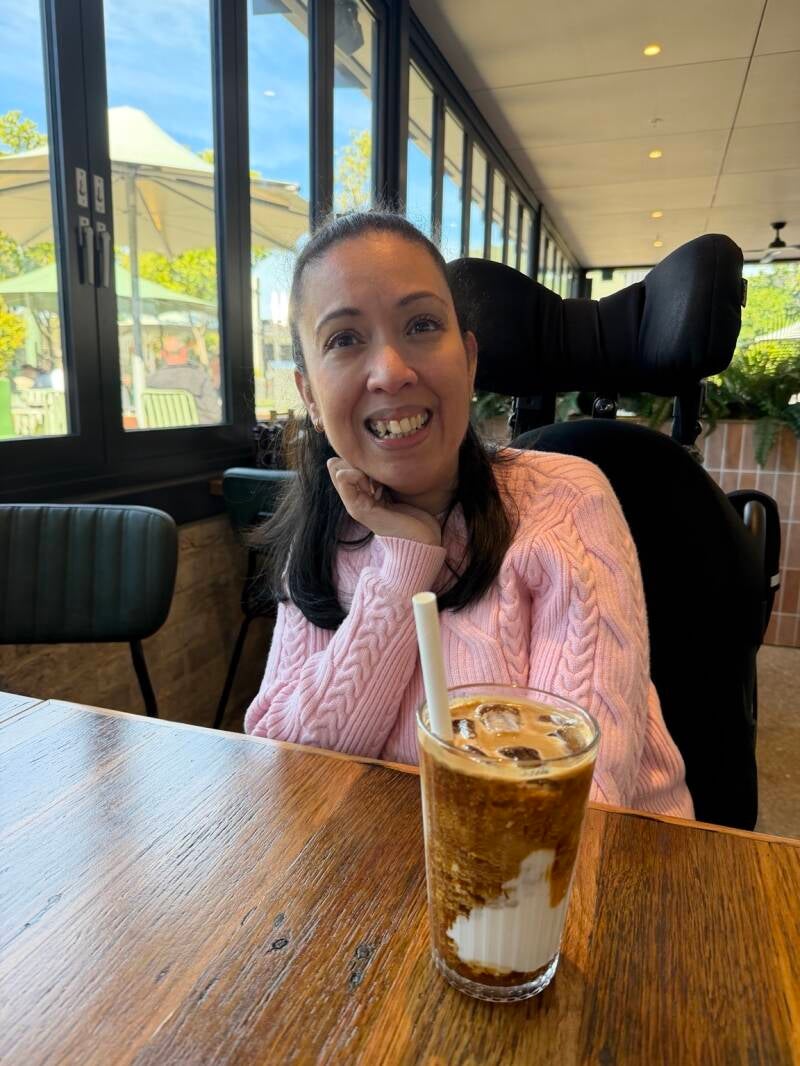
Support and friendship can coexist without becoming the same relationship.
Add comment
Comments