Children need adults who believe in their potential. But belief becomes pressure when there is no room for capacity, help, mistakes or changing needs.

The same expectation can carry a very different cost for each child.
When Comparison Becomes the Standard
Children naturally notice how they compare with other people.
Adults do too.
But comparison becomes difficult when another child’s strengths begin setting the expectation for what someone else should be able to achieve.
Two children can share the same diagnosis and still have completely different abilities.
Different learning styles.
Different strengths.
Different support needs.
Different capacity.
In primary school, I was regularly compared with another student who had a significant disability and was extremely intelligent.
I began to feel as though I should be able to reach the same intellectual level she did.
But her strengths were hers.
Mine were different.
When children are repeatedly measured against somebody else’s ability, they may stop recognising their own progress.
Instead of asking:
“What am I learning?”
they begin asking:
“Why can’t I do what they can?”
Comparison can turn another child’s success into a standard they were never meant to meet.
Another child’s capacity should never become the measure of your own.

Achievement can feel different when it comes with attention a child never asked for.
When Asking for Help Stops Feeling Safe
Children do not only learn from what adults say.
They learn from what repeatedly happens after they speak.
If a child asks for help and receives it, they learn that reaching out is worthwhile.
If they repeatedly ask and are told to wait, forgotten or made to feel inconvenient, they may learn something very different.
At primary school, I did not always feel safe asking for help.
I was often told to wait.
Sometimes I was forgotten about.
Looking back, I understand that the school was extremely underfunded.
But as a child, I was not thinking about staffing levels or resources.
I was learning what happened when I asked.
There were occasions when I had migraines and needed pain medication, but I did not receive it.
Experiences like that can shape how children respond later.
They may stop asking.
They may try to manage alone.
They may wait until something becomes unbearable.
Or adults may see a child who appears independent when what they are actually seeing is a child who has learned not to expect help to arrive.
When help repeatedly does not come, children can learn to stop asking for it.

Completion doesn’t show the effort it took to get there.
What Children Can Begin to Believe About Themselves
When unrealistic expectations happen repeatedly, the impact can move beyond the individual task.
Children may begin developing beliefs about themselves.
“I should be able to cope.”
“I shouldn’t need help.”
“Other people can do this, so I should be able to.”
“If I struggle, I am disappointing someone.”
“If I succeed, I need to keep succeeding.”
Those beliefs may never be spoken aloud.
Adults may simply see a hardworking child.
A quiet child.
A child who does not ask for much.
A child who keeps going.
But underneath that behaviour may be a growing fear that their best is only acceptable when it meets somebody else’s expectation.
This is why unrealistic expectations are not only about workload or achievement.
They can influence how children understand effort, failure, help and their own worth.
Children should never learn that their value depends on how much they can push through.
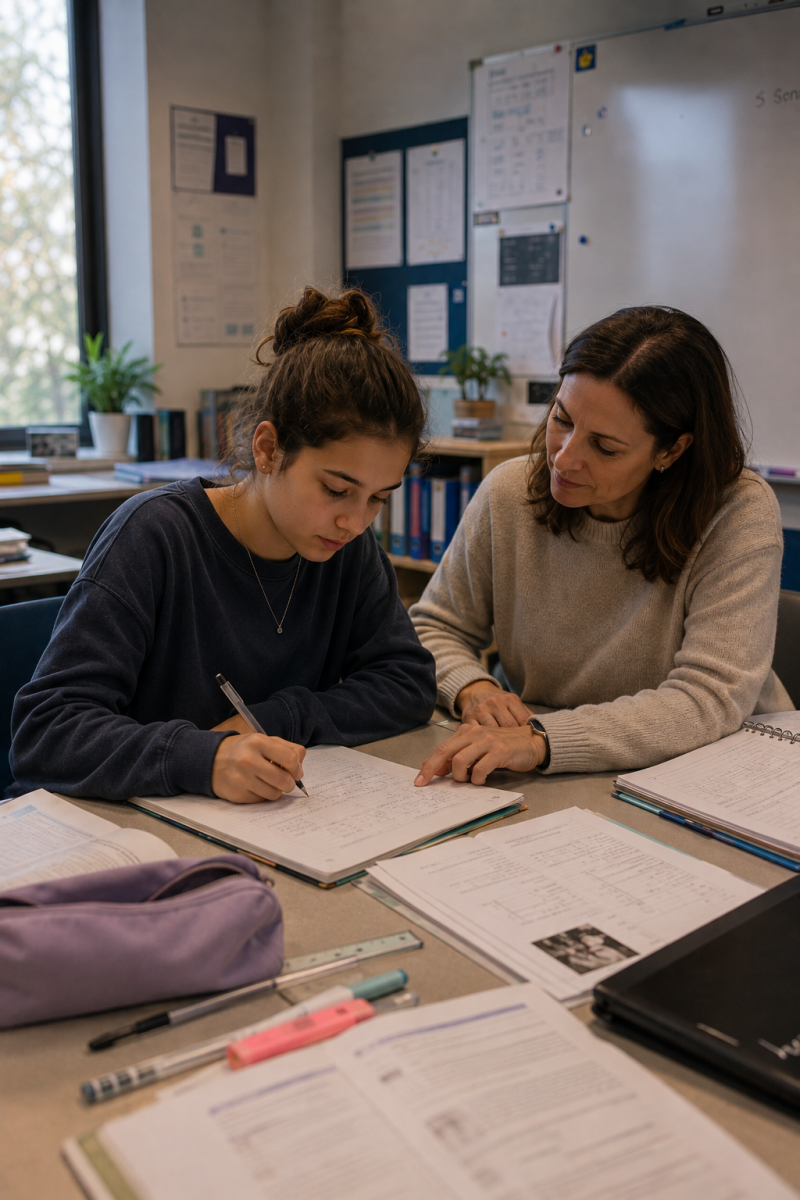
Believing in potential and respecting capacity can exist together.
A Reflection for Parents and Educators
When a child is struggling to meet an expectation, adults often ask:
“How can we help them get there?”
Sometimes another question needs to come first.
What is getting there asking of this child?
Are they learning?
Or mainly learning to push through?
Do they feel safe asking for help?
Is the challenge stretching them, or repeatedly overwhelming them?
Are we noticing the effort underneath the result?
Have we mistaken completion for capacity?
And are we leaving room for the child’s own understanding of what they can realistically manage?
Children need opportunities.
They need challenge.
They need adults who believe in what may be possible.
But those things should help children understand themselves more clearly, not teach them to distrust their own limits.
Because unrealistic expectations do not always leave an obvious mark.
Sometimes the impact appears quietly in the beliefs children carry forward:
That asking for help means they are not capable.
That rest has to be earned.
That success brings more pressure.
That somebody else’s abilities are the standard.
Or that their best should always be more.
If this is something you have been reflecting on, I have also created a companion resource called Expectation or Pressure?
It is designed to help parents, educators and support professionals pause before an expectation becomes a pattern.
The resource looks at the difference between healthy challenge and pressure, asks what meeting an expectation may actually be costing the child, and encourages adults to consider the message a child may be learning underneath the task itself.
Because the goal is not to remove challenge.
It is to make sure challenge still leaves room for support, mistakes, changing capacity, recovery and being human.
Children should be able to keep growing without feeling that they have to prove their worth.
When Expectations Become More Than a Goal
Children need opportunities to be challenged.
They need adults who believe they can learn.
Grow.
Try something difficult.
And discover abilities they may not yet recognise in themselves.
But there is a difference between an expectation that stretches a child and one that repeatedly asks them to give more than they realistically have.
For a child with a disability, capacity can be affected by many things.
Processing time.
Physical effort.
Pain.
Fatigue.
Communication.
The environment.
The support available.
When those things are overlooked, an expectation that appears reasonable from the outside can feel very different to the child carrying it.
Over time, children may begin learning more than the lesson adults intended.
They may learn that needing extra time means they are behind.
That asking for help is inconvenient.
That completing something matters more than what it cost.
Or that being successful means continuing to meet expectations, even when those expectations have become too much.
High expectations should create possibility. They should not teach children that their capacity is never enough.
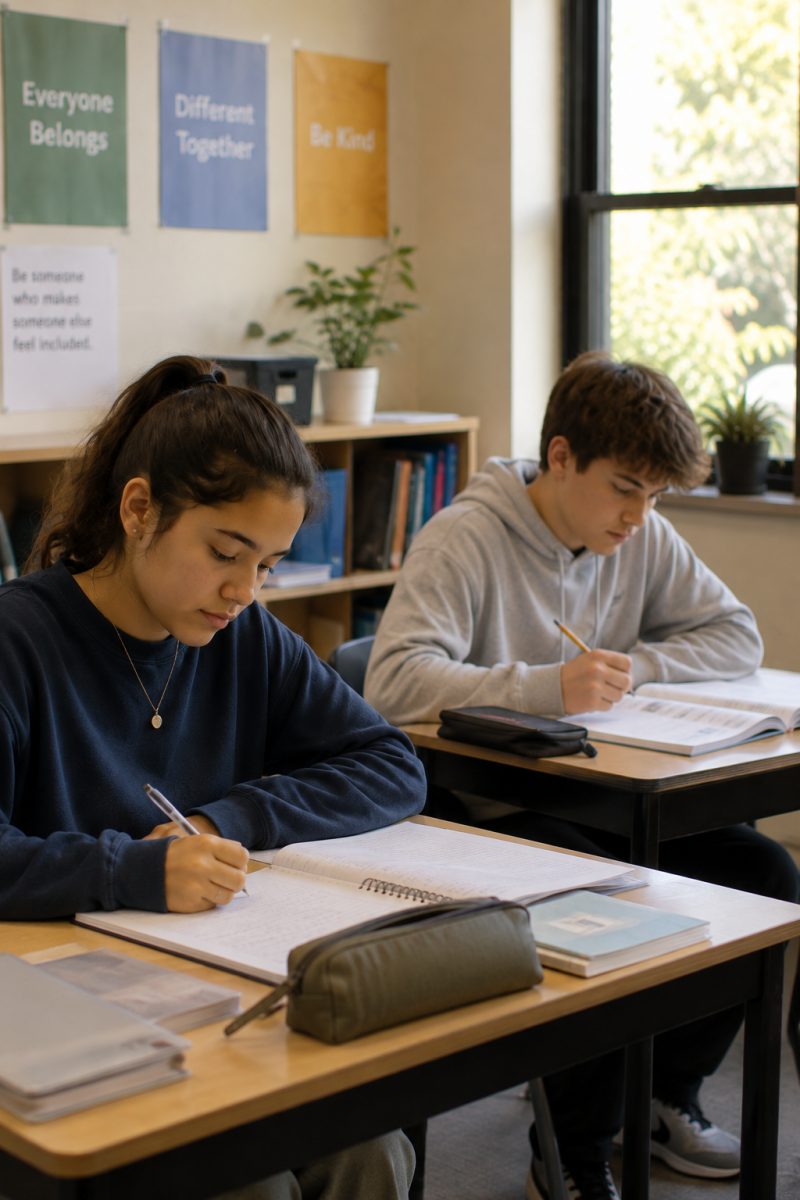
Two children can face the same task with very different strengths and capacity.
When Achievement Becomes an Identity
Pressure does not always come from being criticised.
Sometimes it comes from being praised.
A child may become known as:
The success story.
The inspiration.
The child who proved people wrong.
The one who exceeded expectations.
Those labels may sound positive.
But they can still become heavy.
In primary school, when I achieved things that people had not expected from me, there was often a lot of attention around it.
My achievements could become part of the school’s success story.
I understood that people were proud.
But I did not always enjoy being noticed so much.
By the time I reached high school, I had learned that I preferred to stay under the radar.
I still wanted to achieve.
I simply did not want every achievement to become something public.
Children with a disability should have room between being underestimated and being held up as exceptional.
They should be able to succeed quietly.
Make mistakes.
Have an ordinary good day.
And achieve something without feeling that they have suddenly become an example for everybody else.
Children should be allowed to achieve without becoming the achievement story.

Children notice what happens after they ask for help.
When Getting It Done Hides the Cost
Adults naturally notice whether a task has been completed.
The homework was submitted.
The assignment was finished.
The child attended.
The goal was reached.
From the outside, completion can look like evidence that the expectation was manageable.
But it does not show what happened behind it.
During high school, if I had a busy weekend with family or friends, I could end up staying up late on Sunday night completing homework.
I still got the work done.
That was what people saw.
What was less visible was the effort involved in making sure it happened.
The lost rest.
The pressure of knowing everything still had to be completed.
The amount of energy it took to meet the same visible outcome.
Children can become very skilled at producing the expected result while quietly absorbing the cost somewhere else.
Sometimes that cost appears in fatigue.
Irritability.
Anxiety.
Withdrawal.
A crash at home.
Or simply having nothing left for anything beyond the expectation itself.
Getting something done tells us that it was completed.
It does not necessarily tell us that it was sustainable.
Getting it done does not always mean the expectation was manageable.

Repeated expectations can quietly shape what children begin to believe about themselves.
High Expectations Still Matter
The answer is not to stop challenging children.
Children with a disability are often underestimated too.
Lower expectations can close doors before a child has even had the opportunity to try.
The goal is not low expectations.
It is realistic, responsive expectations.
Expectations that recognise potential without ignoring capacity.
That change when circumstances change.
That allow different ways of reaching a goal.
That make asking for help possible.
That recognise effort as well as outcome.
And that leave room for a child to say:
“This is too much today.”
without that becoming evidence that they are unwilling, incapable or giving up.
Children need adults who can hold two truths at once:
I believe you can grow.
and
You do not have to hurt yourself to prove it.
Believing in potential and respecting capacity can exist together.

I learned that meeting an expectation did not always mean it was easy or sustainable.Sometimes the effort underneath mattered just as much as the outcome.
Add comment
Comments